The second marker documented in my Pennsylvania Historical Marker series
Pennsylvania’s blue-and-gold historical markers commemorate presidents, inventors, battlefields, industries, and events that changed history. But every once in a while, you find one that tells a much sweeter story.
In downtown Latrobe, a Pennsylvania Historical Marker celebrates the creation of one of America’s best-known ice cream treats—the banana split. According to the marker, the first documented banana split was created here in 1904 by a young apprentice pharmacist named David Strickler.
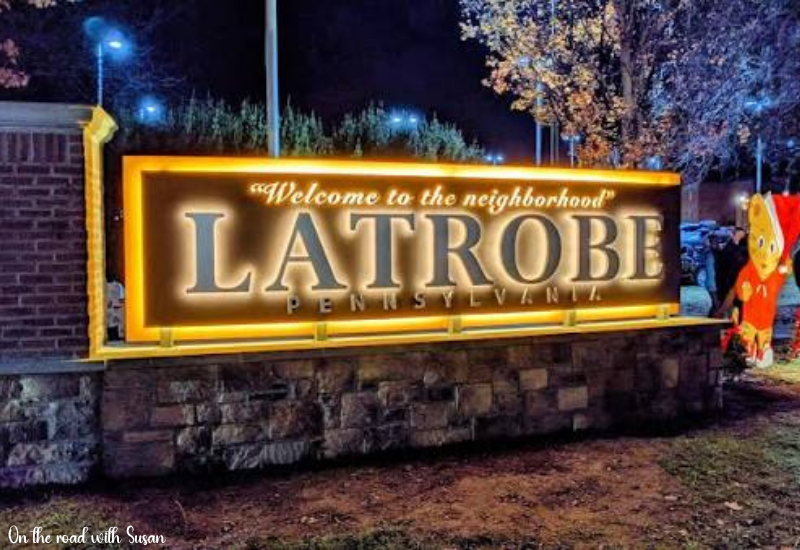
This is the second marker I am documenting in my Pennsylvania Historical Marker series. As I travel across the Commonwealth, I am tracking down these familiar signs, photographing them, and looking beyond their brief inscriptions to discover the fuller stories behind them.
What Does the Banana Split Marker Say?
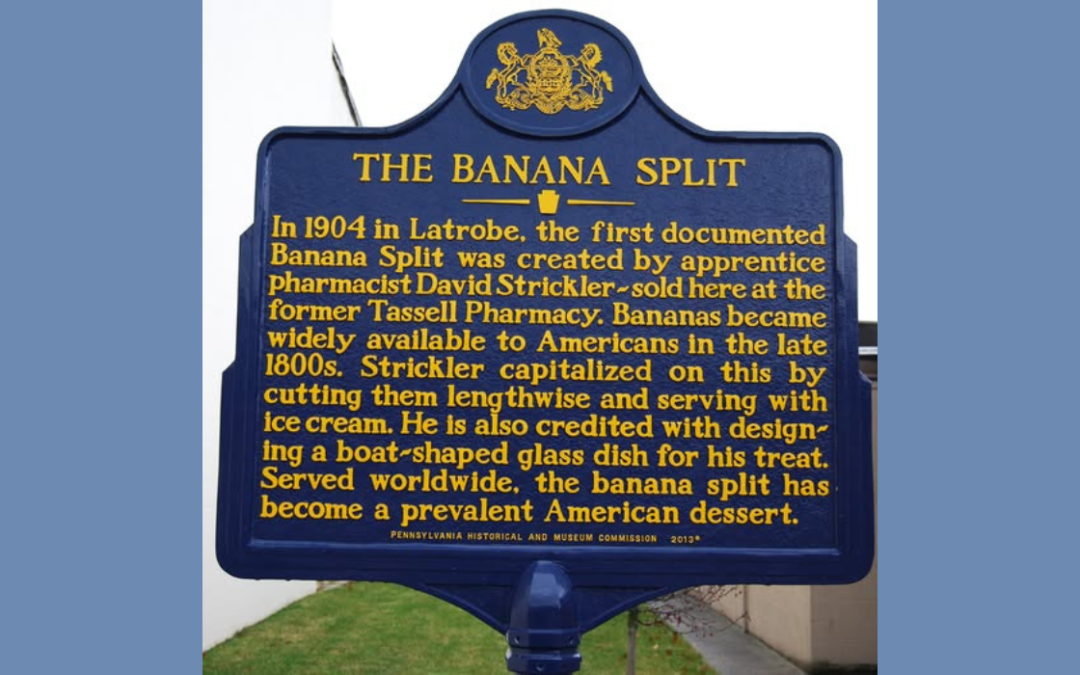
The Marker reads:
THE BANANA SPLIT
In 1904 in Latrobe, the first documented Banana Split was created by apprentice pharmacist David Strickler, sold here at the former Tassell Pharmacy. Bananas became widely available to Americans in the late 1800s. Strickler capitalized on this by cutting them lengthwise and serving with ice cream. He is also credited with designing a boat-shaped glass dish for his treat. Served worldwide, the banana split has become a prevalent American dessert.
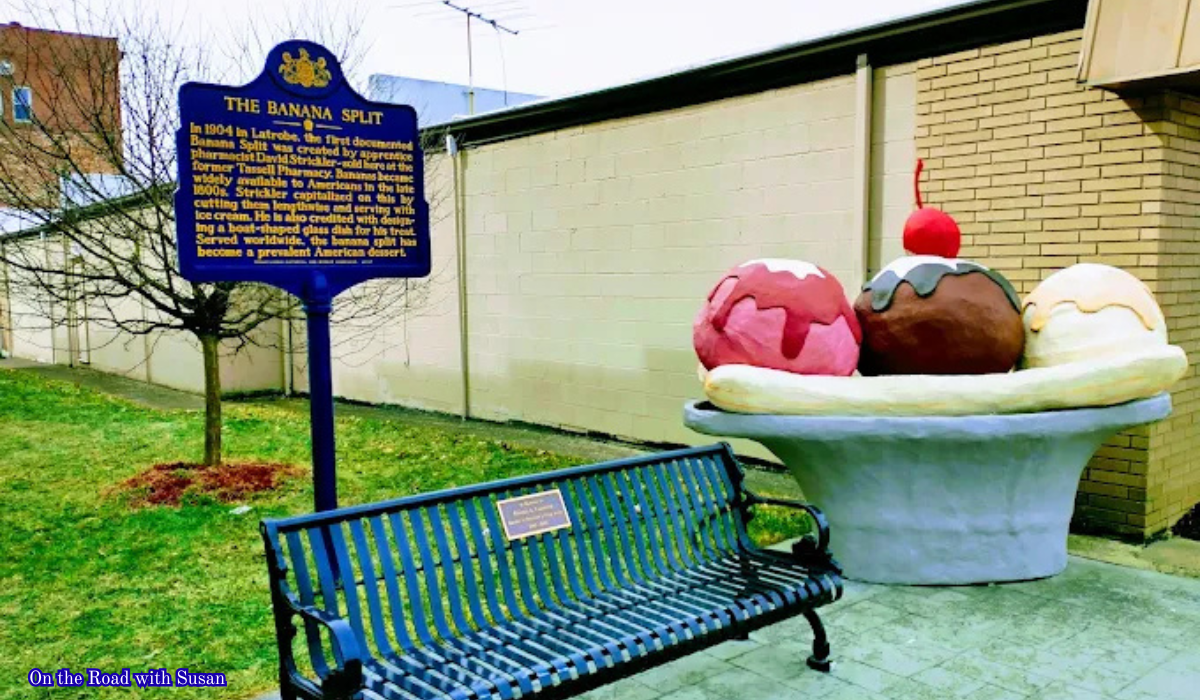
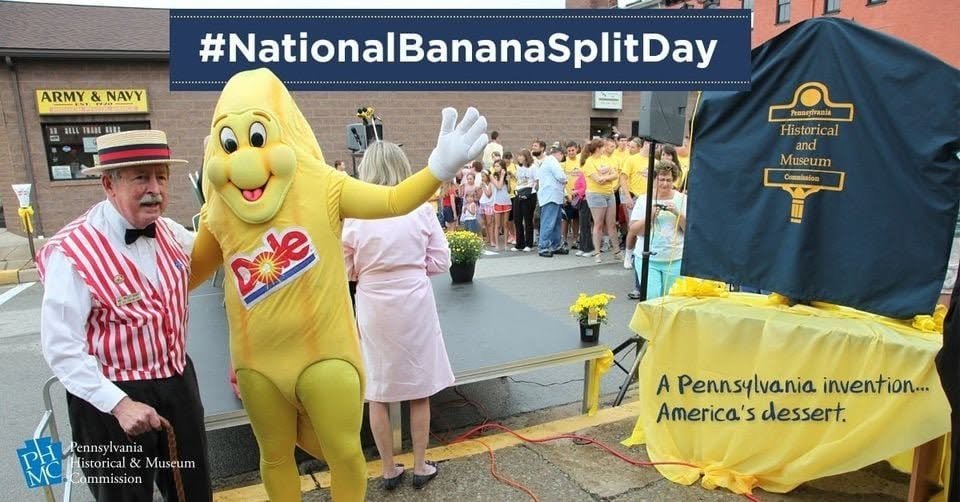
The marker stands at 805 Ligonier Street in downtown Latrobe, at the former location of Tassell Pharmacy. It was officially unveiled on August 23, 2013.
Today, visitors will also find an oversized banana split sculpture at the site, making this one of Pennsylvania’s most playful historical photo stops.
Who Was David Strickler?
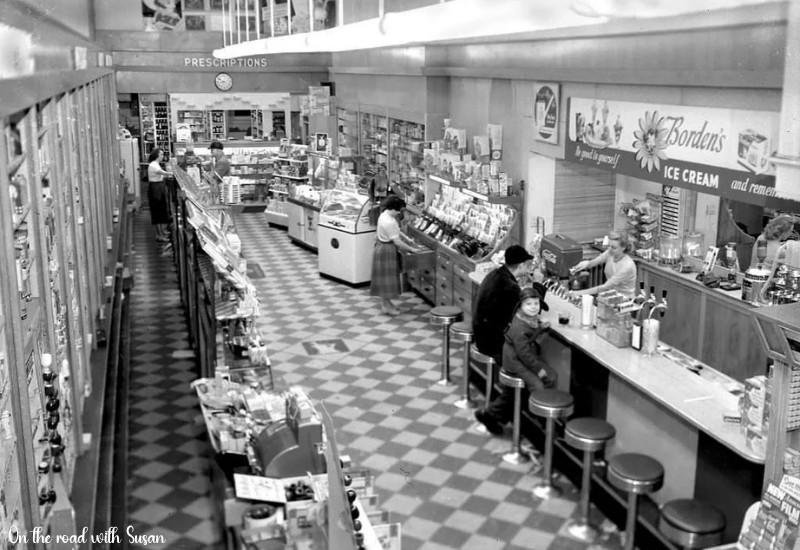
David Evans Strickler was a 23-year-old apprentice pharmacist when he created the dessert that would become Latrobe’s sweetest claim to fame. He was working at Tassell Pharmacy, where the soda fountain offered customers a place to enjoy drinks, ice cream, and conversation while prescriptions were being filled.
At the turn of the 20th century, drugstore soda fountains were becoming popular gathering places. Young people met there, families stopped for refreshments, and soda fountain workers competed to create new sundaes that would attract customers.
Strickler enjoyed experimenting with different ice cream combinations. In 1904, he split a banana lengthwise, placed ice cream between the two halves, and added toppings to create a larger and more impressive sundae.
His new dessert was especially popular with students from nearby Saint Vincent College. Although it cost more than the pharmacy’s ordinary sundaes, customers were willing to pay extra for the unusual treat.
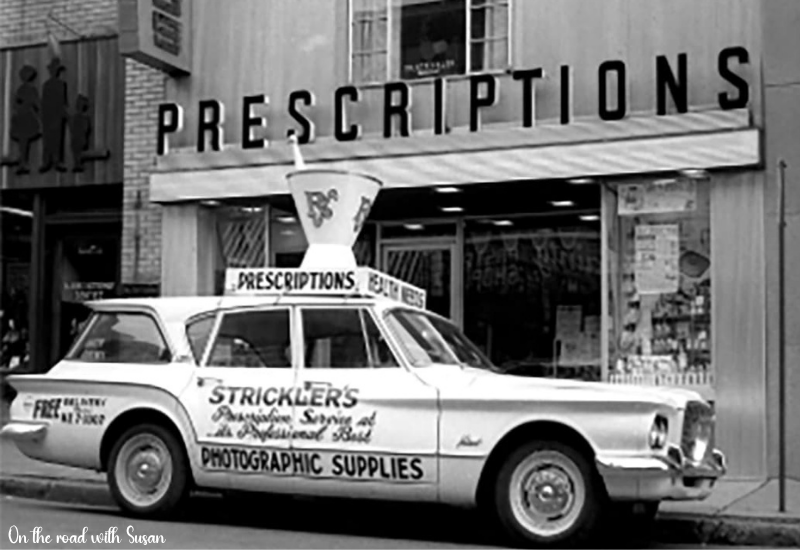
Strickler later purchased the pharmacy, and the location eventually became known as Strickler’s Pharmacy. Long after the original business disappeared, the dessert created there continued to spread across the country and around the world.
Why Bananas Were Something Special
Bananas may be an ordinary grocery-store item today, but that was not always the case. During the late 1800s, improvements in shipping and transportation made the tropical fruit increasingly available to American consumers.
That growing availability created opportunities for soda fountains, restaurants, and home cooks to develop new ways to serve them. Strickler took advantage of the fruit’s long shape by slicing it lengthwise and placing it around scoops of ice cream.
The presentation was part of what made his creation memorable. Strickler is also credited with designing the elongated, boat-shaped glass dish traditionally used to serve a banana split.
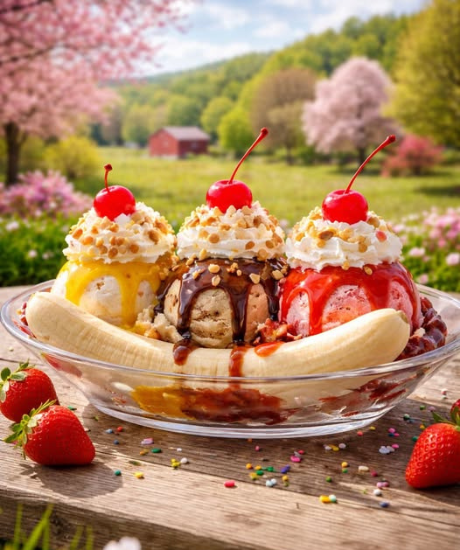
The familiar dessert eventually came to include three scoops of ice cream—usually vanilla, chocolate, and strawberry—placed between the banana halves and finished with sauces, whipped cream, nuts, and cherries. Recipes and toppings vary, but its unmistakable shape has remained part of the experience.
Was the Banana Split Really Invented in Latrobe?
Several American communities have made claims connected to the invention of the banana split. However, Latrobe’s story dates to 1904, and the Pennsylvania marker carefully describes Strickler’s creation as the first documented banana split.
In 2004, the National Ice Cream Retailers Association recognized Latrobe as the birthplace of the banana split during the dessert’s centennial celebration. The Pennsylvania Historical and Museum Commission approved the state marker in 2013, giving Latrobe’s story another level of official recognition.
The wording is important. Rather than suggesting that no one had ever combined bananas and ice cream before, the marker recognizes Strickler’s documented creation of the dessert that developed into the classic banana split known today.
Why Was the Historical Marker Placed Here?
The marker stands at 805 Ligonier Street because this was the location of Tassell Pharmacy, where Strickler created and sold his banana split in 1904.
The marker recognizes more than a favorite dessert. It tells a larger story about American innovation, entrepreneurship, changing food culture, and the important social role once played by neighborhood pharmacies and soda fountains.
From one young apprentice’s idea in a small Pennsylvania city, the banana split grew into a dessert served around the world. That statewide and national influence is why the story qualifies for recognition through Pennsylvania’s Historical Marker Program.
The Marker Dedication and a New Latrobe Tradition
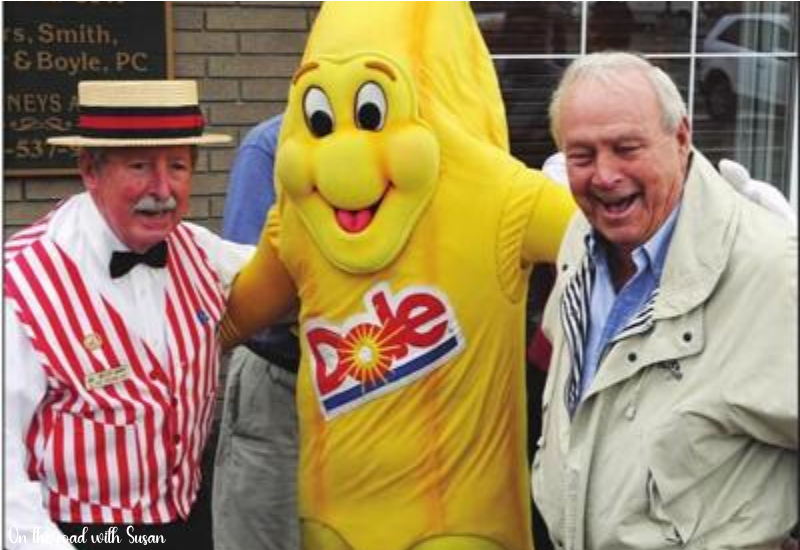
Latrobe unveiled the marker on August 23, 2013. The dedication became the kickoff for the community’s first Great American Banana Split Celebration. Latrobe native and legendary golfer Arnold Palmer participated in the festivities along with community leaders and other guests.
What began as a historical marker dedication developed into an annual celebration of Latrobe’s sweetest piece of history. The festival has included food, entertainment, activities, contests, and—of course—plenty of banana splits.
If you are planning a visit, check the current Great American Banana Split Celebration schedule. Seeing the marker during the festival would add an extra scoop of fun to the experience.
Help Take the Banana Split Across America
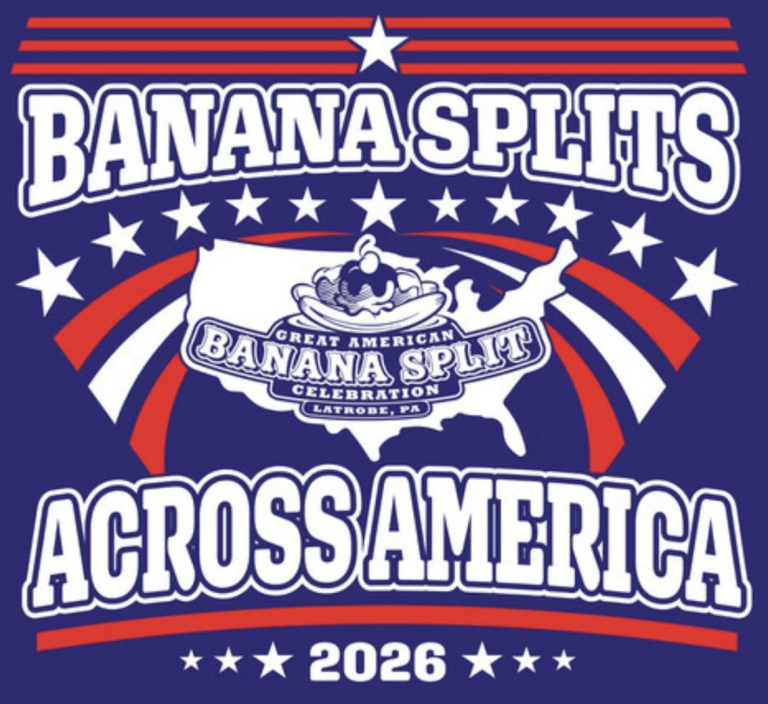
Latrobe’s famous dessert is going on a road trip of its own for America’s 250th birthday. The Banana Splits Across America campaign is working to take the Great American Banana Split to all 50 states—one photograph at a time.
Travelers, families, community groups, and banana-split fans can all become part of the campaign. Here is how to participate:
-
Make a donation of $5 or more to support the Great American Banana Split Celebration.
-
Receive an official banana-split cutout in the mail.
-
Take the cutout on an adventure and photograph it at a famous landmark, hometown welcome sign, scenic overlook, favorite attraction, or another memorable destination.
-
Email the photograph to info@bananasplitfest.com and include the city and state where it was taken.
-
Share the picture on social media and tag the Great American Banana Split Celebration to help others follow the journey.
Submitted photographs may be featured on the celebration’s website and social-media pages as organizers track the banana split’s progress across the country. Each submitted photo is also entered into random drawings for banana-themed merchandise and Great American Banana Split Celebration prizes.
This would be a fun way for my fellow travelers to combine history with their own adventures. Whether you take the cutout across Pennsylvania or carry it to another state, your photograph can help Latrobe’s hometown creation reach the campaign’s goal.
Visit the official Banana Splits Across America campaign page to make your donation, request a cutout, and review the current participation details.
More History to Explore in Latrobe
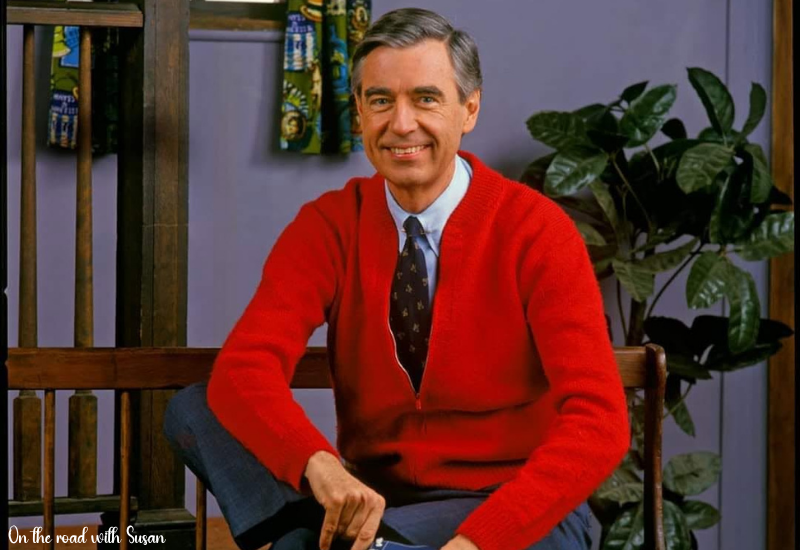
Latrobe has much more history than one famous dessert. It is also the hometown of television pioneer Fred Rogers and legendary golfer Arnold Palmer. The city’s industrial history includes Rolling Rock beer and Kennametal, while Saint Vincent Archabbey and Saint Vincent College add another important chapter to the surrounding area.
Nearby places that could be combined with your marker visit include:
-
The larger-than-life banana split sculpture
-
The Latrobe Art Center
-
James H. Rogers Park and the Fred Rogers statue
-
The Fred Rogers Center at Saint Vincent College
-
Arnold Palmer-related sites around Latrobe
-
Lincoln Highway attractions throughout the Laurel Highlands
Together, these stops could easily turn a quick marker visit into a full day of local history and exploration.
My Final Thoughts
The Banana Split marker is a wonderful reminder that history does not always have to be serious. Sometimes it can be colorful, surprising, and topped with whipped cream and a cherry.
Before finding this marker, it would have been easy to think of the banana split as simply a dessert that had always been around. But one blue-and-gold sign connects it to a specific person, year, and place: David Strickler, 1904, and a pharmacy on Ligonier Street in Latrobe.
That is exactly what I hope to uncover through this series. Each marker offers only a few lines, but those lines can open the door to stories about people, inventions, communities, and moments that helped shape Pennsylvania and the nation.
This is Pennsylvania Historical Marker #2 documented in my journey. From the Roeblings and the Brooklyn Bridge in Saxonburg to the creation of the banana split in Latrobe, I am already discovering just how varied Pennsylvania history can be.
Two markers down—and many more miles of Pennsylvania history still waiting to be explored.
Until Next Time!
Susan