

History, Structure, and How to Explore Them All
When I think about the heart of Pennsylvania, I don’t just picture its steel mills or bustling cities—I picture the sweeping forests, winding rivers, and hidden gems tucked inside the state’s parks. With 124 state parks covering more than 300,000 acres, Pennsylvania has something for everyone. These parks are free to enter, making them perfect for family adventures, solo getaways, or day trips for anyone looking to reconnect with nature.
This blog is the starting point for exploring Pennsylvania’s parks. Here, I’m breaking down how the park system began, why there are different types of parks and forests, and how everything fits together. Think of this as Pennsylvania State Parks 101—the foundation that will help you better understand and enjoy every park you visit.

The Difference between the three types of parks:
State Parks - State Forests and National Forest
With so many protected outdoor spaces across Pennsylvania, it’s easy to wonder what the difference is between a state park, a state forest, and a national forest. While all three protect land and provide outdoor recreation, each serves a slightly different purpose.

Pennsylvania State Parks
Pennsylvania’s 124 state parks are designed primarily for public recreation and enjoyment while also preserving natural and historic resources.
State parks typically offer:
-
Maintained hiking and biking trails
-
Picnic areas and playgrounds
-
Campgrounds and cabins
-
Lakes for swimming, boating, and fishing
-
Educational programs and historic sites
State parks are managed by the Pennsylvania Department of Conservation and Natural Resources (DCNR) and are generally more developed, making them ideal for families, casual outdoor enthusiasts, and first-time visitors.
If you’re looking for an easy day trip, a campground with amenities, or a place to relax by the water, state parks are usually the best place to start.

Pennsylvania State Forest
Pennsylvania has 8 state forests, covering millions of acres, and they serve a different role than state parks. State forests focus on resource management and conservation alongside recreation.
State forests typically offer:
-
Vast, undeveloped natural landscapes
-
Backcountry hiking and backpacking
-
Primitive camping and dispersed campsites
-
Hunting, fishing, and wildlife habitat
-
Forestry management and sustainable timber use
Facilities in state forests are limited compared to state parks. These lands are perfect for those who prefer a more remote, rugged outdoor experience and want to explore Pennsylvania’s wilder side.

Allegheny National Forest
Pennsylvania is home to just one national forest, the Allegheny National Forest, making it especially significant within the Commonwealth. Nationwide, there are 154 national forests managed by the United States Forest Service, covering more than 193 million acres across the United States. These lands are protected at the federal level and managed for a balance of recreation, conservation, wildlife habitat, and sustainable resource use. Allegheny National Forest is Pennsylvania’s connection to this vast national system, offering visitors a chance to experience federally protected forestland without leaving the state.
The national forest provides:
-
Extensive trail systems
-
Scenic byways and overlooks
-
Campgrounds and dispersed camping
-
Hunting, fishing, and wildlife viewing
-
Timber and land management at a federal level
While it shares similarities with Pennsylvania’s state forests, the Allegheny National Forest is governed by federal regulations rather than state ones.

The Pennsylvania Wilds: A Region Worth Exploring
Much of Allegheny National Forest lies within a region known as the Pennsylvania Wilds—a vast, scenic area in north-central Pennsylvania celebrated for its dark skies, wildlife, public lands, and small-town charm. The PA Wilds region is home to some of the most remote and breathtaking landscapes in the state, including state parks, state forests, and outdoor recreation areas that feel worlds away from everyday life.

This region is especially known for stargazing, elk viewing, scenic drives, hiking, and quiet outdoor experiences that highlight Pennsylvania’s wilder side. Because of its size and significance, the Pennsylvania Wilds deserves special attention—and we dive much deeper into this region, including Allegheny National Forest, in a dedicated blog focused entirely on what makes it so unique.

Pennsylvania's First State Park
Pennsylvania’s state park system began with a strong focus on historic preservation. The Commonwealth’s first state park was Valley Forge, purchased on May 30, 1893, to protect the site of the Continental Army’s winter encampment during the American Revolutionary War.

Valley Forge remained a Pennsylvania state park for more than 80 years. On July 4, 1976, during the United States Bicentennial, it was transferred to the National Park Service, where it is now preserved as Valley Forge National Historical Park. Although no longer part of the state system, Valley Forge laid the groundwork for Pennsylvania’s vision of protecting significant places for future generations.

Preserving History Through State Parks
Historic preservation has remained a core mission of Pennsylvania’s state parks. As of 2012:
-
42 Pennsylvania state park sites were listed on the National Register of Historic Places
-
Two National Historic Landmarks are located within state parks:
-
Delaware Canal State Park
-
Point State Park
-
-
28 Civilian Conservation Corps (CCC) sites are preserved across 19 state parks
-
12 additional parks contain historic sites or designated historic districts
-
Eight former state parks were established primarily for historic purposes
Many visitors don’t realize they’re walking through preserved industrial sites, canal systems, transportation corridors, or early conservation projects when visiting a state park—making these places as educational as they are scenic.

Conservation and the Birth of Pennsylvania’s Forest Parks
While history sparked the beginning of the park system, conservation soon became equally important. In 1901, Pennsylvania established the Bureau of Forestry to address the widespread destruction caused by heavy logging, charcoal production, and uncontrolled wildfires.
Just one year later, in 1902, Mont Alto State Forest Park became Pennsylvania’s second park. This marked a shift toward restoring forests and protecting natural landscapes while still allowing public use. Early parks were often simple—sometimes little more than picnic areas or campsites—but they represented a growing awareness of conservation’s importance.

The CCC Era and a Turning Point
The 1930s marked a turning point for Pennsylvania state parks. Under Governor Gifford Pinchot, working in cooperation with President Franklin D. Roosevelt, the park system expanded dramatically.
Pennsylvania hosted 113 Civilian Conservation Corps (CCC) camps, second only to California. With help from the CCC and the Works Progress Administration (WPA), workers:
-
Built roads, trails, and park buildings
-
Created picnic areas, swimming areas, and campgrounds
-
Planted millions of trees
-
Fought forest fires and restored damaged lands
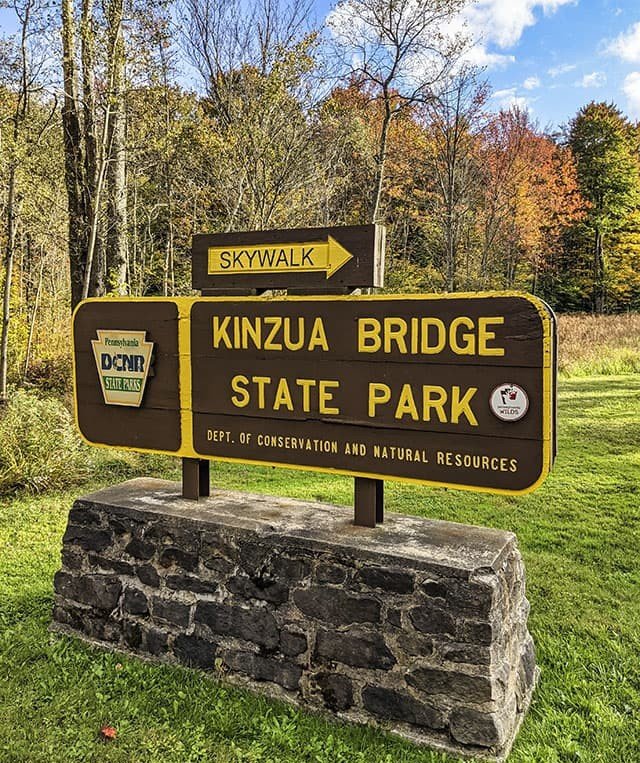
Five former National Park Service Recreation Demonstration Areas were transferred to Pennsylvania and became state parks in 1945–1946:
-
Blue Knob
-
French Creek
-
Hickory Run
-
Laurel Hill
-
Raccoon Creek
Many of the stone lodges, cabins, bridges, and park facilities visitors enjoy today were built during this era.

Growth After World War II
By 1956, Pennsylvania had 44 state parks, most located in rural areas. Over the next two decades, the system expanded rapidly—especially near growing urban centers.
By 1979:
-
45 additional parks had been added
-
The system grew by 130,000 acres
-
Park visitation more than tripled
Much of this expansion is credited to Maurice K. Goddard, who served as director of the agencies that eventually became today’s Department of Conservation and Natural Resources (DCNR). Goddard served under six governors and helped shape the modern park system.
Two voter-approved bond initiatives—Project 70 and Project 500—provided millions of dollars for land acquisition, park development, and improvements.

Challenges and Renewal
Rapid growth came with challenges. By 1988, Pennsylvania’s state parks faced an estimated $90 million in deferred maintenance. As the system celebrated its 100th anniversary in 1993, new tax revenues and bond funding were dedicated to addressing these needs.
Since 2000, ongoing improvements have been supported by the Growing Greener and Growing Greener II initiatives, which continue to fund conservation, recreation, and park upgrades.

The State Park System Today
Today, Pennsylvania has state parks in 62 of its 67 counties, nearly achieving the state’s long-standing goal of having a park within 25 miles of every resident.
Not all parks use the term “State Park” in their name:
-
Conservation Areas (3):
-
Boyd Big Tree Preserve
-
Joseph E. Ibberson
-
Varden
-
-
Environmental Education Centers (4):
-
Jacobsburg
-
Jennings
-
Kings Gap (also a training center)
-
Nolde Forest
-
-
Other designations:
-
White Clay Creek Preserve
-
Norristown Farm Park
-
Big Spring State Forest Picnic Area
-

Undeveloped State Parks
Seven Pennsylvania state parks remain undeveloped, with no facilities—preserved entirely in their natural state:
-
Allegheny Islands
-
Benjamin Rush
-
Bucktail
-
Erie Bluffs
-
Prompton
-
Swatara
-
Varden
These parks reflect Pennsylvania’s ongoing commitment to protecting wild spaces alongside recreation and access.

Supporting Pennsylvania’s Parks
The Pennsylvania Parks & Forests Foundation
Protecting and enhancing Pennsylvania’s parks doesn’t happen by chance. One of the key organizations helping to support these treasured public lands is the Pennsylvania Parks and Forests Foundation (PPFF).
The Pennsylvania Parks & Forests Foundation is the official nonprofit partner of Pennsylvania’s state parks and state forests. While the Department of Conservation and Natural Resources (DCNR) manages day-to-day operations, PPFF works behind the scenes to provide critical funding, advocacy, and volunteer support that helps parks thrive.

What the Pennsylvania Parks & Forests Foundation Does
PPFF focuses on strengthening Pennsylvania’s public lands in ways that directly benefit visitors and local communities. Their work includes:
-
Raising funds for park and forest improvements that fall outside state budgets
-
Supporting educational programs that teach visitors about conservation, history, and outdoor recreation
-
Advocating for sustainable funding for Pennsylvania’s parks and forests at the state level
-
Helping Friends Groups—local volunteer organizations that support individual parks and forests
-
Promoting accessibility and inclusion, ensuring parks remain welcoming for everyone
From trail restoration projects to educational signage and community events, PPFF plays a vital role in keeping Pennsylvania’s parks healthy and enjoyable.

How You Can Get Involved
One of the best things about PPFF is that anyone can help, no matter where they live or how often they visit a park.
Here are a few ways to get involved:
-
Become a member – Memberships help fund park programs and show support for Pennsylvania’s public lands.
-
Volunteer locally – Join a Friends Group at your favorite park to help with cleanups, events, and projects.
-
Donate – Contributions directly support conservation, education, and park improvements statewide.
-
Attend events – PPFF hosts hikes, workshops, and special events that connect people with parks and forests.
-
Advocate – Learn about park funding issues and help speak up for long-term protection of these spaces.
Supporting the Pennsylvania Parks & Forests Foundation is a meaningful way to give back to the places that give us so much—whether it’s a favorite hiking trail, a quiet picnic spot, or a park filled with family memories.

Why Their Work Matters
Pennsylvania’s state parks and forests belong to all of us. Organizations like PPFF ensure that these lands remain protected, accessible, and well cared for—not just for today’s visitors, but for generations to come.
By getting involved, you’re helping preserve Pennsylvania’s natural beauty, history, and outdoor traditions—one park, one forest, and one community at a time.
For more information and take action today contact them at: Pennsylvania Parks & Forests Foundation

My Final Thoughts
Pennsylvania’s state parks are far more than just places to hike or picnic—they are living reminders of the Commonwealth’s commitment to preserving history, protecting natural landscapes, and providing outdoor access for everyone. From the early preservation of Valley Forge to today’s system of 124 state parks, eight state forests, and one national forest, these public lands tell an important story about who we are and what we value.
This overview was meant to clear up the confusion and provide a big-picture understanding of how Pennsylvania’s parks and forests fit together. Knowing the history and differences between them makes it easier—and more rewarding—to explore what’s right in our own backyard.
In the next blogs, I’ll be breaking Pennsylvania’s state parks into regional guides, highlighting what makes each part of the state unique and helping you decide where to start. Whether you’re planning short day trips or longer adventures, exploring the parks one region at a time makes the journey feel more manageable and more meaningful.
🌲 Pennsylvania’s parks are waiting—one trail, one view, and one adventure at a time.
See ya on the road