
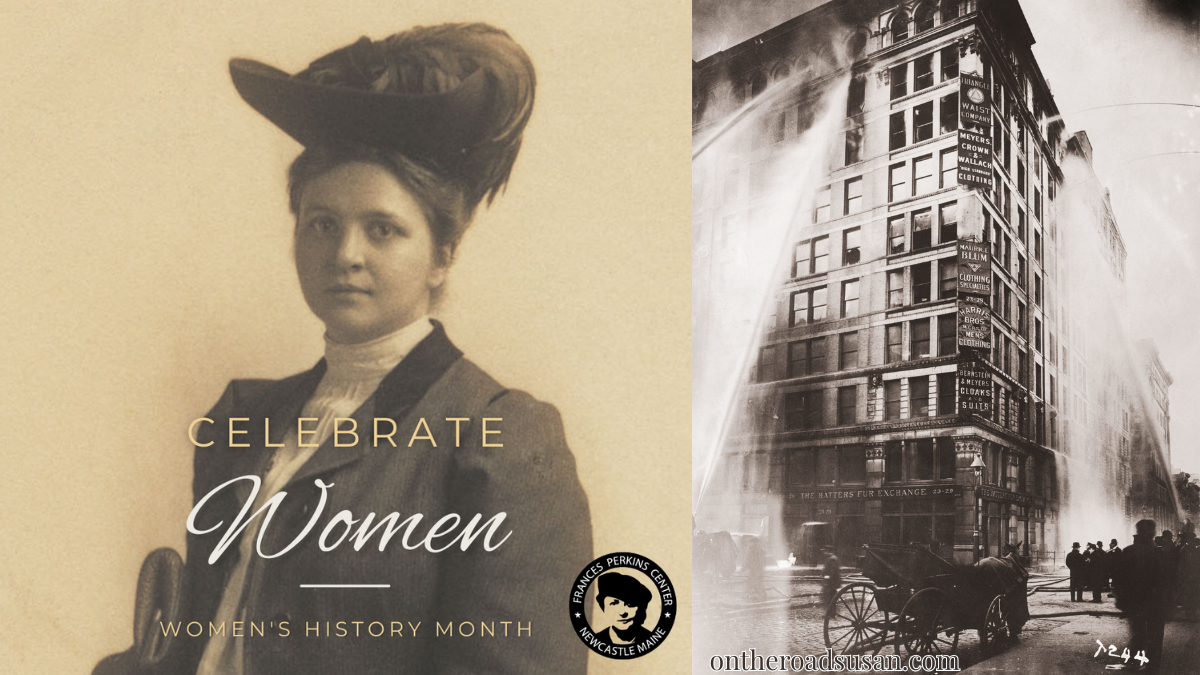
How Witnessing Tragedy Forged the Labor Laws of Modern America
On a spring afternoon in New York City, March 25, 1911, the air filled with smoke, screams, and sirens. Frances Perkins stepped into the street just as the Triangle Shirtwaist Factory burned above Washington Square. Young women—many barely teenagers—crowded the windows. The fire escape had collapsed. The doors were locked to prevent theft.
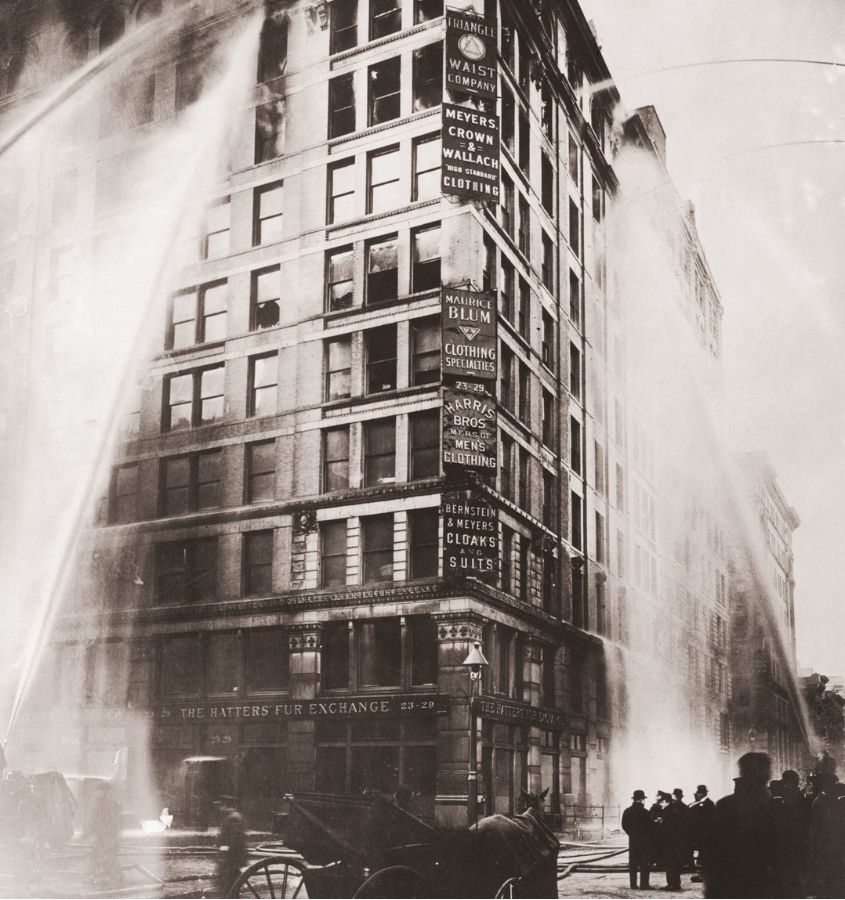
There was nowhere to go. They jumped.
One hundred and forty-six workers died that day. Most people saw a horrifying accident. Frances Perkins saw something else entirely: a crime scene created by greed, negligence, and indifference. In that moment, the quiet social worker was transformed into one of the most powerful reformers in American history.
A Privileged Beginning—and a Moral Awakening
Born in 1880 in Boston and raised in Worcester, Massachusetts, Frances Perkins grew up with opportunity, education, and expectations that pointed toward a comfortable life. She attended Mount Holyoke College, where a course in economics exposed her to the brutal realities of industrial labor.
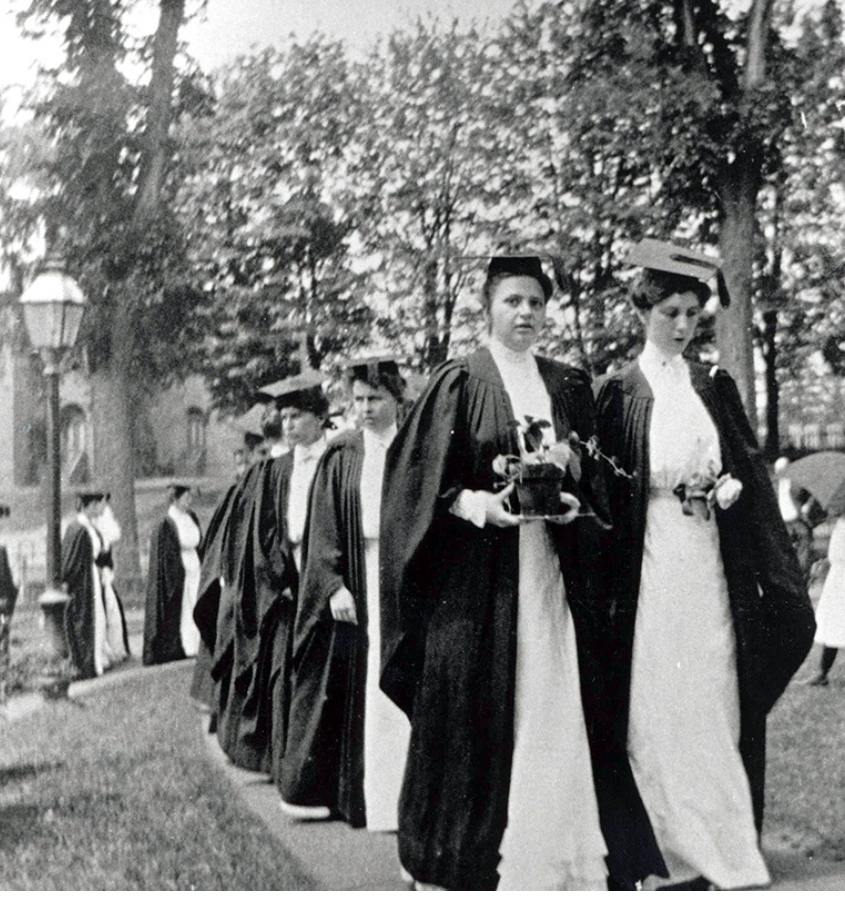
What struck her wasn’t just poverty—it was how preventable it all seemed. Long hours, unsafe buildings, child labor, starvation wages. These weren’t acts of nature. They were choices.
After college, Perkins worked in settlement houses in Chicago and Philadelphia, immersing herself in immigrant communities and factory neighborhoods. She didn’t study suffering from a distance—she lived among it.
The Fire That Changed Everything
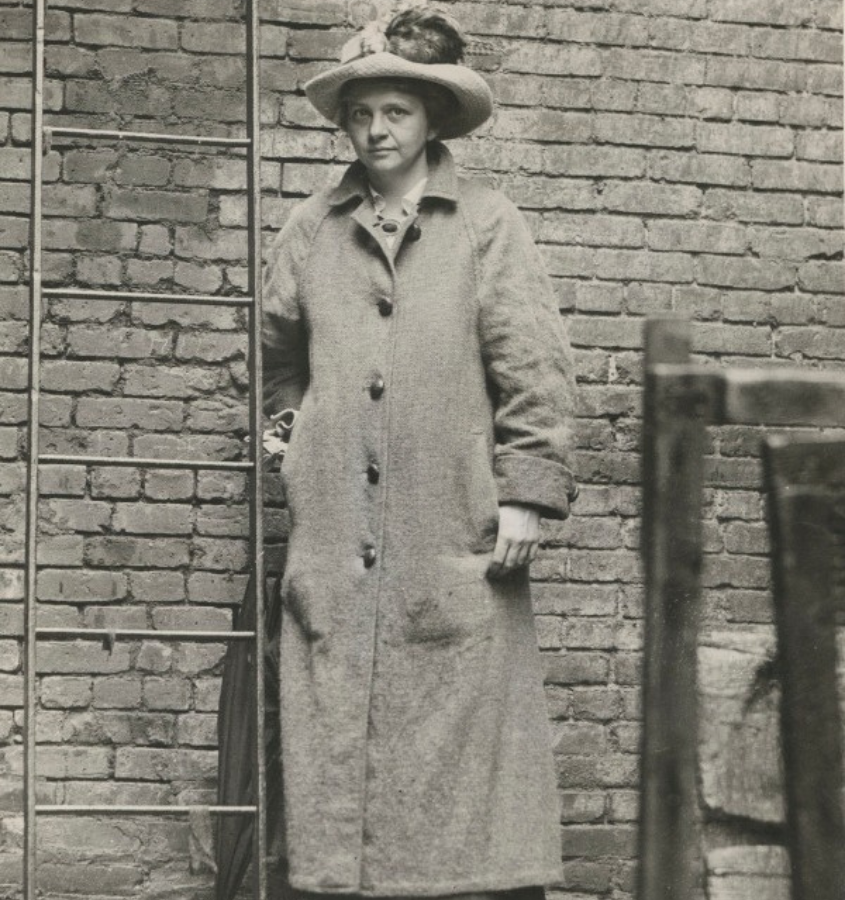
The Triangle Shirtwaist Factory fire became the dividing line of her life: before and after. Perkins later said she felt as if she had been “called” that day—not to mourn, but to act.
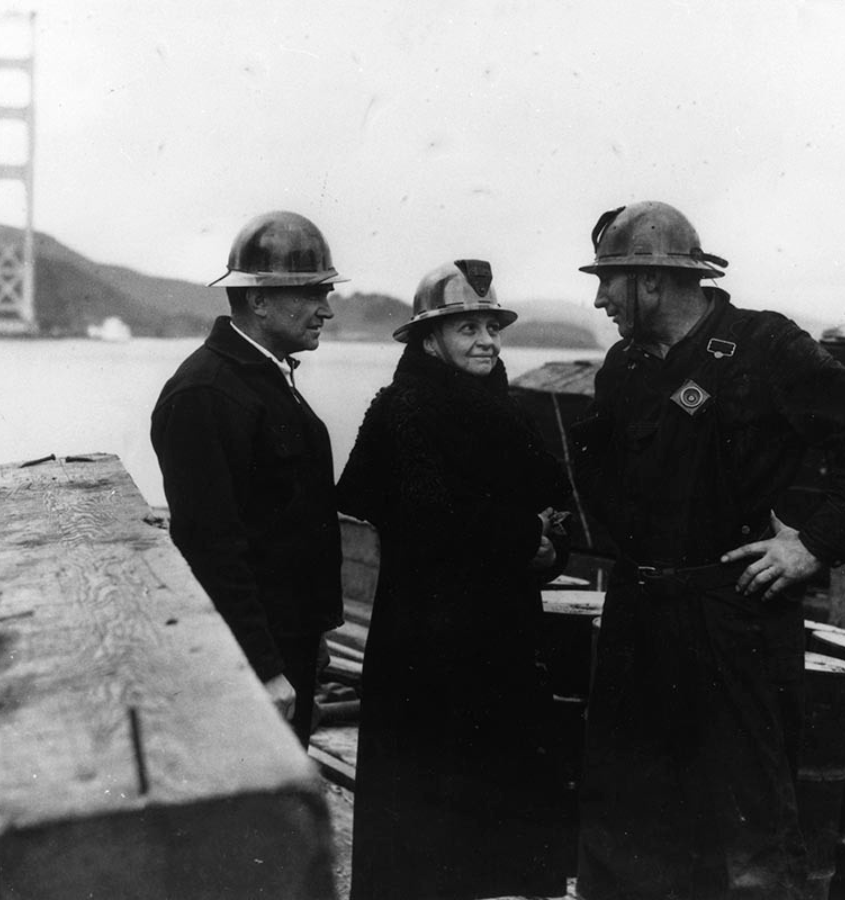
She joined New York’s Factory Investigating Commission, pushing through sweeping reforms:
Fire safety regulations
Building codes
Maximum work hours
Bans on child labor
Factories that once operated in shadows were now forced into the light.
For the first time, workers’ lives mattered more than profits.
From Reform to Power
The First Woman in a Presidential Cabinet
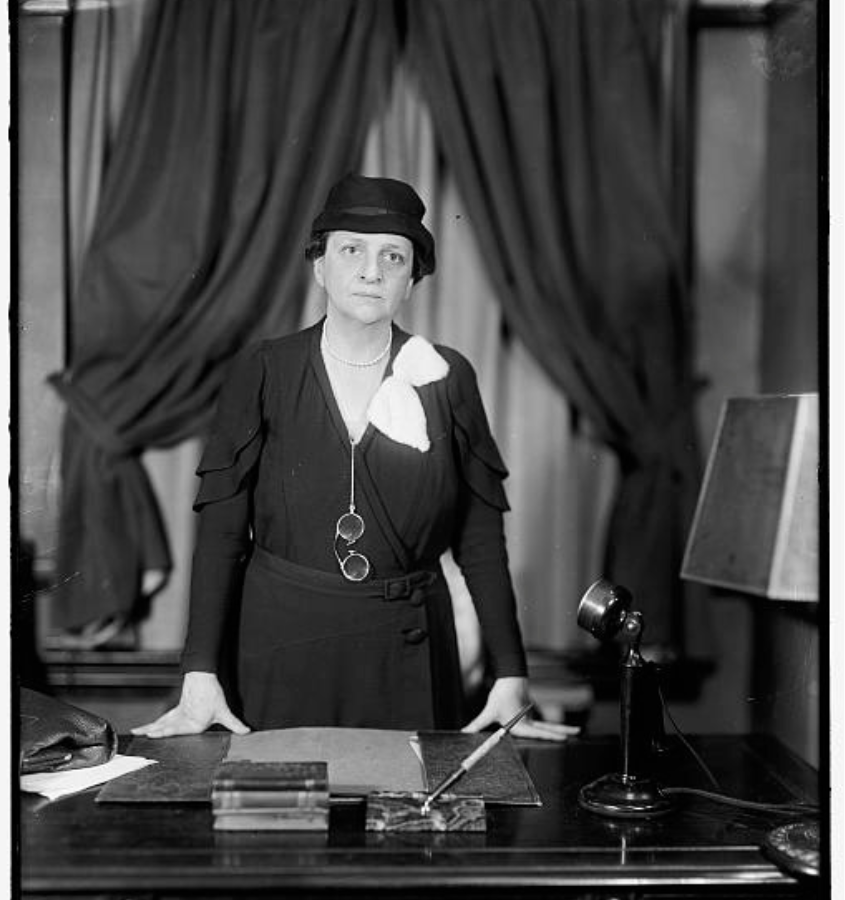
In 1933, President Franklin D. Roosevelt made a historic decision: he appointed Frances Perkins as U.S. Secretary of Labor—the first woman to ever serve in a presidential cabinet.
She didn’t accept lightly.
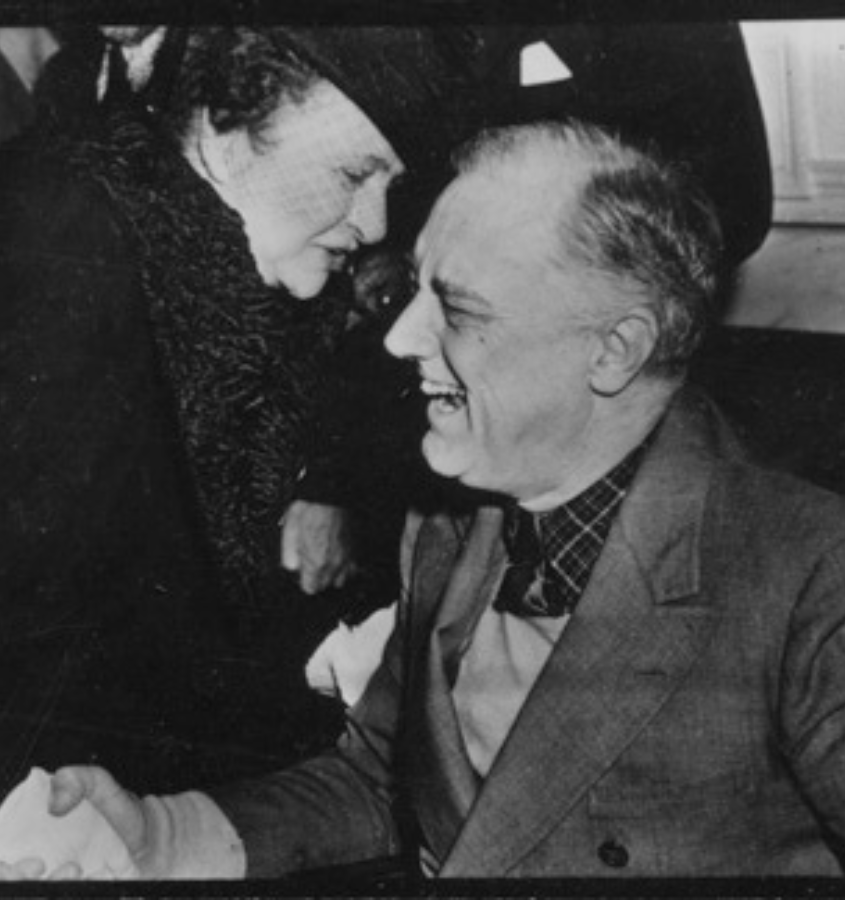
Before saying yes, Perkins presented Roosevelt with a list. It wasn’t a wish list. It was a demand. And it would become the backbone of the American social safety net.
Among her priorities:
Social Security, Unemployment insurance, A federal minimum wage, A 40-hour workweek
Workplace safety standards, Protections against child labor,
Roosevelt agreed.
And Perkins got to work.
Architect of the New Deal—and the Middle Class
Frances Perkins wasn’t just part of the New Deal. She designed it.
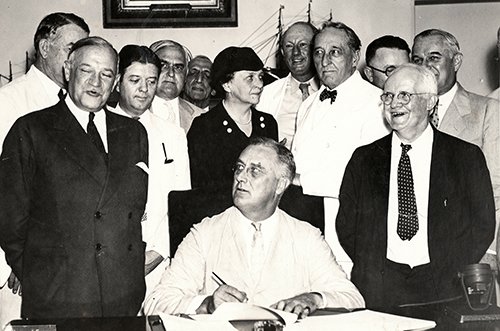
Social Security—perhaps the most transformative domestic policy in U.S. history—was largely her creation. It ensured that aging, disability, and unemployment would no longer mean destitution. For the first time, the government acknowledged responsibility for the economic well-being of its citizens.
This wasn’t charity. Perkins believed dignity came from security.
Her work helped create the American middle class.
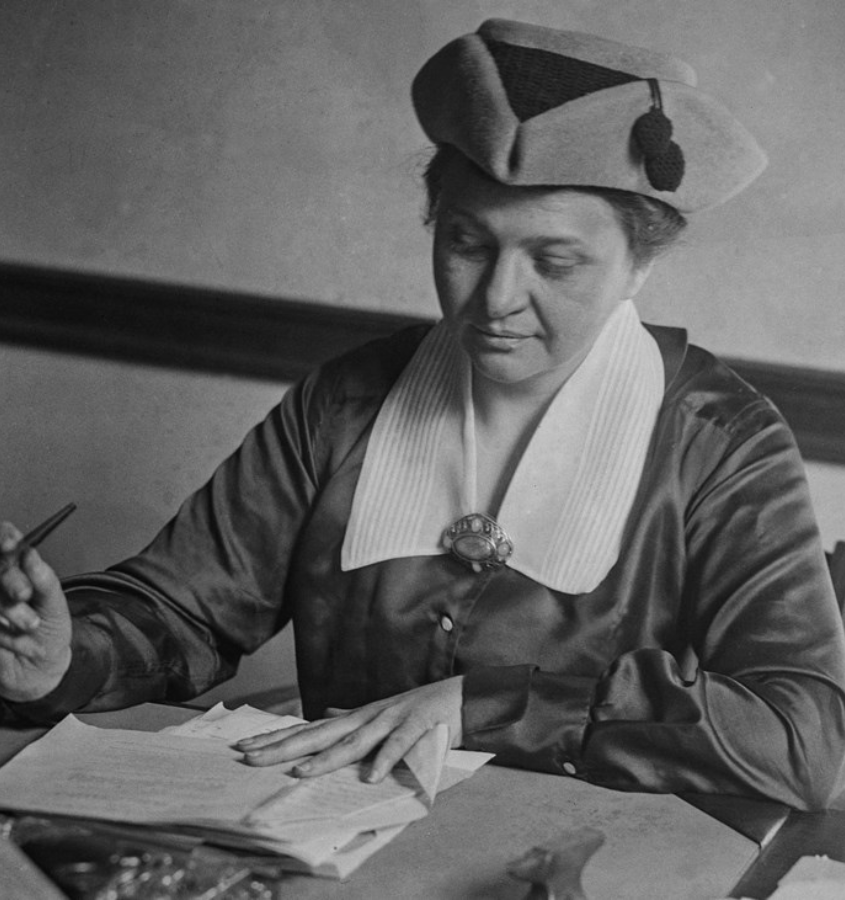
Resistance, Smears, and Quiet Strength
Power did not protect Perkins from attack. She was accused of being too radical, too soft, even un-American. At one point, Congress attempted to impeach her for refusing to deport an immigrant labor leader without due process.
She didn’t flinch.
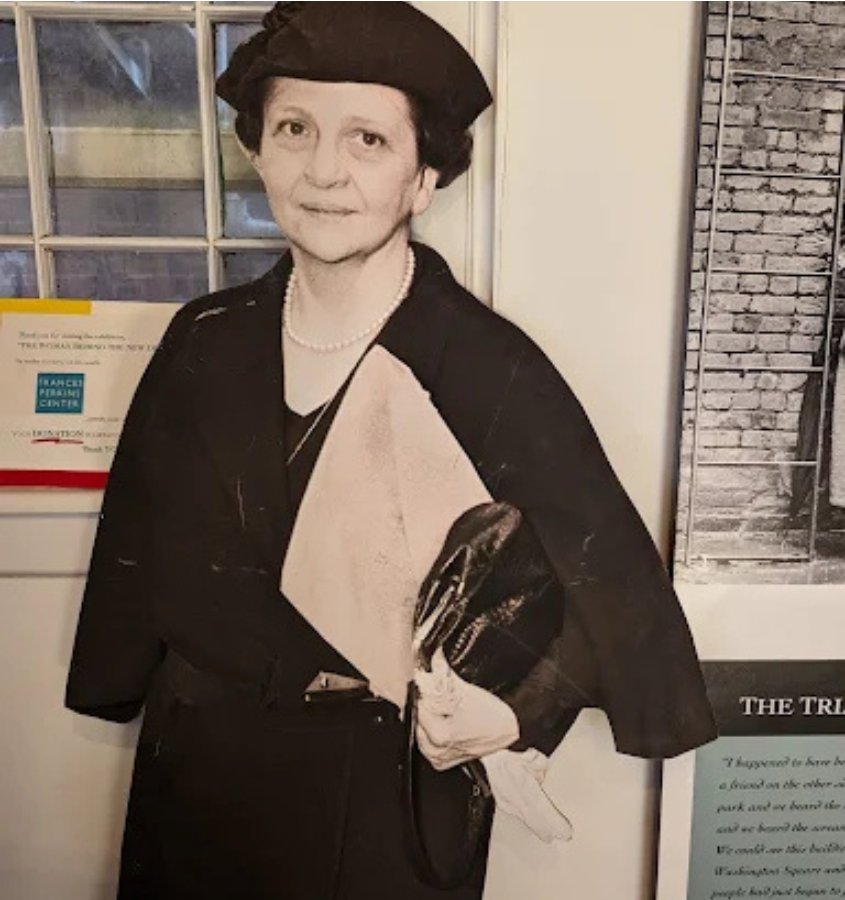
Perkins believed laws mattered only if they applied to everyone. Especially the vulnerable.
She stayed calm, persistent, and relentlessly focused on outcomes—not applause.
Why Frances Perkins Still Matters Today
Nearly everything we debate today—living wages, workplace safety, retirement security, child labor, work-life balance—traces back to Frances Perkins.
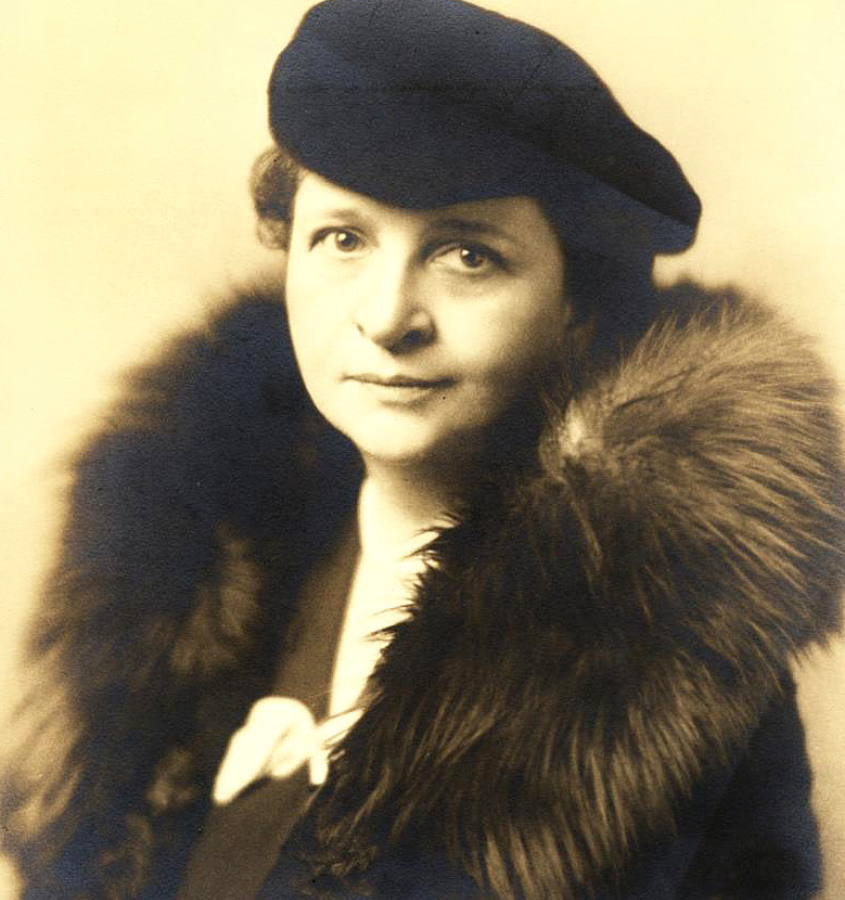
She reminds us that progress often begins with witnessing injustice and refusing to look away. That lasting change isn’t built on outrage alone, but on policy, persistence, and courage.
In an era when workers again face uncertainty, burnout, and inequality, Perkins’ legacy feels urgently modern.
She didn’t just ask what is legal?
She asked what is right?
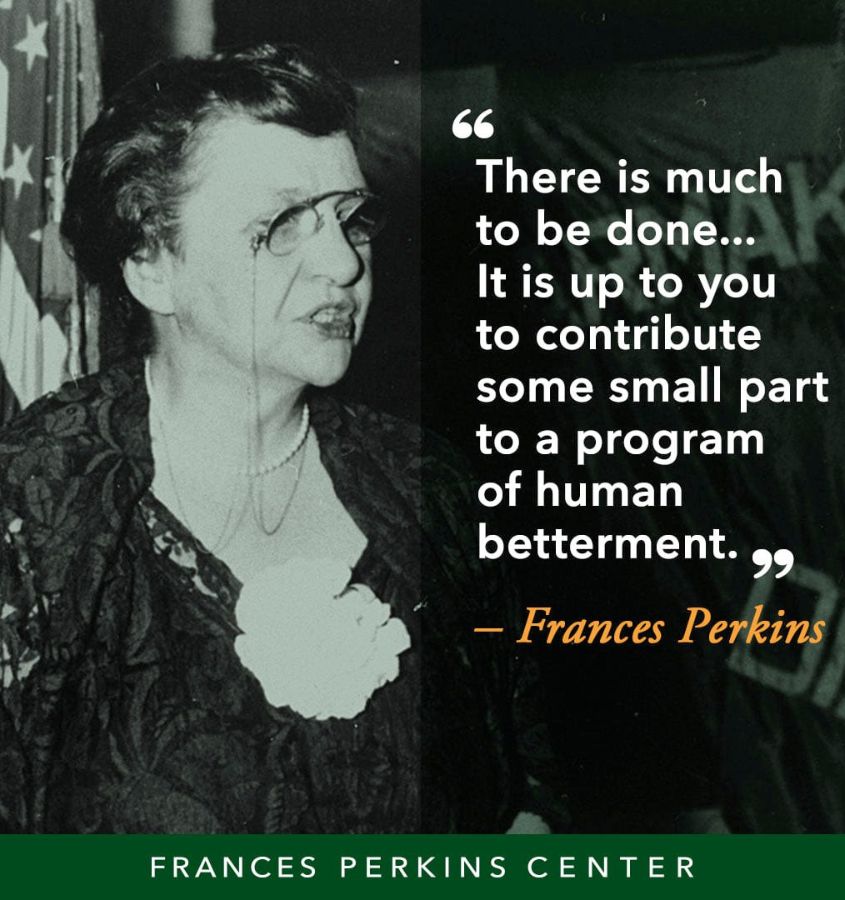
National Monument
Another meaningful way I’ve connected with Frances Perkins’ legacy is through the Frances Perkins National Monument, located at her lifelong homestead along Maine’s Damariscotta River. This was the place she returned to again and again to think, to write, and to gather the strength needed for the hard work of reform. Standing on that land—or even learning about it—you can almost feel the quiet resolve that shaped so many of the labor protections we take for granted today. If you ever find yourself in Maine, I encourage you to seek it out. And if travel isn’t possible, take a few moments to explore the monument online and learn more about the woman behind the laws. Preserving places like this helps ensure that stories like hers are never forgotten.

My Final Thoughts
Frances Perkins never set out to make history. She set out to fix what was broken. What she witnessed on that March day in 1911 stayed with her for the rest of her life—and because she refused to look away, generations of American workers have been safer, more secure, and more protected.
If you would like to learn more about Frances Perkins, there are several books written about her remarkable legacy, along with museums, archives, and even a Facebook page honoring her life and work. Frances Perkins Center Her story is a powerful reminder that lasting change often begins with one person who chooses action over silence.
Her work shaped the labor laws we still rely on today—and her legacy continues to challenge us to ask what kind of society we want to build next.
Until Next Time!
Susan