


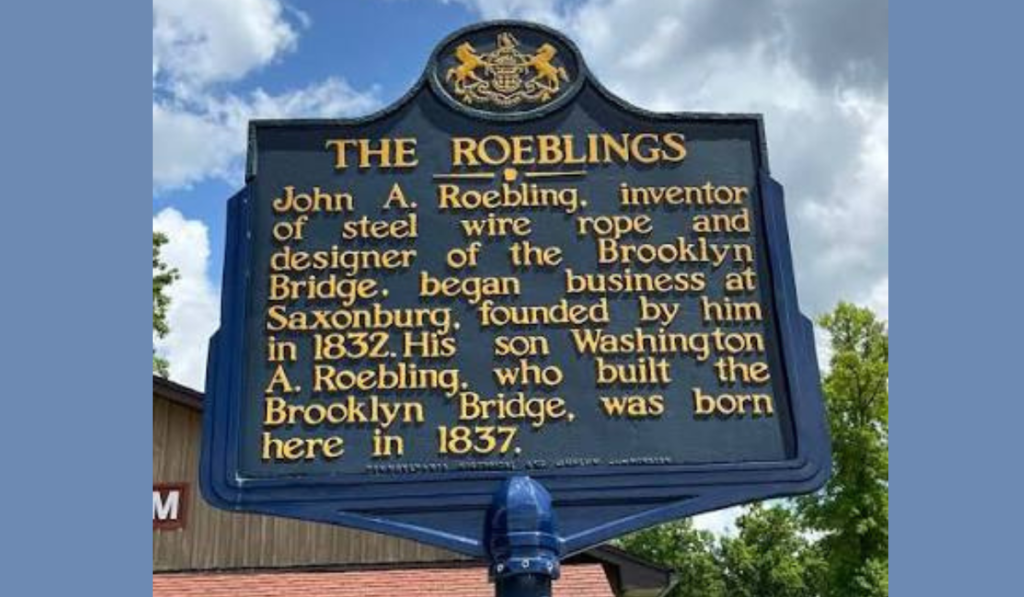
The first marker documented in my Pennsylvania Historical Marker series
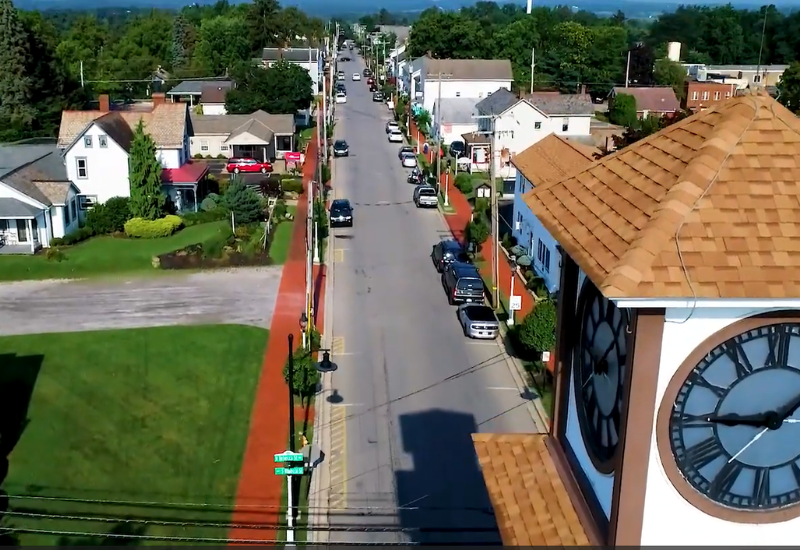
On a walk through Saxonburg, it is easy to be drawn to the town’s brick sidewalks, historic buildings, and welcoming Main Street. But one blue-and-gold sign tells a story that reaches far beyond this small Butler County community. The Pennsylvania Historical Marker titled “The Roeblings” honors John A. Roebling and his son, Washington A. Roebling—two engineers forever connected to one of America’s most recognizable landmarks, the Brooklyn Bridge.
This is also the first marker I am officially documenting for my Pennsylvania Historical Marker series. As I travel across the state, I plan to track down these familiar blue-and-gold signs, photograph them, and explore the people, places, and events behind their brief inscriptions.

What Does the Roeblings Marker Say?
The marker reads:
THE ROEBLINGS
John A. Roebling, inventor of steel wire rope and designer of the Brooklyn Bridge, began business at Saxonburg, founded by him in 1832. His son Washington A. Roebling, who built the Brooklyn Bridge, was born here in 1837.
John A. Roebling and the Founding of Saxonburg
John Augustus Roebling was born in Mühlhausen, Prussia—now part of Germany—in 1806. Trained as an engineer, he came to the United States in 1831 with his older brother, Carl, and a group of German settlers.
The brothers purchased land in Butler County and established a farming community that eventually became Saxonburg. The town was founded in 1832, and its carefully planned streets still help tell the story of its German roots.
Farming, however, was not where John Roebling’s greatest talents rested. He returned to engineering and began searching for a safer and more durable replacement for the hemp ropes then used to pull rail cars over inclined planes. Hemp wore out quickly and could break under heavy loads.

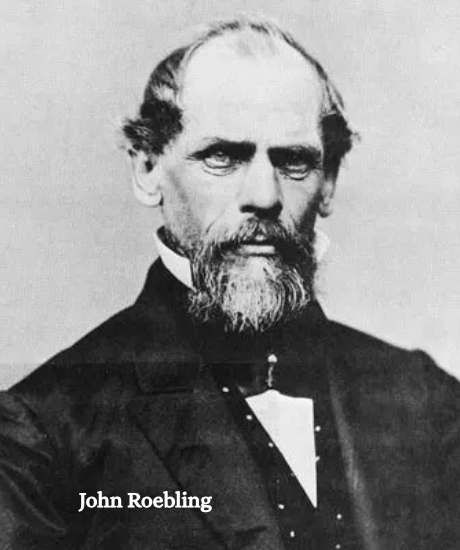
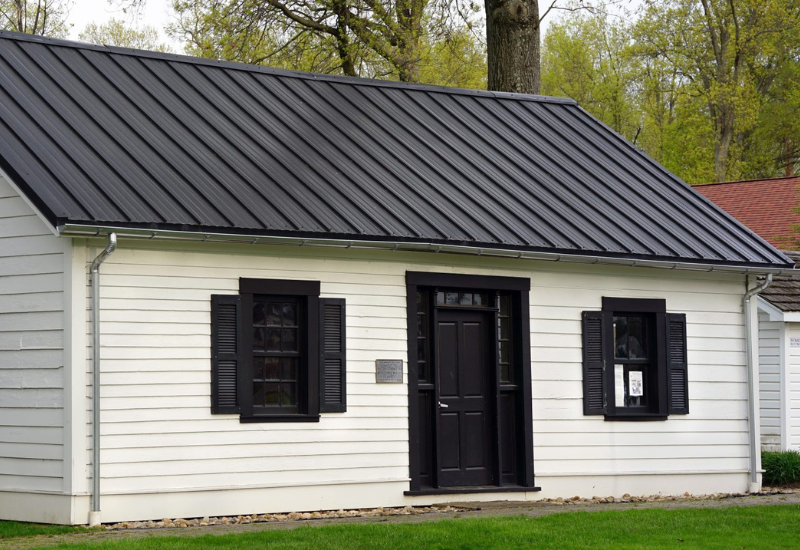
Roebling developed a method of twisting individual wires together into strong wire rope. In Saxonburg, he established a small workshop and began producing wire cable. He received a United States patent for an improved method of making wire rope in 1842.
This innovation would change transportation and bridge construction. Roebling’s wire rope was first used for industrial and transportation purposes, including the Pennsylvania Canal’s Allegheny Portage Railroad. He later applied the strength and flexibility of wire cable to suspension bridges.
Saxonburg is therefore more than the town Roebling helped establish. It is widely recognized as the birthplace of the wire-rope industry in America.
From a Saxonburg Workshop to the Brooklyn Bridge
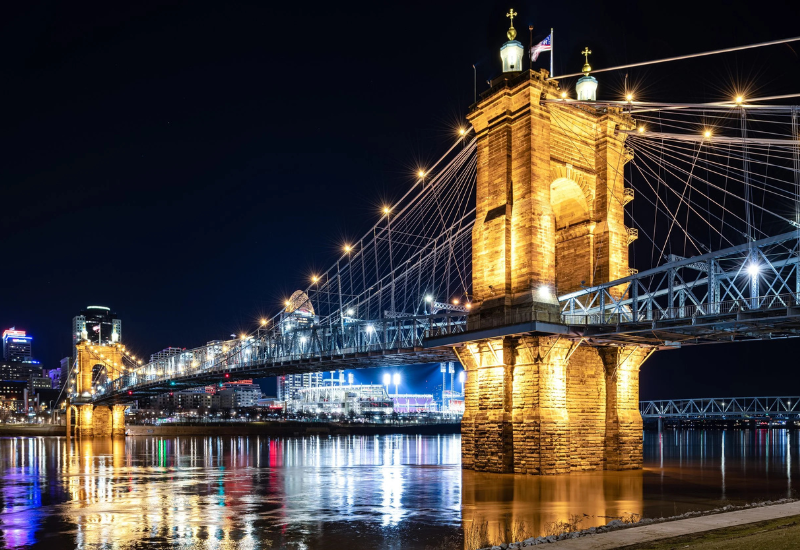
John Roebling eventually moved his wire-rope business to Trenton, New Jersey, where it grew into a major manufacturing operation. He designed several important suspension bridges, including the Niagara Gorge Suspension Bridge and the Cincinnati–Covington Bridge, now known as the John A. Roebling Suspension Bridge.
His most ambitious project was a bridge across New York City’s East River connecting Manhattan and Brooklyn.
John designed the Brooklyn Bridge, but he did not live to see construction completed. In 1869, while surveying the site, his foot was crushed in an accident involving a ferry. He died of tetanus a few weeks later.
Responsibility for the enormous project then passed to his son, Washington A. Roebling.
Washington Roebling: Born in Saxonburg
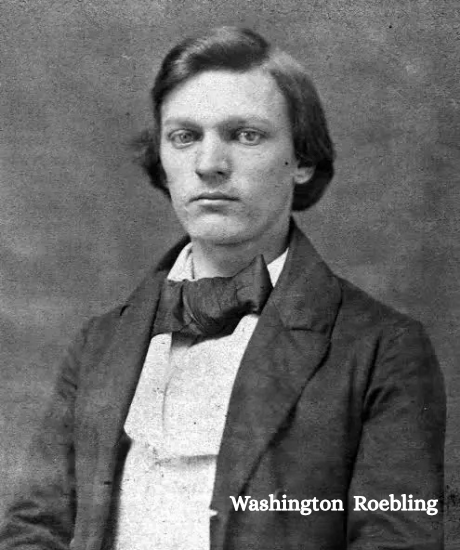
Washington Augustus Roebling was born in Saxonburg on May 26, 1837. He followed his father into engineering and also served in the Union Army during the Civil War.
After John’s death, Washington became chief engineer of the Brooklyn Bridge. Its construction was dangerous and extraordinarily complex. Workers built massive underwater foundations inside pressurized caissons, and Washington’s time in those caissons contributed to decompression sickness, then commonly called caisson disease.
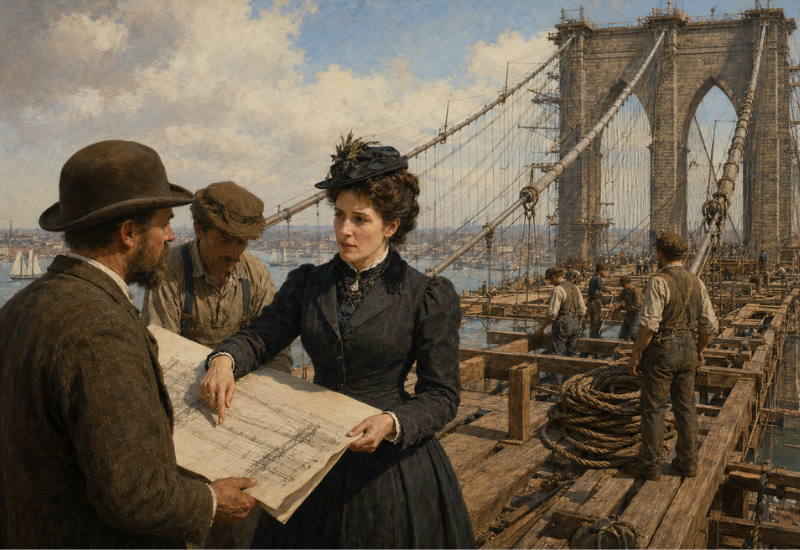
His health was badly damaged, but he continued directing the work from a nearby residence. His wife, Emily Warren Roebling, became an essential link between Washington and the engineers at the bridge site. She studied the technical details, carried his instructions, answered questions, and played a crucial role in seeing the project through to completion.
The Brooklyn Bridge opened on May 24, 1883. It stood as a triumph of engineering and as the result of the determination of John, Washington, and Emily Roebling.
The marker in Saxonburg names John and Washington, but Emily’s contribution is an important part of the larger Roebling story. I have also explored her remarkable life in my Women in History series The Women Who Helped Complete the Brooklyn Bridge
Why Was the Historical Marker Placed in Saxonburg?
The marker was placed in Saxonburg because this community is where several parts of the Roebling legacy began:
-
John A. Roebling helped found the town in 1832.
-
He began his wire-rope business and early development work here.
-
His original innovation helped transform bridge building and industrial transportation.
-
Washington A. Roebling, who supervised construction of the Brooklyn Bridge, was born here in 1837.
The marker commemorates Saxonburg’s importance to Pennsylvania and American engineering history. Long before the Brooklyn Bridge rose above the East River, the ideas and family story behind it were taking shape in this small Western Pennsylvania town.
Its 1947 dedication also makes it one of Pennsylvania’s earlier state historical markers. The statewide program began in 1946, which means the Roeblings marker was installed near the beginning of the program’s history.
More Roebling History to See in Saxonburg
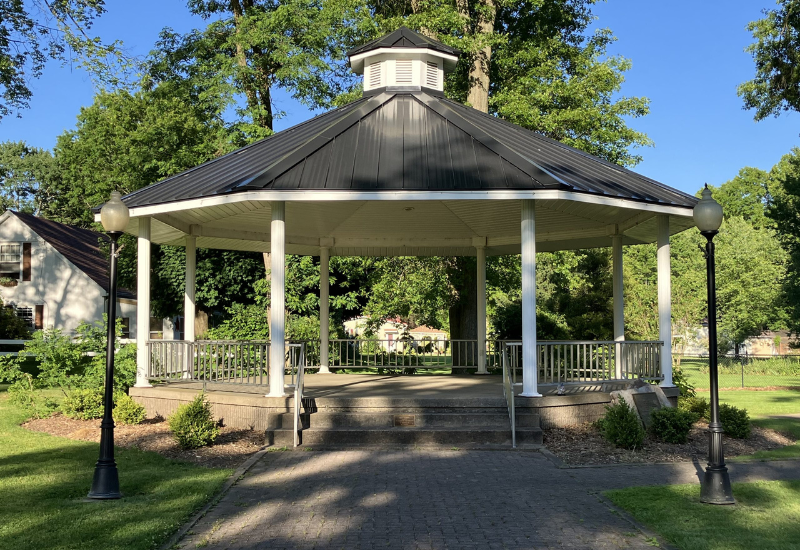
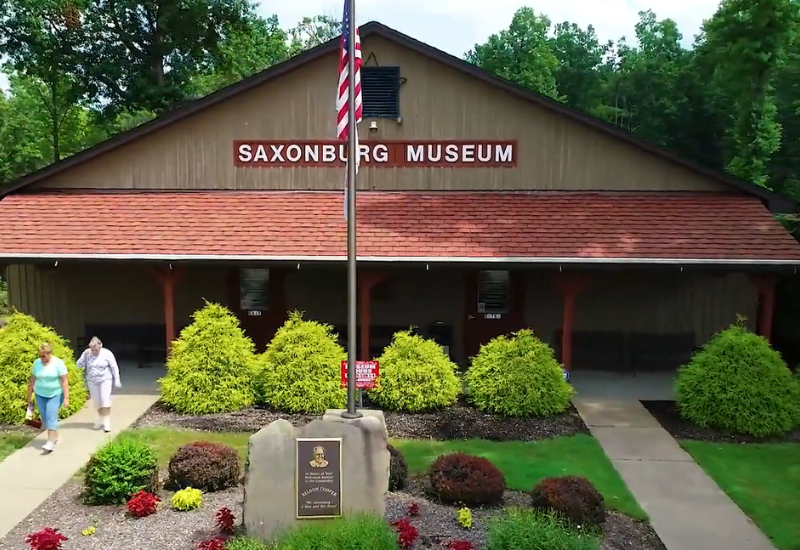
The marker is only the beginning of the Roebling story in town. Visitors can also explore Roebling Park, the Saxonburg Museum, and John Roebling’s historic workshop. The workshop is associated with his pioneering wire-rope work and helps visitors picture how an idea developed in a small shop eventually influenced bridges around the world.
Museum access can be seasonal or available through scheduled tours, so it is best to confirm current hours before visiting.
Saxonburg itself deserves time beyond a quick stop at the marker. Its historic buildings, locally owned shops, places to eat, and walkable Main Street make it a wonderful small-town destination.
To plan a longer visit and discover more of the community, read my complete Saxonburg guide:
My Final Thoughts
I could not have chosen a better marker to begin this series. “The Roeblings” marker is a perfect example of why I enjoy stopping to read Pennsylvania’s blue-and-gold signs. A person could drive past it in seconds, never realizing that Saxonburg helped shape the story of the Brooklyn Bridge and the development of modern wire rope.
Finding the marker in person gave me a new way to connect a famous American landmark with a Pennsylvania small town. It reminded me that history is not confined to large museums or major cities. Sometimes it is standing beside a road, waiting for someone to stop, read, and ask what happened there.
This is Pennsylvania Historical Marker #1 documented in my journey. I will continue tracking down markers across the Commonwealth, photographing each one I find, and sharing the fuller stories behind their inscriptions.
One marker down—and many more miles of Pennsylvania history still waiting to be explored.
Until Next Time!
Susan