


How to Earn, Explore, and Enjoy Life on the Road
There’s something magical about waking up in a new place, brewing your morning coffee outside your camper, and knowing that today’s “office” might be a quiet forest trail, a scenic campground, or a beautiful lakeside retreat. That’s the heart of Workcamping—a lifestyle that blends meaningful work with the freedom to travel.

If you’ve ever wondered how people manage to explore the country for months at a time without draining their savings, Workcamping might just be your new favorite travel secret.
In this blog, I’m diving into what Workcamping is, how it works, and the different options available. And if you’re ready to jump into this lifestyle yourself, I’ll also share one of the best resources out there: Workamper.com.
Let’s hit the road…
What Exactly Is Workcamping?
Workcamping is a unique arrangement where RVers—or travelers with a camper, van, or motorhome—exchange part-time work for a free campsite, utilities, and sometimes additional pay or perks.
Think of it as a working vacation that never really ends.

Many Workcampers are:
Retirees looking for adventure, Full-time travelers, Solo travelers who enjoy meeting new people, Couples exploring the country together, Seasonal workers wanting something fun and flexible, Anyone craving a lifestyle shift.
What makes it so appealing?
You can travel affordably, meet wonderful people, and experience places most tourists never get to see—while still having a reliable home base and routine.
Different Types of Workcamping Jobs
There’s a surprising variety of Workcamping opportunities out there, and each offers a different type of experience. Here are some of the most popular options:
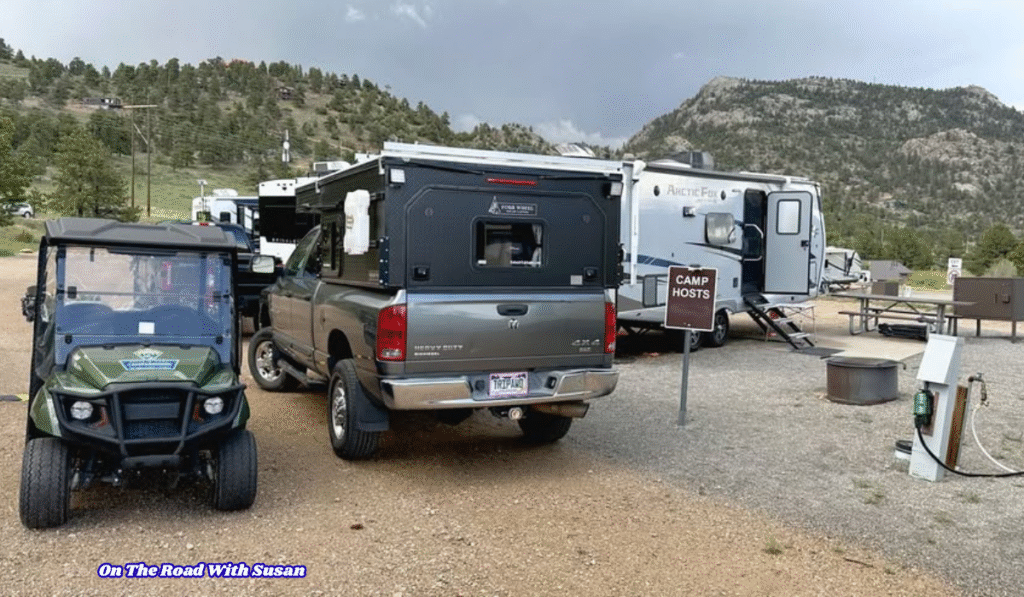
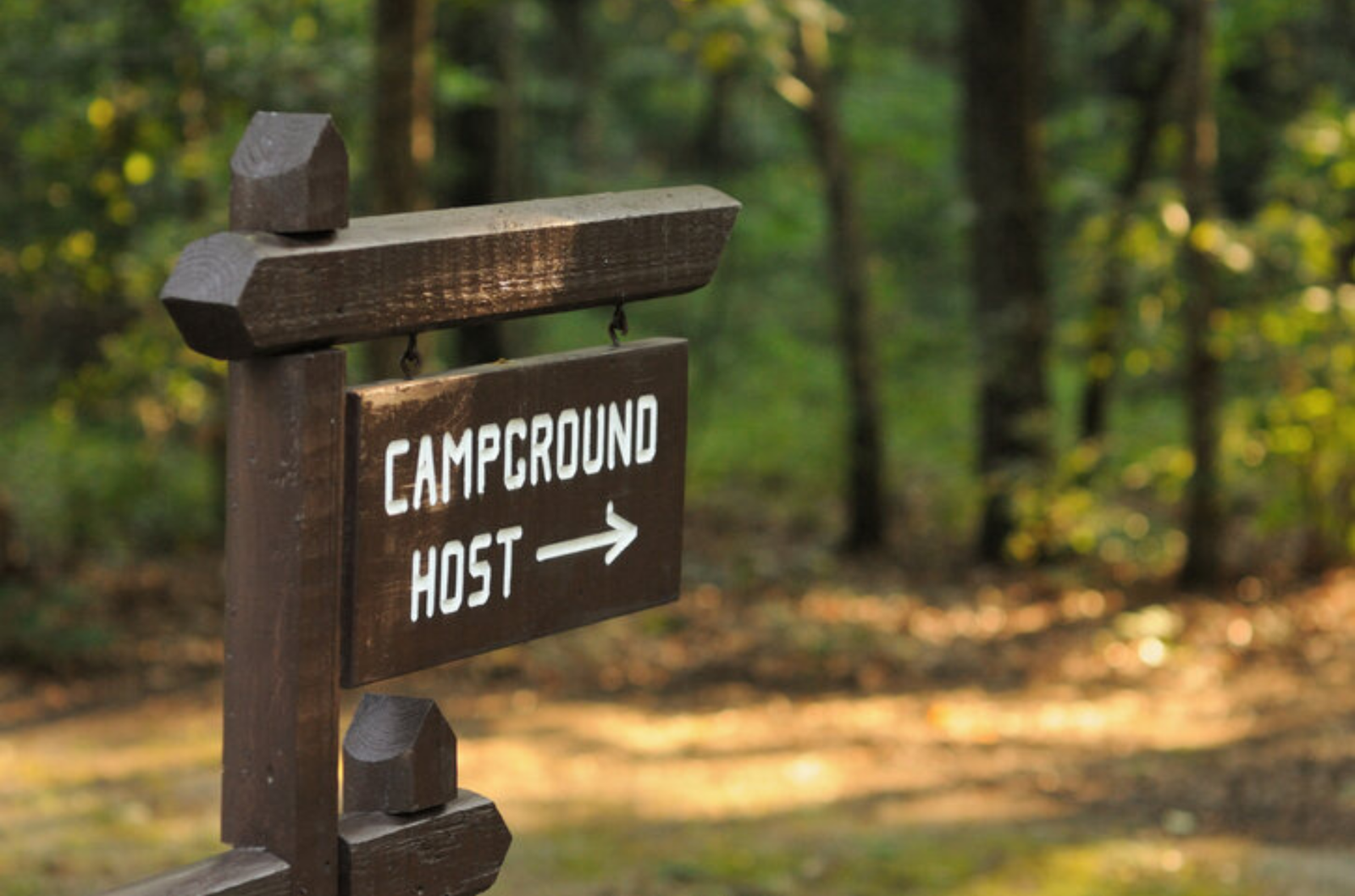
1. Campground Host
This is often the first type of Workcamping job people picture—and for good reason. Campground hosts are the welcoming face of a campground or RV park. You might greet guests as they arrive, help them find their campsite, answer questions about hookups, or offer tips on local attractions.
The work is usually light to moderate and often split into short shifts throughout the day, leaving plenty of time to enjoy your surroundings. Some positions are paid hourly, while others offer a free campsite and utilities in exchange for a set number of hours. It’s a great choice for social people who enjoy helping others and like being part of a campground community.
This is the classic Workcamper role.
What you do:
Greet campers, Check guests in/out, Keep campsites tidy, Provide information about the area, Light maintenance or groundskeeping
Why people love it:
You get to live right in the middle of nature—mountains, forests, beaches, you name it—and meet travelers from all over the world.
2. National & State Park Jobs
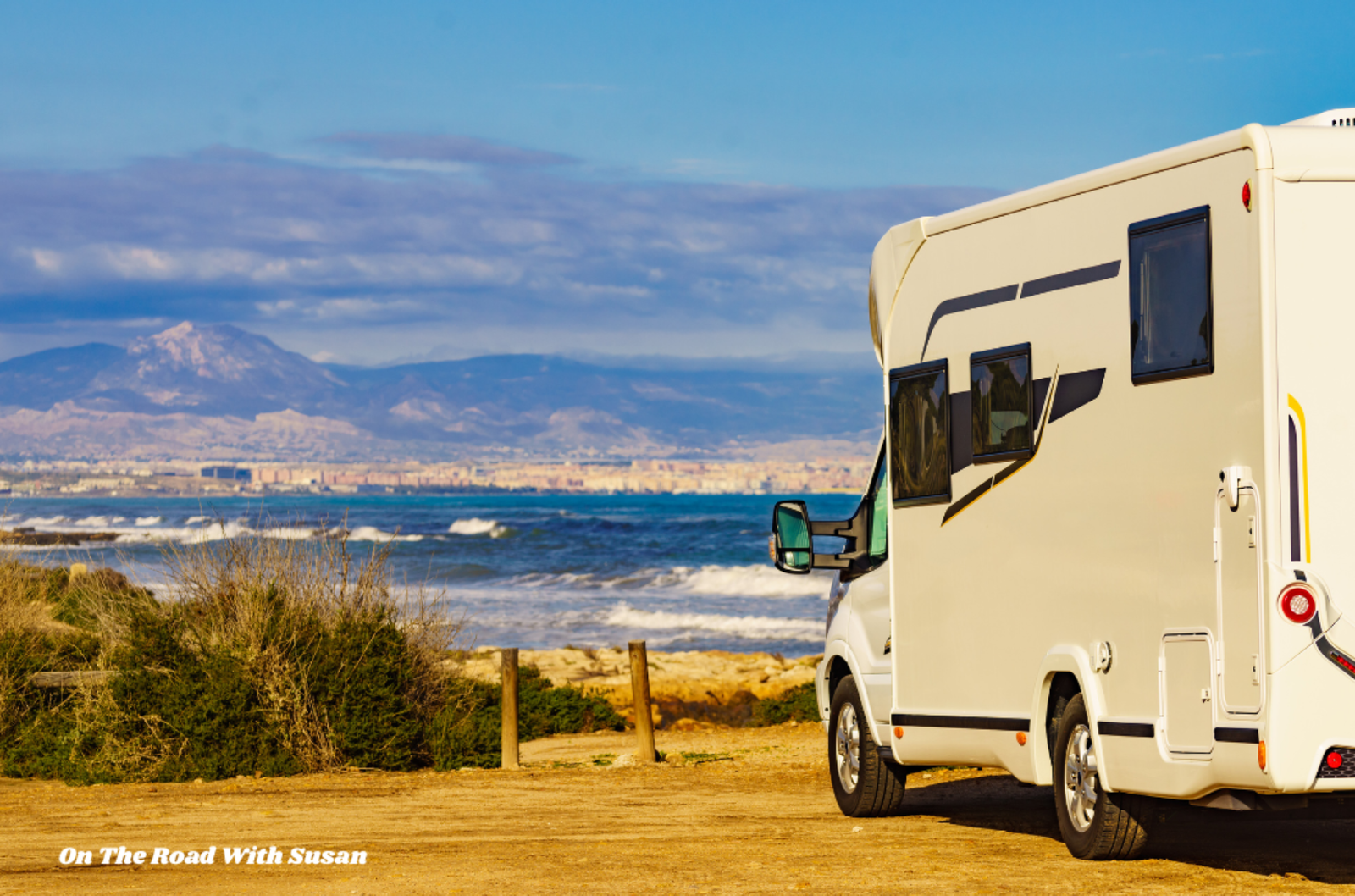
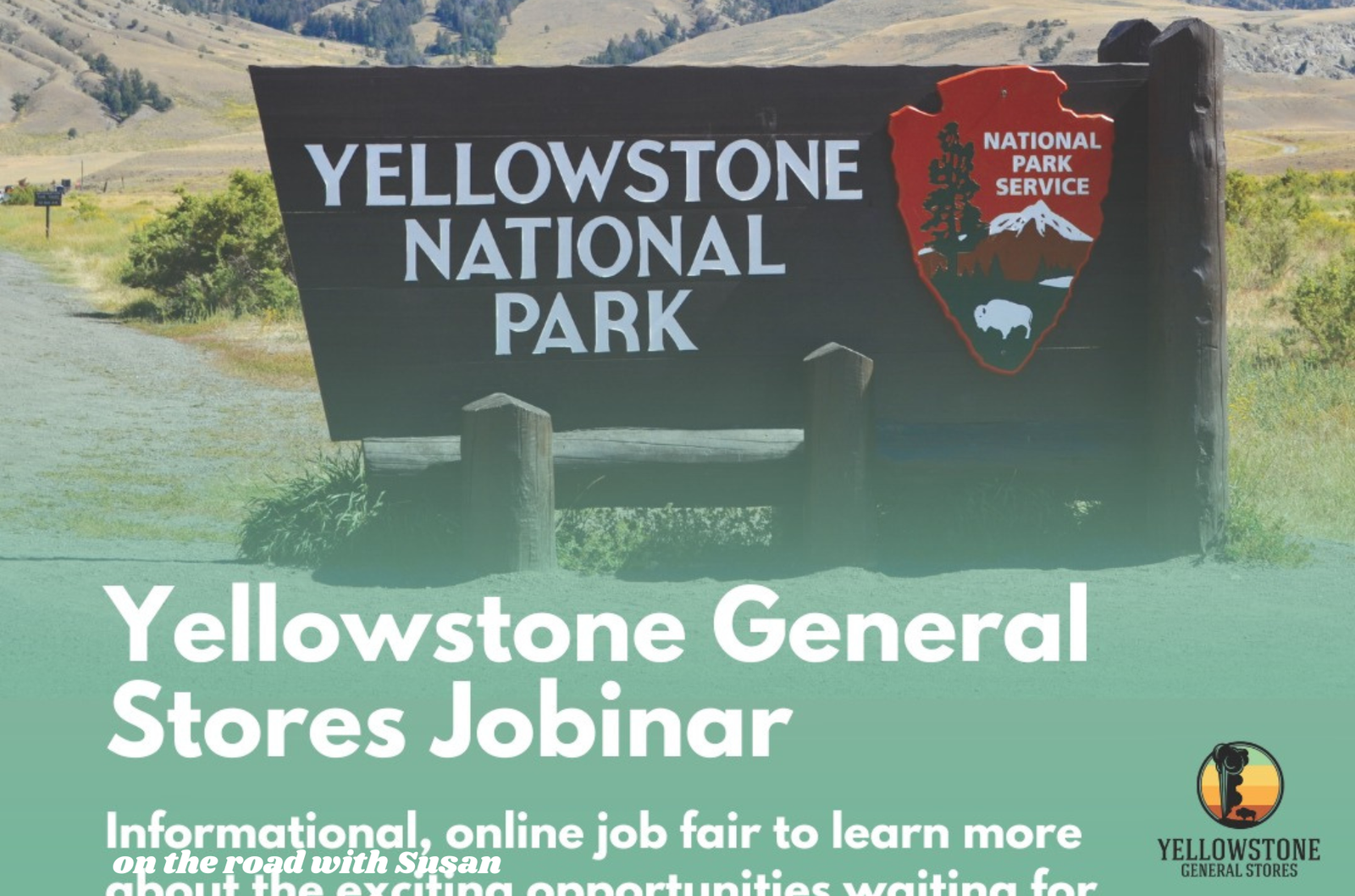
Working in a national or state park offers a completely different kind of experience. These roles often place you in some of the most scenic locations in the country—places most people only get to visit for a weekend.
Jobs vary widely and can include working in visitor centers, assisting with educational programs, maintaining trails, managing parking areas, or helping in park gift shops. The pace can be busier during peak tourist seasons, but many Workcampers say the experience is worth it for the setting alone. Living and working inside a park creates a sense of connection to the land and the people who care for it.
If you’ve ever dreamed of spending a season inside a national park, this is your chance.
Roles include:
Visitor center staff, Trail maintenance, Parking attendants, Gift shop or museum staff, Educational program assistants
These positions often come with excellent scenery, community potlucks, and a close-knit team of fellow travelers.
3. RV Park & Resort Jobs
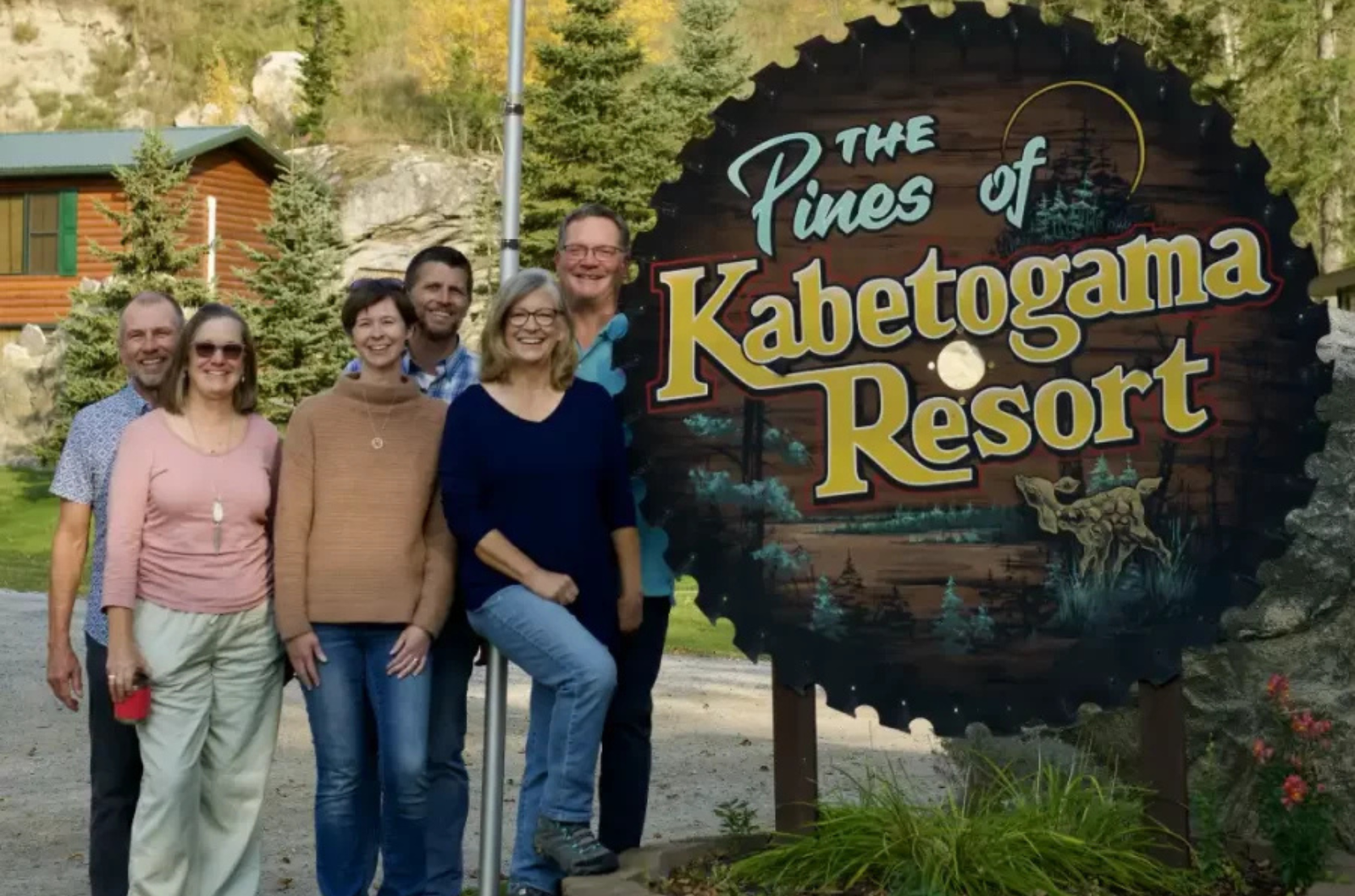
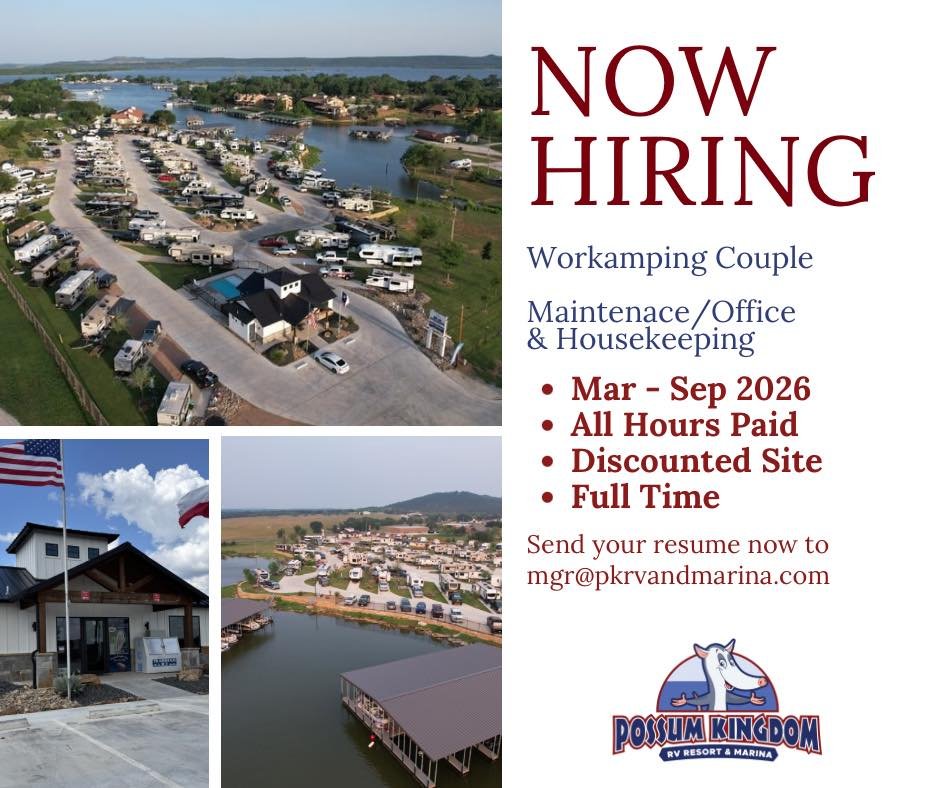
RV parks and resorts tend to be more structured and hospitality-focused than rustic campgrounds. These locations often operate year-round or seasonally in popular vacation areas.
Work may involve front desk duties, reservations, housekeeping, landscaping, pool maintenance, or coordinating activities for guests. Resorts sometimes offer higher pay, longer seasons, and extra amenities like fitness centers, pools, or social events. This option works well for people who enjoy routine, customer interaction, and a slightly more polished environment.
These are great options if you prefer a mix of hospitality and routine.
You might work as:
Front desk staff, reservations assistant, Pool attendant, Groundskeeper, Activities coordinator
RV resorts often come with extra perks: fitness centers, pools, events, and more.
4. Agriculture & Harvest Jobs
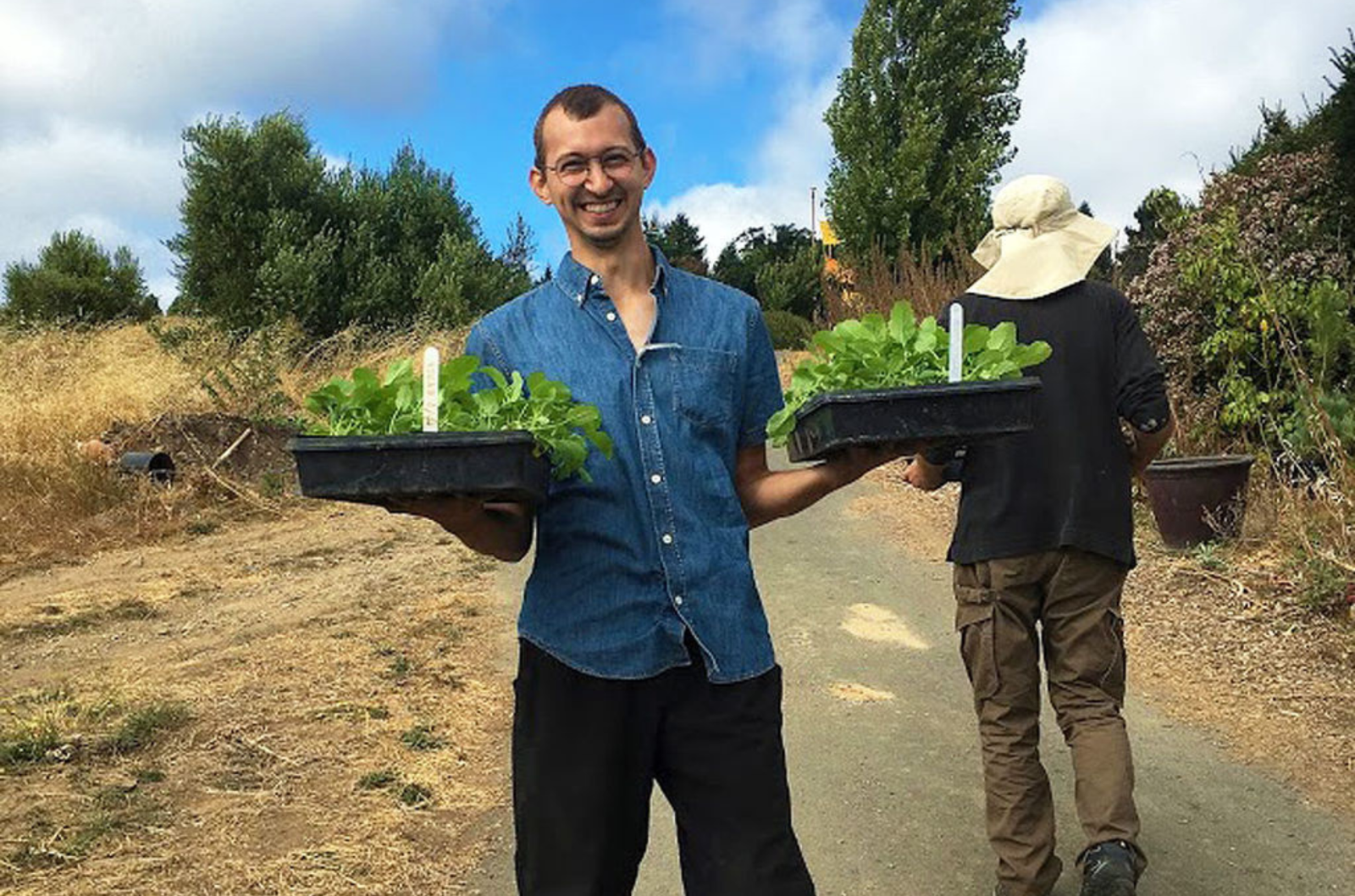
Seasonal farm work is another unique path into Workcamping. These jobs follow the natural growing cycles across the country, allowing you to move with the seasons.
Depending on the location, you might help with fruit picking, vegetable harvesting, sorting produce, working farm stands, or assisting at pumpkin patches and Christmas tree farms. The work can be physical, but many people love the simplicity and the opportunity to be outdoors. It’s an especially appealing option for Workcampers who enjoy rural settings and hands-on work.
You might:
Pick fruit, Help with harvest-season sorting, Work at farm stands, Assist with pumpkin patches or Christmas tree farms
These jobs follow the seasons, so you can move around the country with the harvest schedule.

5. Amusement Parks & Attractions
Some of the most fun Workcamping jobs can be found at amusement parks, tourist attractions, and seasonal destinations. These roles often include food service, retail, ticketing, parking assistance, or guest services.
The pace can be fast and energetic, especially during peak season, but the environment is usually lively and social. Many Workcampers enjoy these positions for the sense of excitement and the chance to live in popular vacation destinations for an entire season.
Some seasonal theme parks and tourist attractions hire Workcampers during their busiest months.
Jobs may include:
Food service, Retail, Ride attendants, Parking, Guest services
Imagine spending your summer in a fun-filled vacation destination!
6. Private Businesses Seeking RV-Based Staff
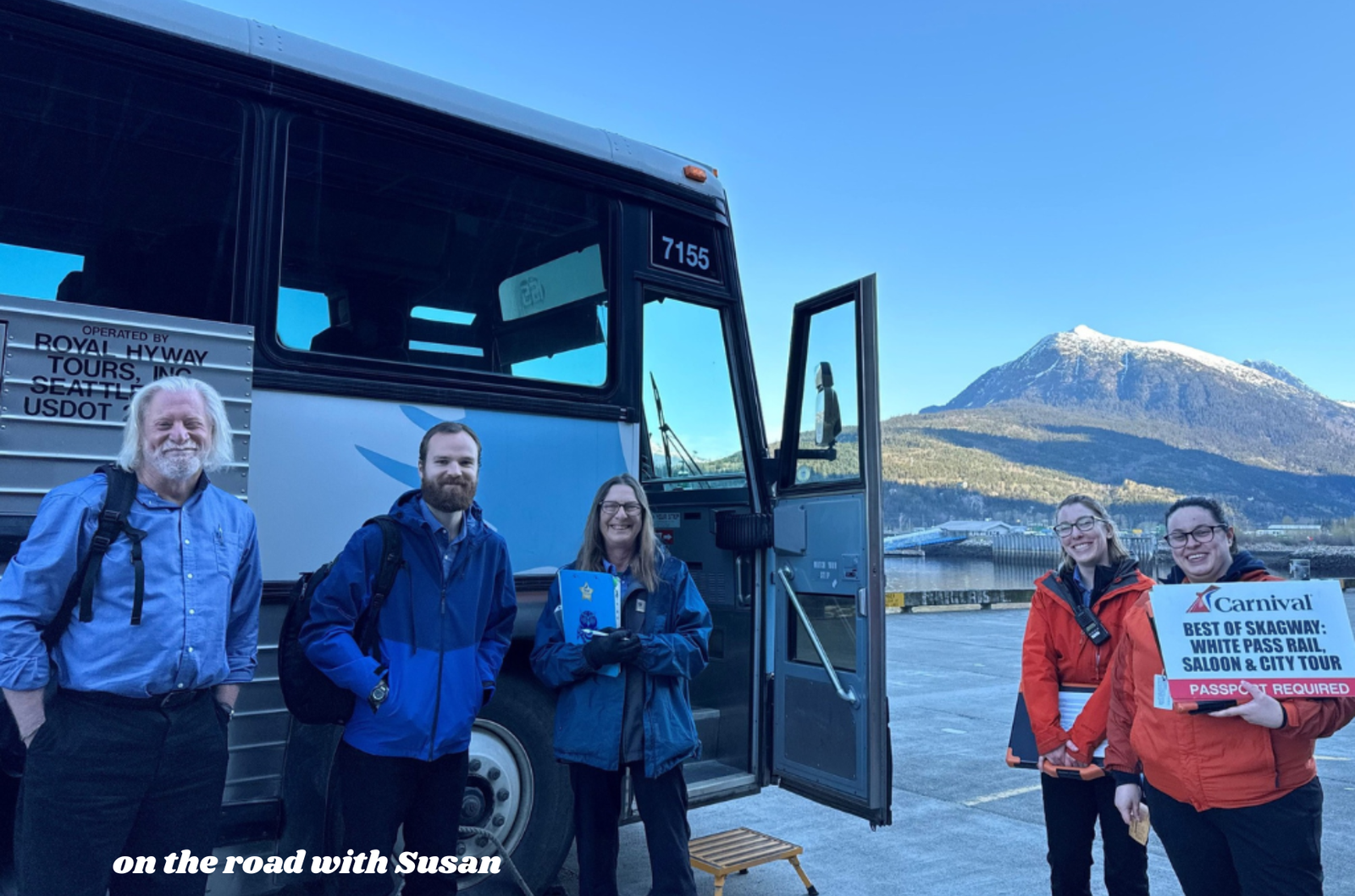
Beyond the traditional options, many private businesses are open to hiring Workcampers for specialized or flexible roles. These jobs can vary widely and often feel more personalized.
Examples include overnight security, event support, marina staff, tour guides, campground photographers, or caretakers for remote properties. These positions are sometimes harder to find but can be incredibly rewarding. They’re ideal for Workcampers with specific skills or those looking for something a little different from the usual campground roles.
Smaller businesses sometimes offer unique Workcamping setups.
Examples:
Campground photographers, Fishing guides, Event staff, Tour guides, Security or overnight monitoring
It all depends on the location and season.
You may have heard of Amazon CamperForce, which for years was one of the most well-known seasonal programs for RVers looking to earn solid income in a short amount of time. However, as of 2025, the Amazon CamperForce program has been discontinued. While it was once a popular option for Workcampers who wanted to fund extended travel, its closure is a good reminder that Workcamping opportunities can change over time. The good news is that many other seasonal employers, campgrounds, parks, and private businesses continue to offer flexible and RV-friendly jobs, making it easier than ever to find alternatives that better fit your travel style and goals.

Why This Variety Matters
The beauty of Workcamping is choice. You can start with something simple like campground hosting, then shift to a resort job, a national park, or a short-term seasonal role as your comfort level grows. Many Workcampers mix and match throughout the year, creating a lifestyle that balances income, travel, and personal interests.

How Much Money Do Workcampers Make?
One of the first questions people ask about Workcamping is whether it actually pays—and the answer is: more often than it used to. Recently, I’ve noticed more companies shifting toward offering both a wage and a free campsite, which is a big win for Workcampers.
In many cases, positions now include a full hookup campsite, utilities like electric, water, and sewer, and hourly pay that typically ranges from $10 to $20 an hour, depending on the role, location, and season. On top of that, some employers also offer discounts on purchases made at the campground store, reduced rates on propane, free laundry, or access to amenities like pools, fitness centers, and recreational equipment.

The key thing to remember is that compensation can vary widely. Some Workcampers prioritize higher pay to fund future travel, while others value free housing, flexible schedules, and location over wages. Many people mix and match—taking higher-paying jobs during part of the year and lighter site-only positions during quieter travel seasons.
Overall, Workcamping has become more financially appealing than ever. With wages, free campsites, utilities, and added perks now more common, it’s easier to travel longer, spend less, and still enjoy the freedom that makes life on the road so appealing.
When Is the Best Time to Look for Workcamping Jobs?
One of the biggest secrets to landing a great Workcamping position is timing. Just like campgrounds and parks have busy seasons, the hiring cycle follows a rhythm too—and knowing when to look can make all the difference.
Here’s a simple breakdown of when to start your search:

🌸 Spring & Summer Positions (March–September)
Best time to apply: October–January
These are the most popular Workcamping opportunities, especially at:
Campgrounds and RV parks – National and state parks – Fishing and adventure resorts and Tourist-heavy destinations
Many employers hire months in advance so they can fill their schedules before the season hits.
🍂 Fall Positions (September–November)
Best time to apply: May–July
Great for:
Fall foliage destinations – Harvest and farm work – Halloween and autumn attractions and Scenic mountain campgrounds
These roles fill up quickly, so starting early helps you lock in the best locations.
❄️ Winter Positions (November–March)
Best time to apply: July–September
Popular in warmer states like:
Florida – Texas – Arizona – New Mexico – Southern California
Snowbirds and retirees often line these up well before summer ends.
How to Find Workcamping Jobs
Finding Workcamping jobs today is much easier than it used to be—but it does take a little planning and flexibility. The biggest mistake I see people make is waiting until the last minute. The best positions often get filled months in advance, especially in popular destinations and peak seasons.
I’ve learned that the first step is deciding where you want to be and when. Are you hoping to spend the summer in the mountains? Winter in Florida or Arizona? Once you have a general plan, you can start matching your travel route to available jobs.

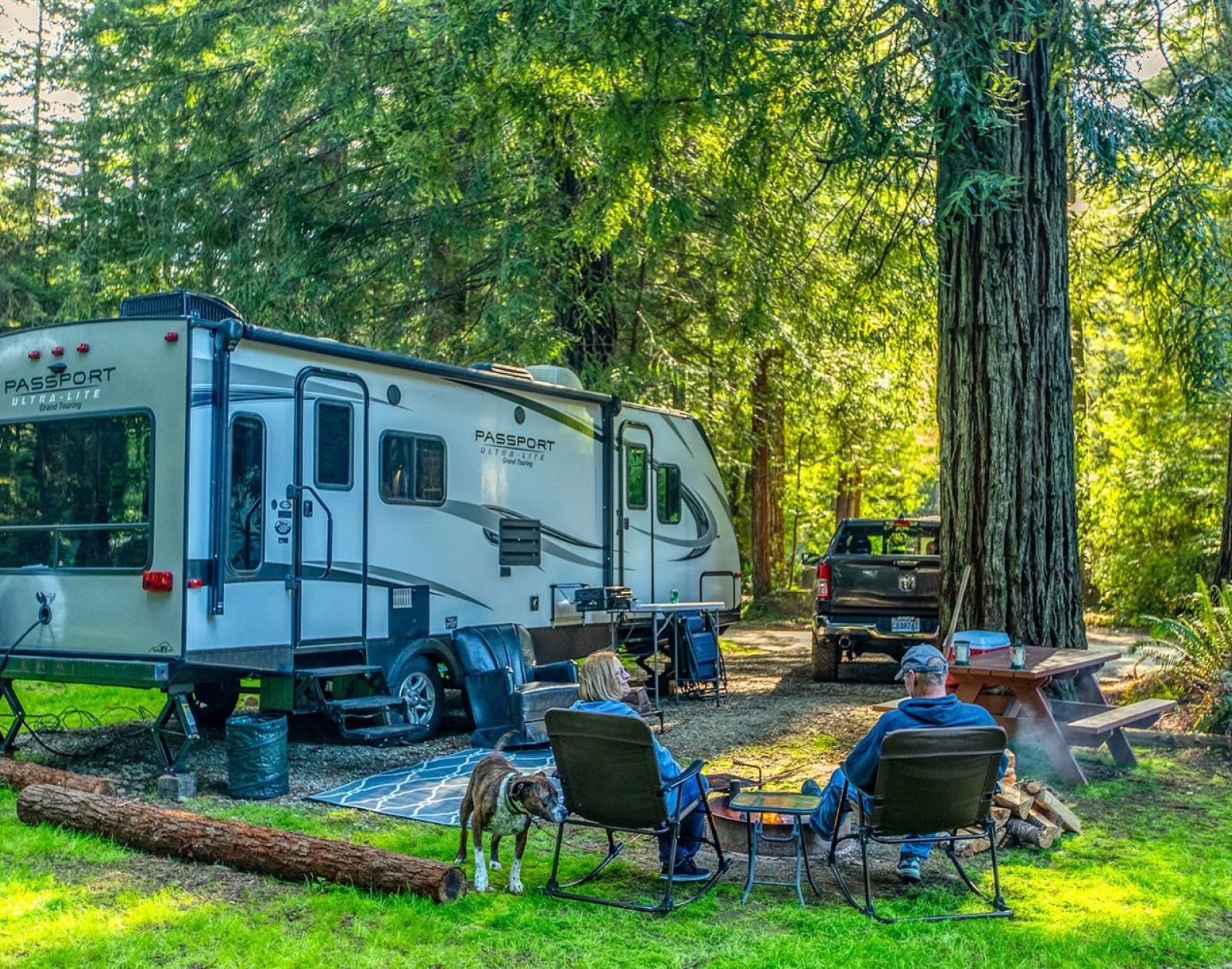
One of the best places to begin your search is Workamper.com. It’s specifically designed for RVers and seasonal travelers and allows you to browse listings by location, season, and job type. Many employers there understand the Workcamping lifestyle and clearly outline what’s included—pay, hours, campsite, utilities, and perks—so there are fewer surprises.
It also helps to use multiple websites at the same time. Sites like CoolWorks, Kamper Jobs, Workers on Wheels, and even Indeed often list opportunities that never appear elsewhere. Checking these sites regularly and setting up alerts can make a big difference.

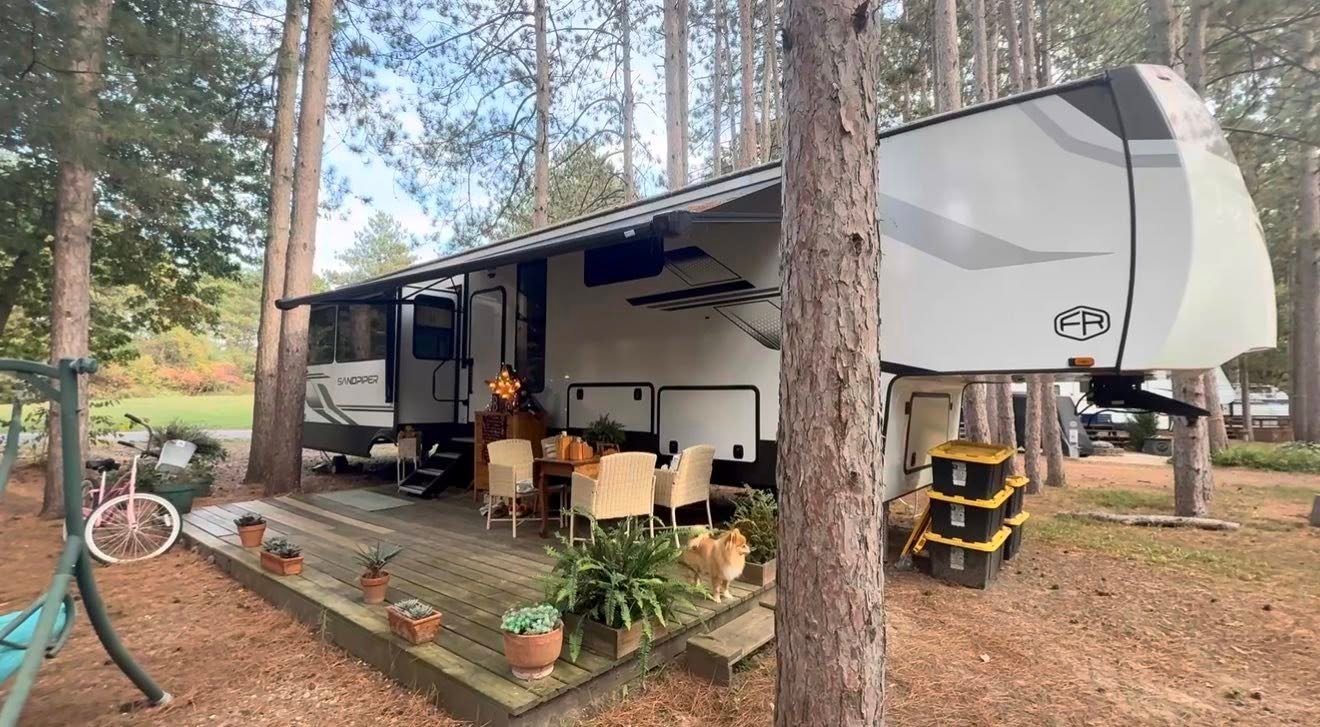
Another approach that works surprisingly well is contacting campgrounds directly. If you already know where you want to travel, reach out to RV parks, state parks, and campgrounds along your route. Many smaller operations don’t always advertise publicly but are happy to talk when someone shows interest early.
Having a Workcamper-friendly resume ready is key. Employers want to know you’re reliable, flexible, and comfortable with a variety of tasks. Even if you’ve never Workcamped before, customer service, maintenance, cleaning, and problem-solving experience all translate well.
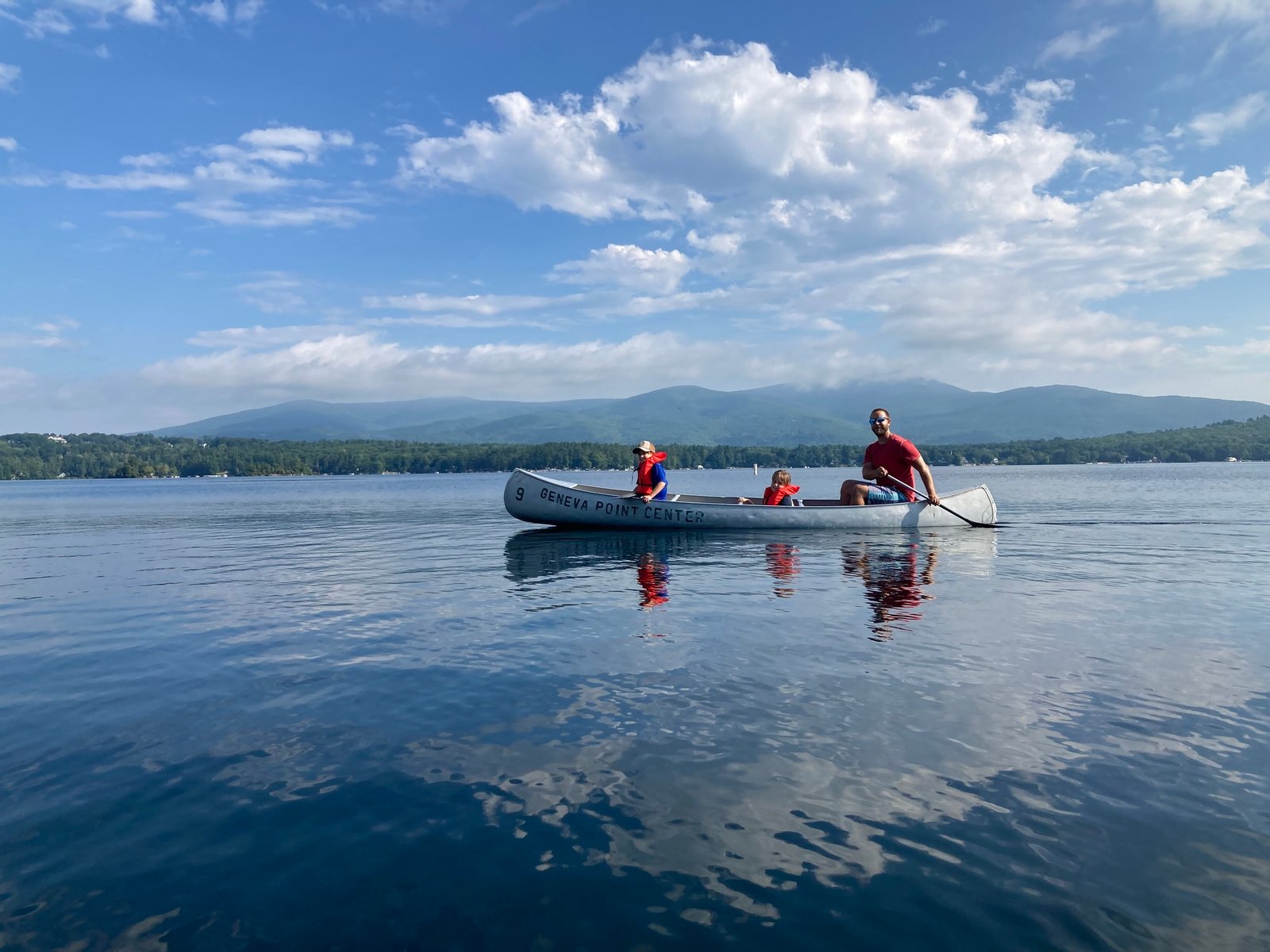
Finally, staying flexible opens doors. Some of the best Workcamping experiences come from jobs you didn’t originally plan on taking. Being open to different roles, locations, or start dates can lead to better opportunities—and sometimes even longer stays or return invitations.
Workcamping isn’t just about finding a job. It’s about finding the right fit for your travel style, your comfort level, and the kind of experience you want on the road.

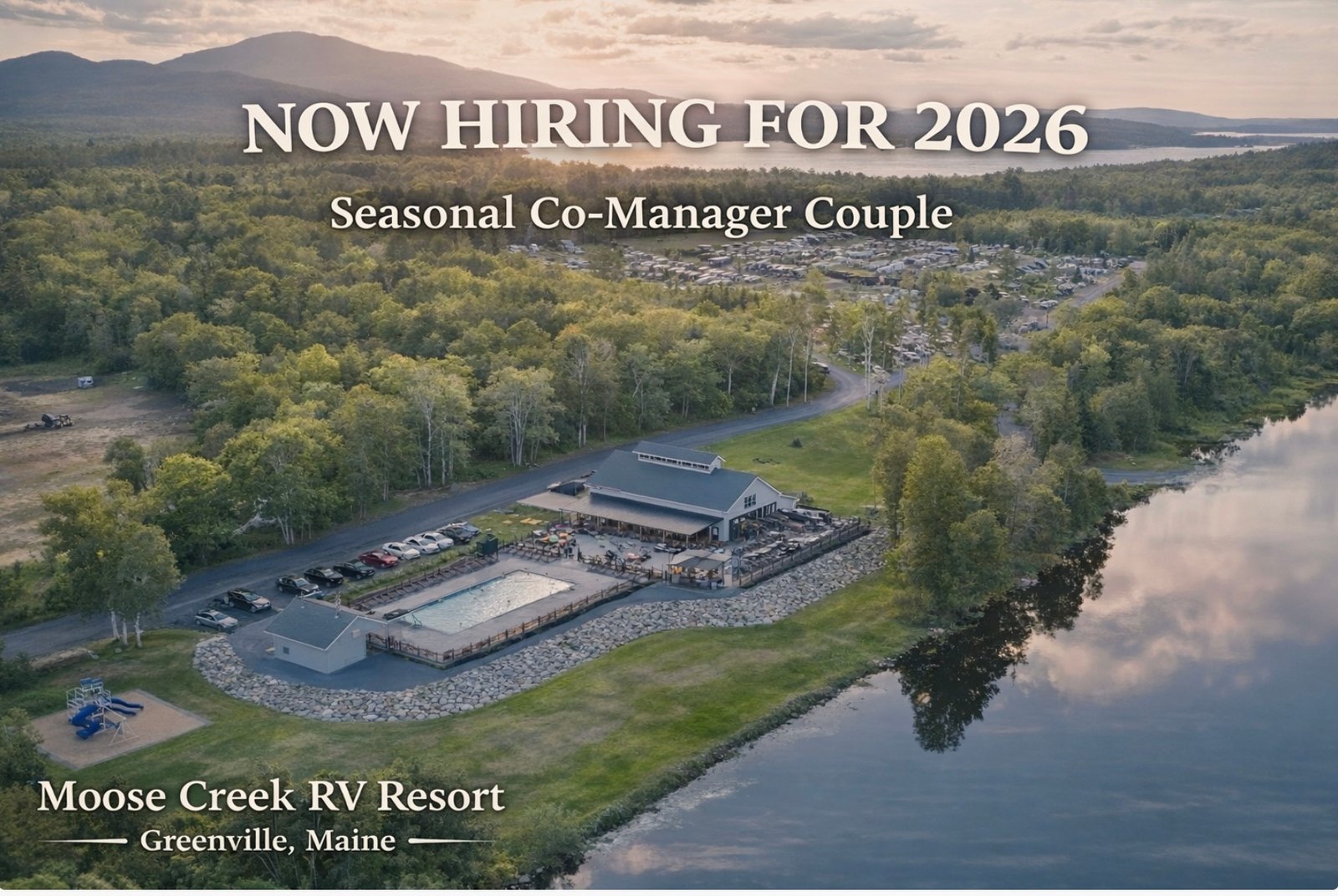
Is Workcamping Right for You?
Workcamping isn’t just a job—it’s a lifestyle choice. And like any lifestyle, it works beautifully for some people and not so much for others. The key is being honest with yourself about what you want from your time on the road.
If you enjoy meeting new people, adapting to new environments, and having a flexible routine, Workcamping can be incredibly rewarding. It’s a great fit for travelers who value experiences over possessions and don’t mind rolling up their sleeves when needed. Many Workcampers love the sense of purpose that comes from being part of a campground or community, even if it’s just for a season.


Workcamping can also be ideal if you’re looking to stretch your travel budget. Free campsites, utilities, and added perks can significantly reduce expenses, making long-term travel more realistic and less stressful. If you like the idea of working part-time while still having plenty of time to explore, relax, and enjoy where you are, this lifestyle offers that balance.
That said, Workcamping does require flexibility and patience. Schedules can change, weather can impact workloads, and not every job will be glamorous. You may work weekends, holidays, or peak travel days, and sometimes the work is more physical than expected. Being adaptable and keeping a positive attitude goes a long way.
Ultimately, Workcamping is best suited for people who see change as an adventure rather than an inconvenience. If you’re open-minded, enjoy learning as you go, and like the idea of combining work with travel, Workcamping might just be one of the most fulfilling ways to experience the road.

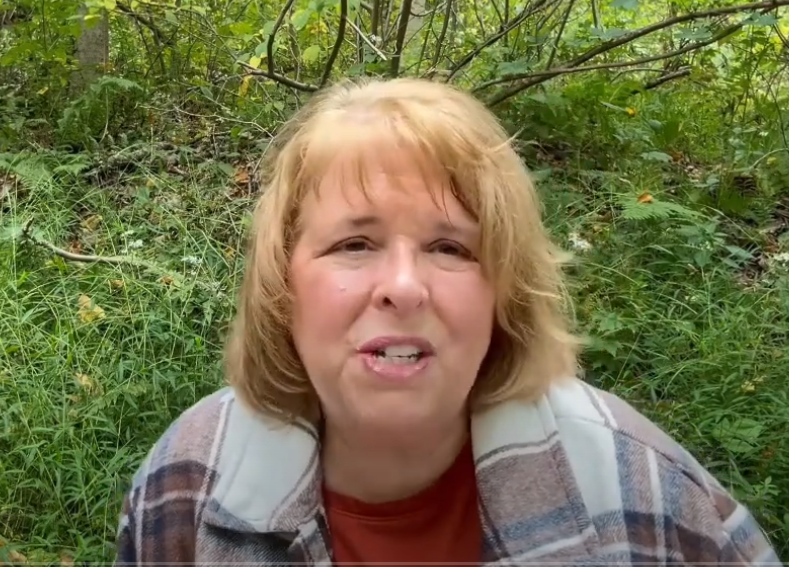
Until next time!
Susan
Finals Thoughts
The more I research Workcamping, the more I realize why so many RVers love this lifestyle. It’s flexible, it’s affordable, and it lets you experience some of the most beautiful places in the United States in a way ordinary tourists never can.
And with websites like Workamper.com, finding trustworthy opportunities has never been easier.
Who knows… maybe one day I’ll pack up and become a Workcamper myself.
If you’ve ever dreamed about living on the road, this might be the sign you’ve been waiting for.