


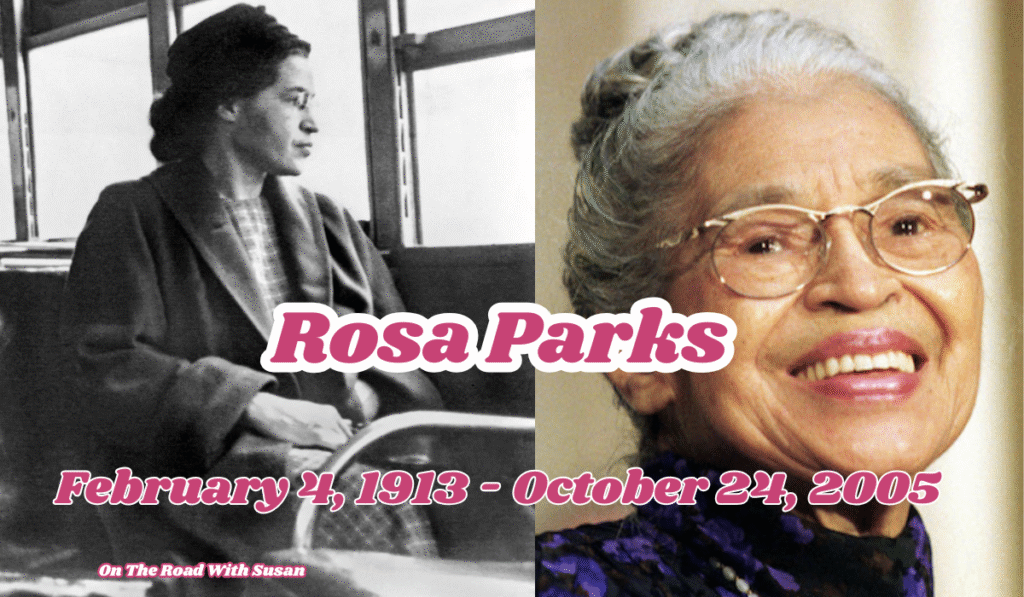
The Woman Who Sat Down and Sparked a Movement
When we think about heroes in American history, our minds often jump to bold speeches, marches, and sweeping acts of protest. But sometimes history is transformed by something much quieter—an act of calm, steady courage. Rosa Parks, often called “the mother of the civil rights movement,” reshaped a nation by choosing not to stand.

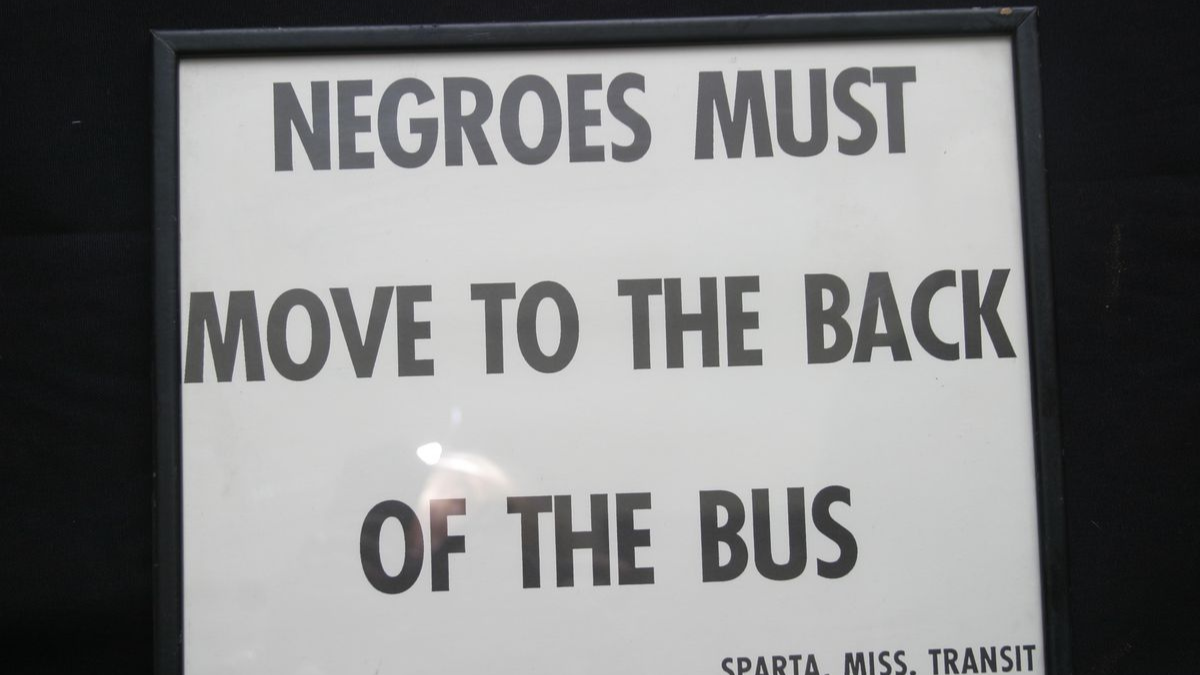
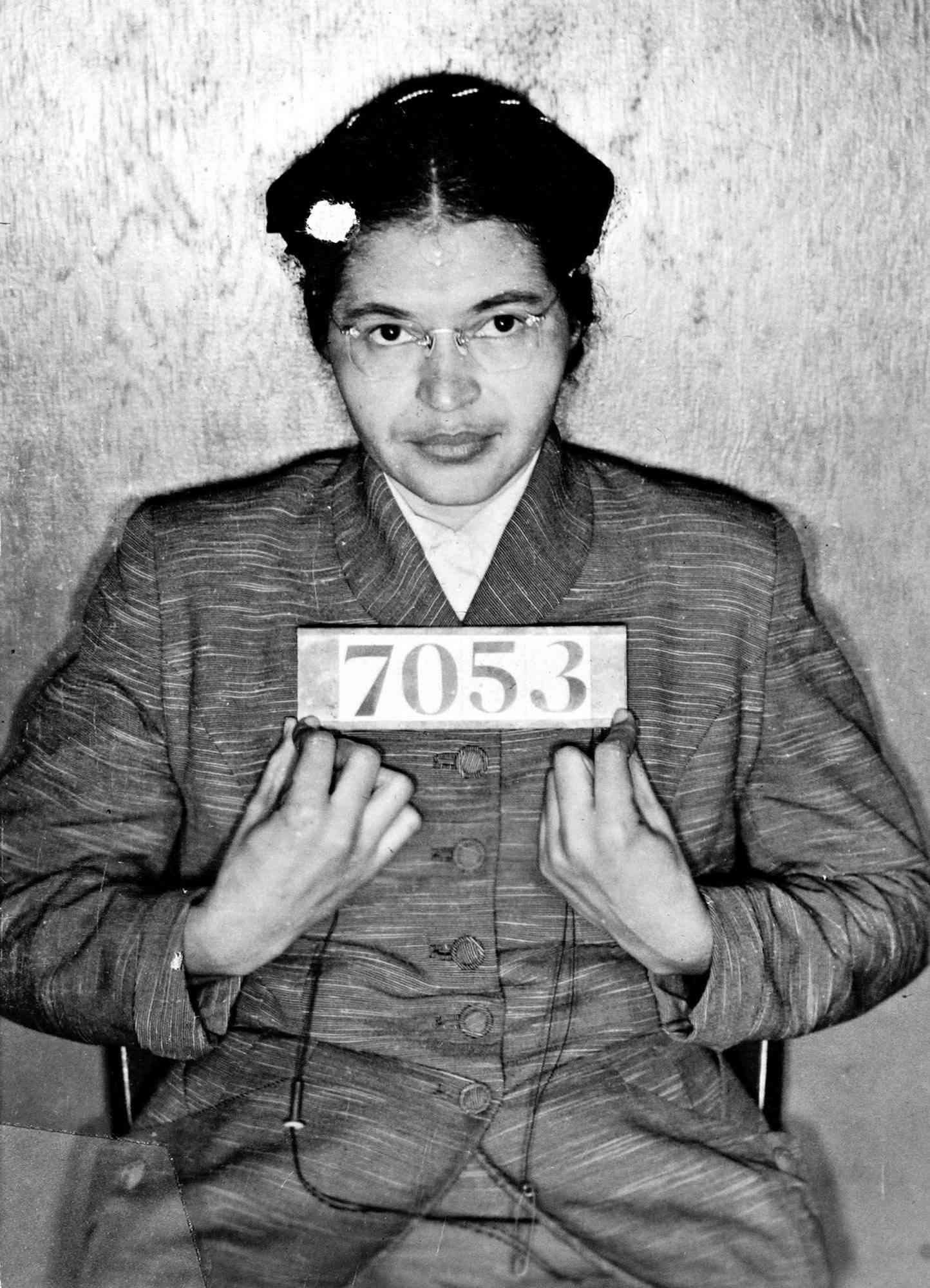
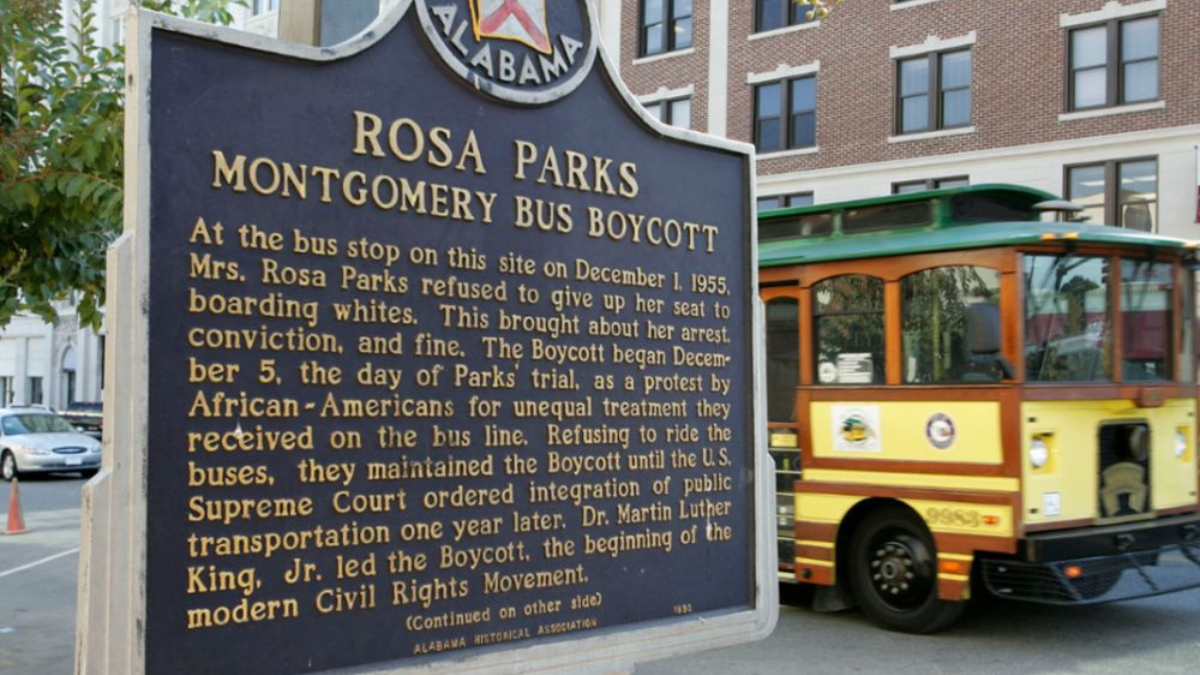
On December 1, 1955, in Montgomery, Alabama, Rosa Parks boarded a city bus after finishing her workday as a seamstress at the Montgomery Fair department store. She took a seat in the section designated for Black passengers. As the bus became crowded, the driver demanded that she—and three other Black passengers—give up their seats so white riders could sit.


But Rosa Parks stayed seated.
It wasn’t because she was tired, as the popular story often goes. She later said, “The only tired I was, was tired of giving in.”
That quiet refusal launched one of the most powerful social justice movements in American history.
A Lifetime of Courage Before the Bus
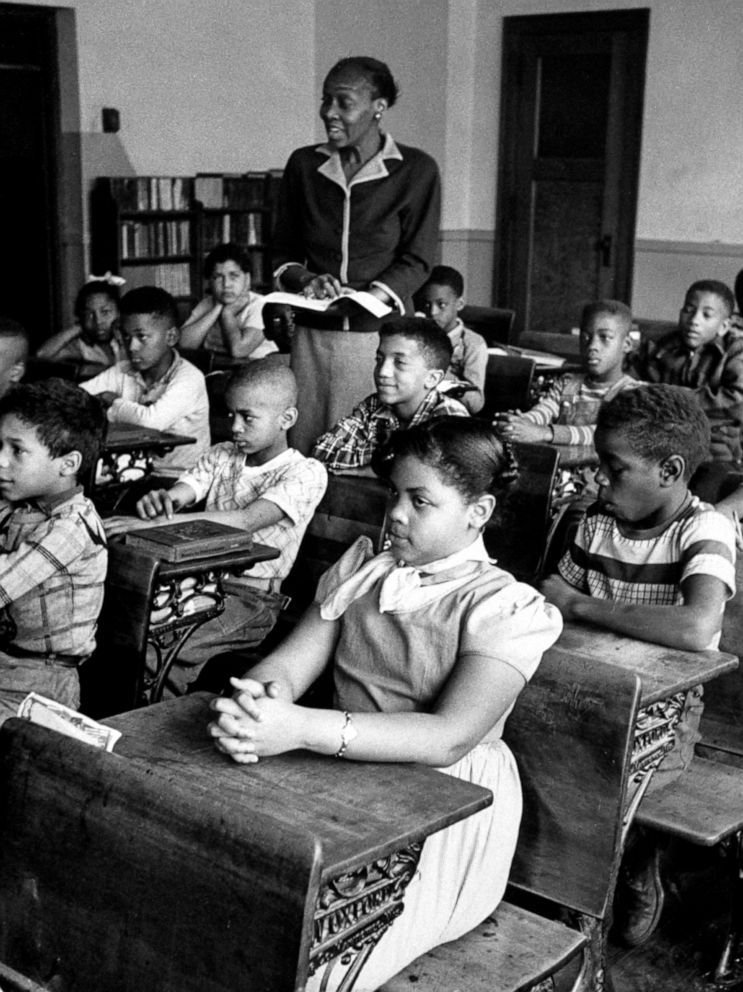
Rosa Parks’ story didn’t begin—or end—with that famous bus ride. Born on February 4, 1913, in Tuskegee, Alabama, she grew up in the deeply segregated South. Her early years were shaped by Jim Crow laws, discriminatory schools, and the constant threat of racial violence.

She learned courage from her family. Her grandfather, a former enslaved man, often guarded their home at night with a shotgun, refusing to accept intimidation from white supremacists in the area. Rosa carried that same quiet boldness into adulthood.

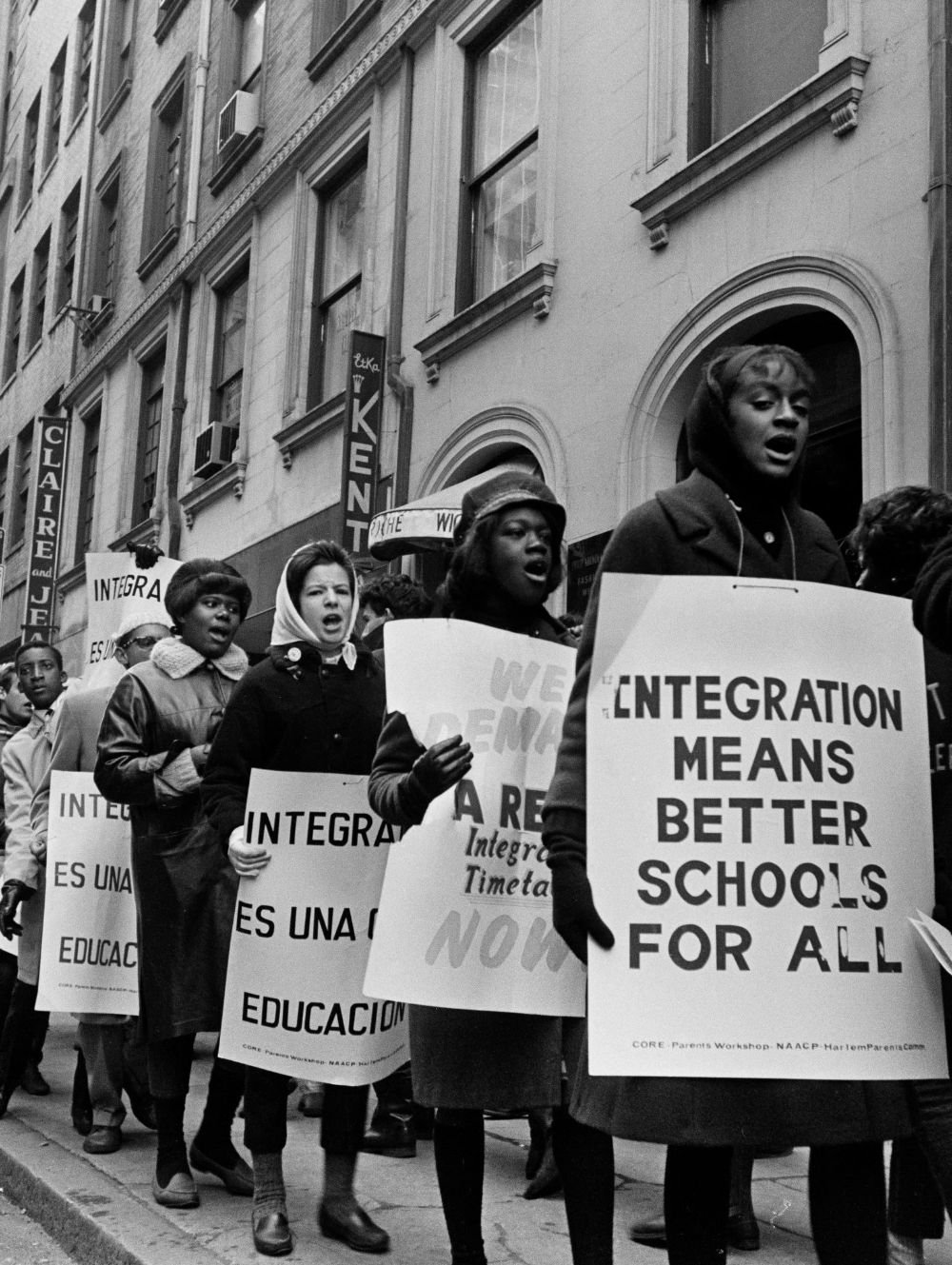
Long before 1955, she and her husband, Raymond Parks, were deeply involved in civil rights efforts. Rosa became the secretary of the Montgomery chapter of the NAACP—a position she held for more than a decade. She investigated cases involving racial injustice, including assaults, wrongful arrests, and discrimination that went unchallenged in the courts. She fought for justice, even when speaking out placed her own safety at risk.

The Montgomery Bus Boycott
After her arrest, local civil rights leaders—including a young pastor named Dr. Martin Luther King Jr.—saw an opportunity to demand change. They organized a bus boycott that would last 381 days.
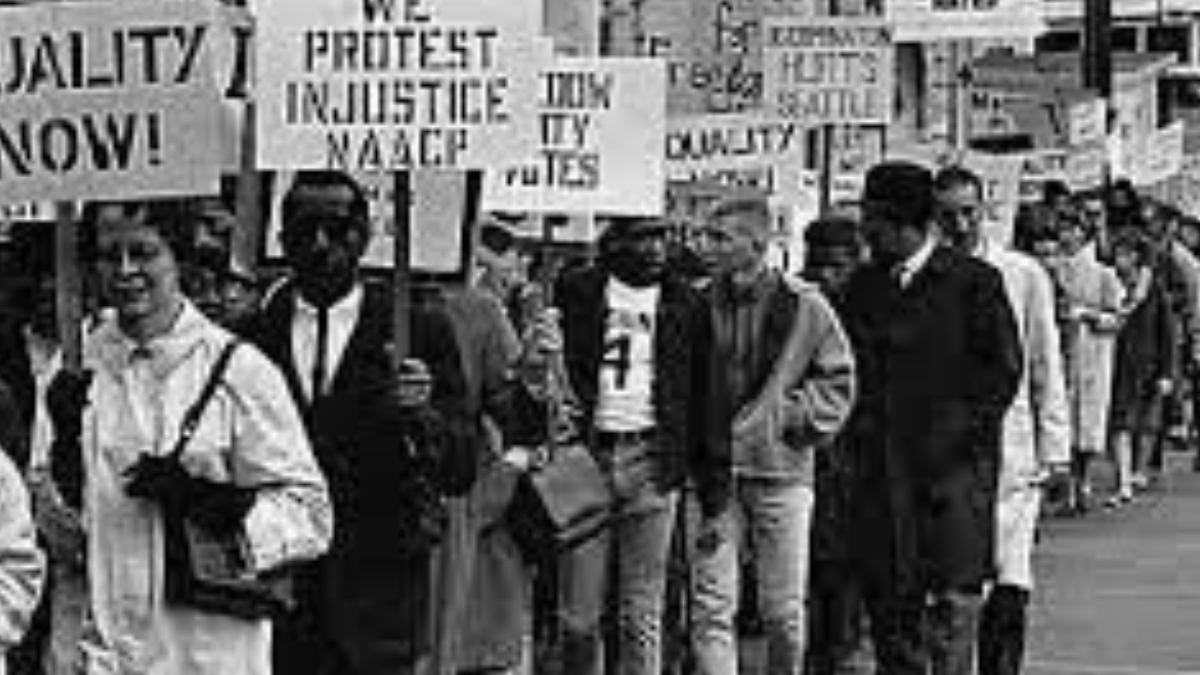
African Americans, who made up the majority of Montgomery’s bus riders, refused to use the system. They walked, carpooled, organized community rides, and supported one another through rain, heat, and personal sacrifice.
Their commitment worked.
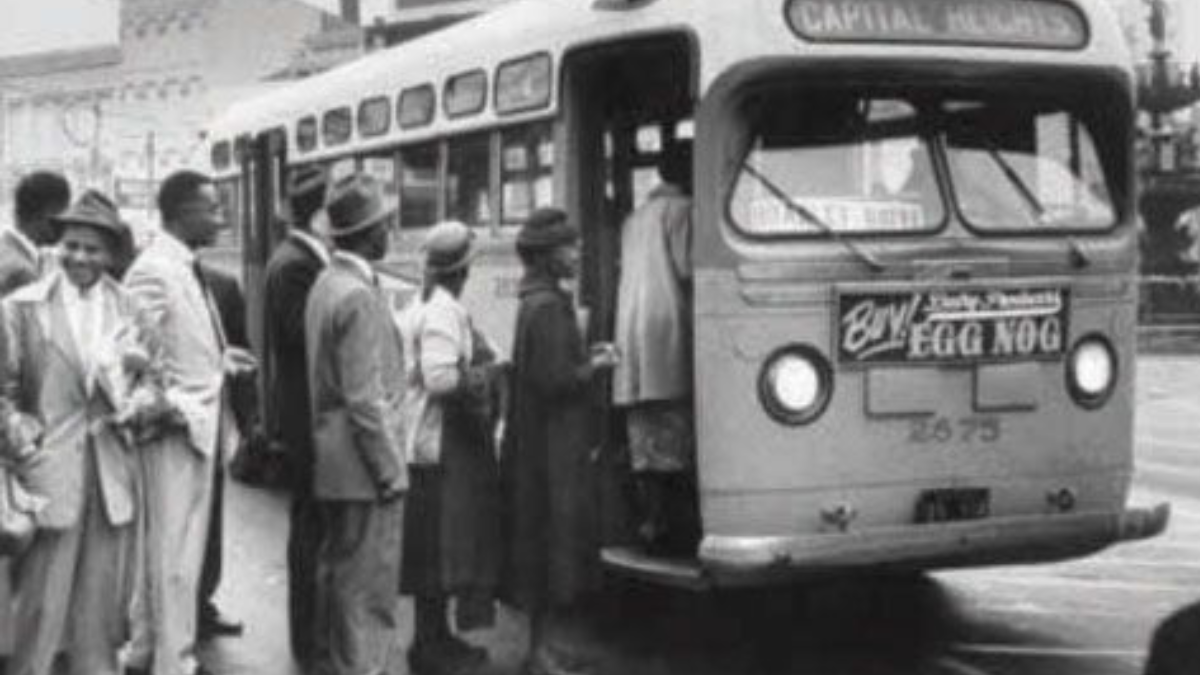
In November 1956, the U.S. Supreme Court ruled that segregated seating on public buses was unconstitutional. The boycott ended, marking one of the earliest major victories of the modern civil rights movement.
Rosa Parks’ bravery had sparked a national shift.
While Rosa was celebrated internationally, life in Montgomery became dangerous. She received threats, lost her job, and struggled to find stable work. Eventually, she and her family moved to Detroit, where she continued her lifelong activism.

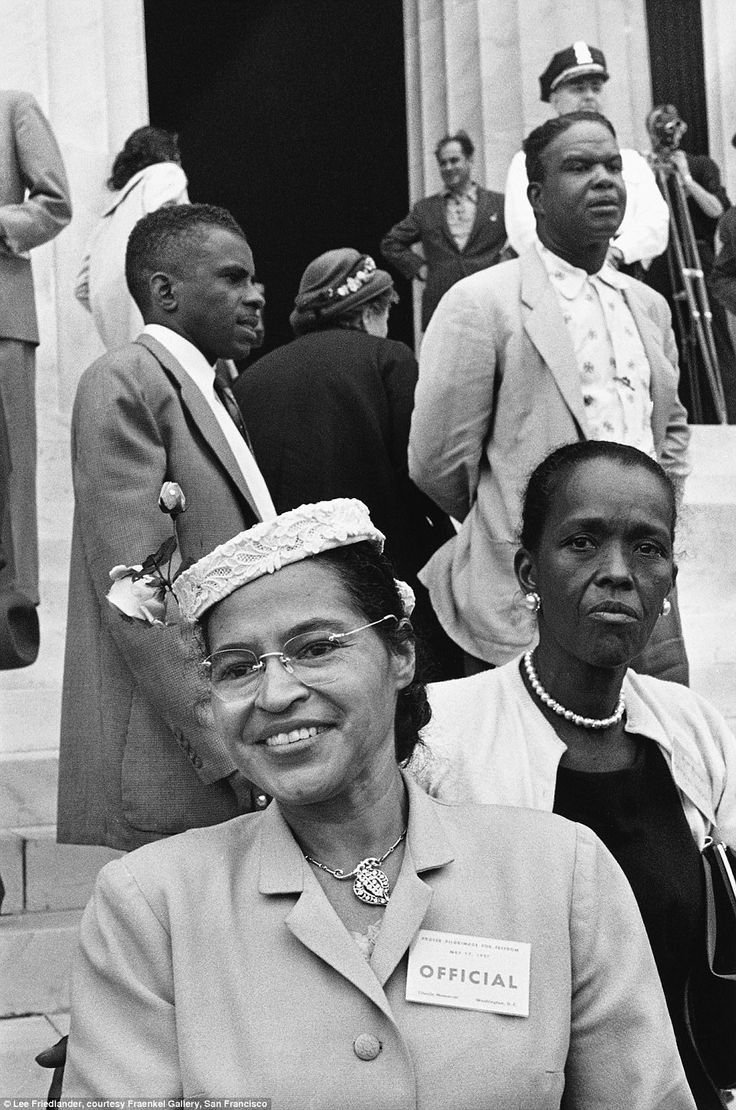
In Detroit, Rosa Parks advocated for:
Housing equality
Voter rights
Prisoner justice
Youth education and mentorship
The rights of Black women and girls
She worked as a secretary and receptionist for Congressman John Conyers Jr. for more than 20 years, helping constituents navigate issues in their communities.
Rosa Parks never stopped fighting for fairness, dignity, and equality.
Life After the Boycott

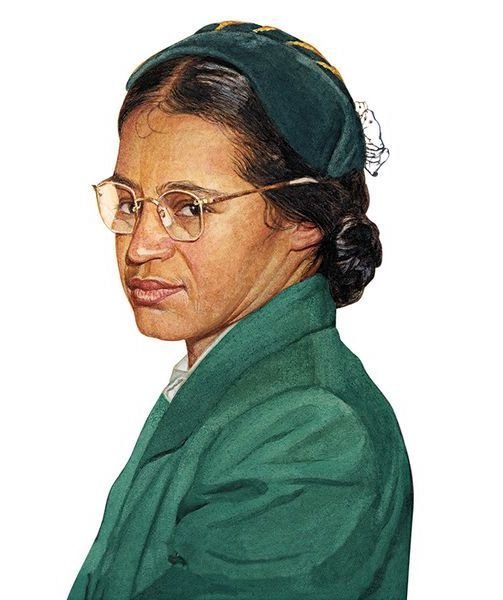
Legacy and Honors
Rosa Parks’ legacy reaches far beyond a single event. Her act of resistance became a symbol of hope and empowerment for generations.

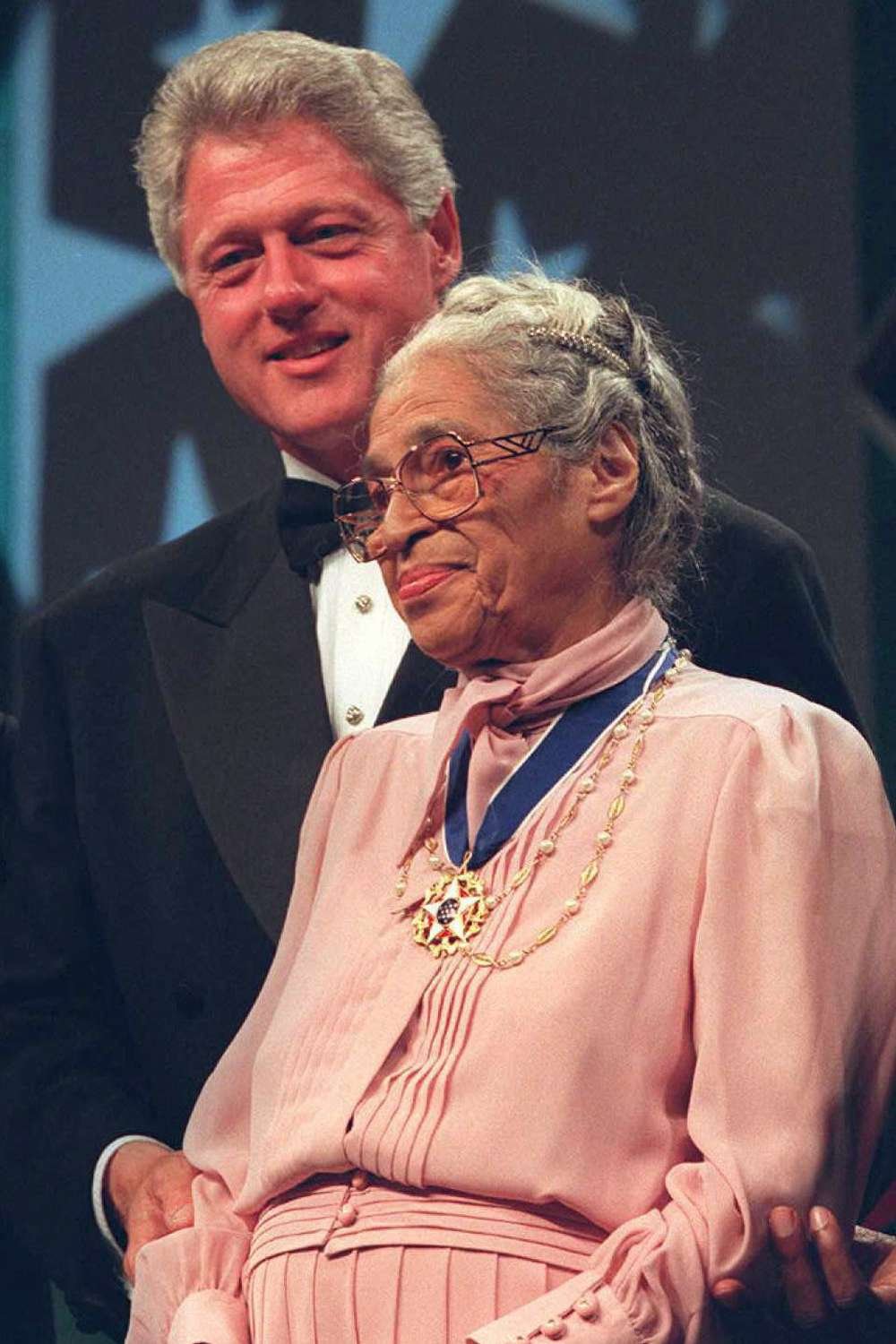
Some of her many honors include:
The Presidential Medal of Freedom (1996)
The Congressional Gold Medal (1999)
A statue in the U.S. Capitol’s National Statuary Hall (2013)
Rosa Parks Day celebrated annually in several states
Schools, libraries, streets, and even a section of the bus she rode preserved in her memory
When she passed away in 2005, Rosa Parks became the first woman in American history to lie in honor in the U.S. Capitol Rotunda—a powerful testament to the impact of her courage.

Why Her Story Still Matters
Rosa Parks reminds us that ordinary people can do extraordinary things. She didn’t set out to become a symbol. She simply believed she had the right to fairness, dignity, and respect.

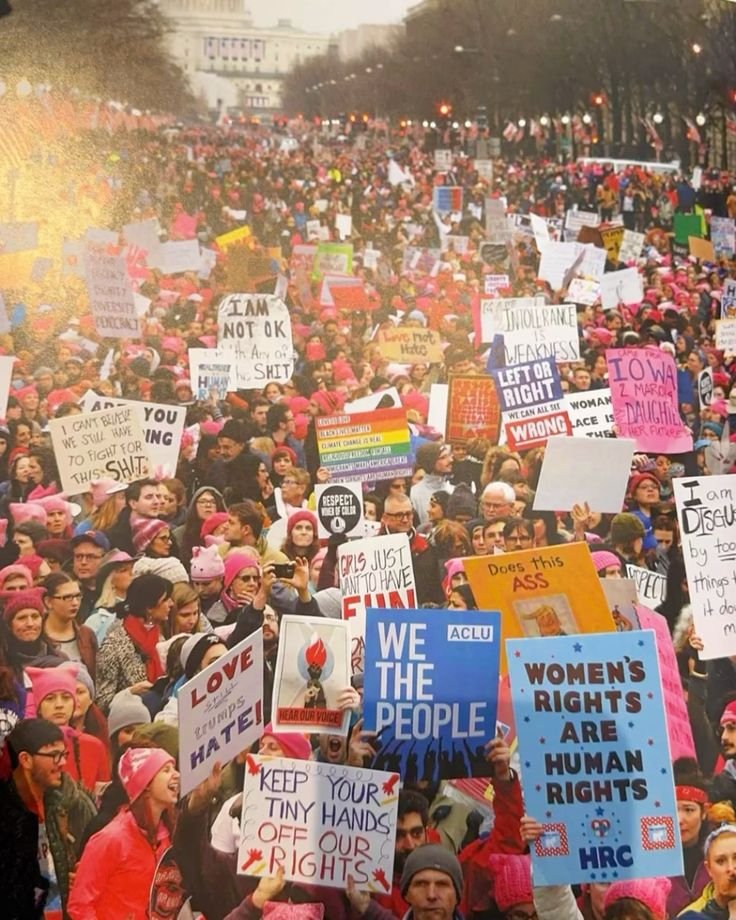
Her story continues to inspire:
Young people learning to use their voices
Women breaking barriers in male-dominated spaces
Activists fighting for equity and justice
Anyone who has ever felt small, unheard, or overlooked
Rosa Parks showed the world that bravery doesn’t always roar. Sometimes, it sits quietly—and refuses to move.


My Final Thoughts
As I look back on Rosa Parks’ story, I’m reminded that history isn’t always shaped by grand gestures or loud voices. Sometimes, it’s shaped by a single quiet moment—one woman choosing dignity over fear, courage over compliance. Rosa Parks didn’t set out to become a symbol; she simply believed she deserved to be treated with respect. And because she stood firmly in that belief, the world shifted.
Her legacy encourages each of us to find our own moments of courage—whether it’s speaking up, standing firm, or simply choosing what is right when it isn’t easy. On this National Rosa Parks Day, may we honor her not just by remembering her story, but by carrying her spirit of strength, justice, and perseverance into our own lives.
Rosa Parks showed us that one person truly can make a difference. And that’s a powerful reminder, no matter what era we’re living in.
Until Next Time!
Susan