


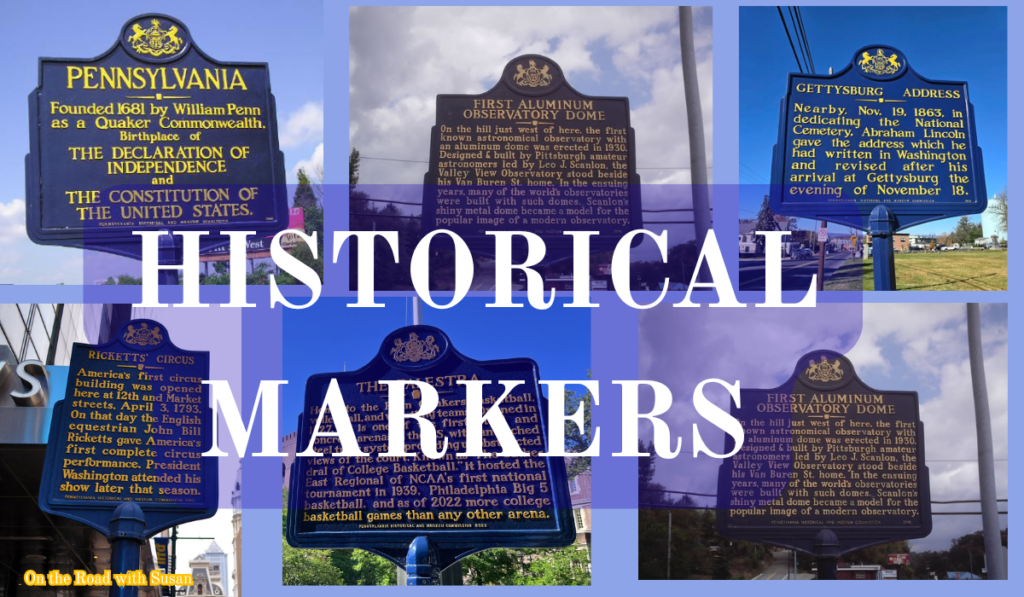
Discovering the Stories Along the Road
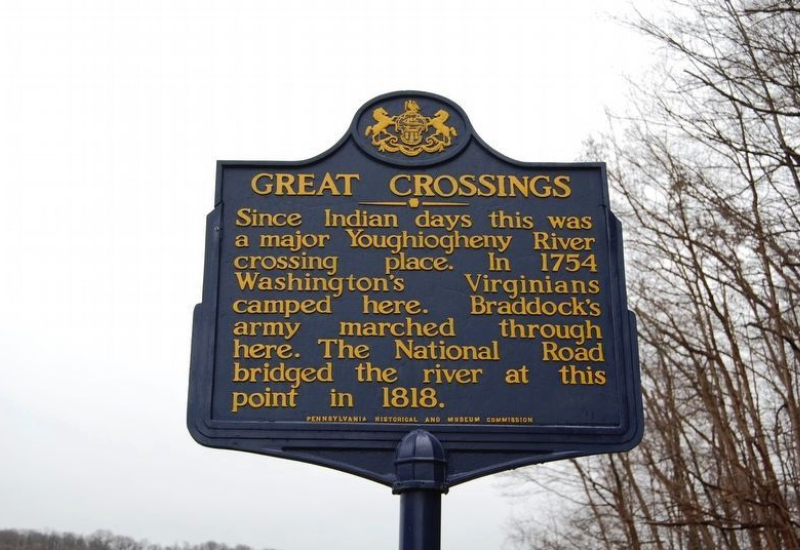
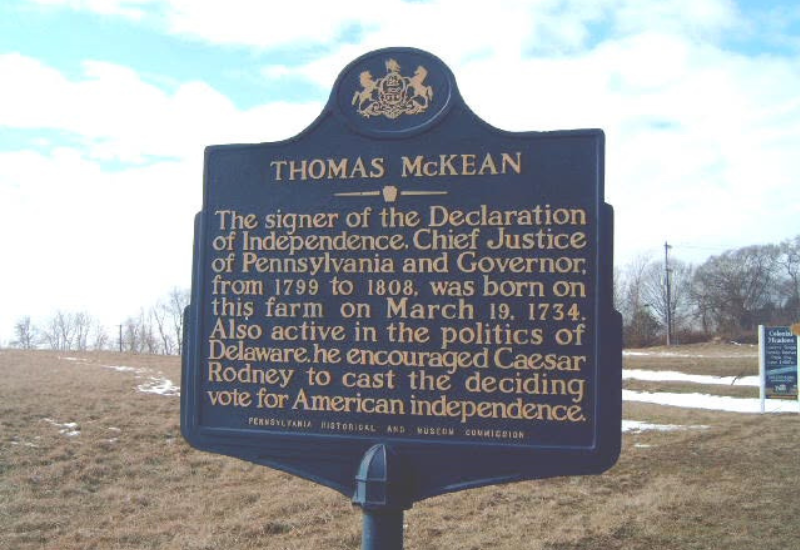
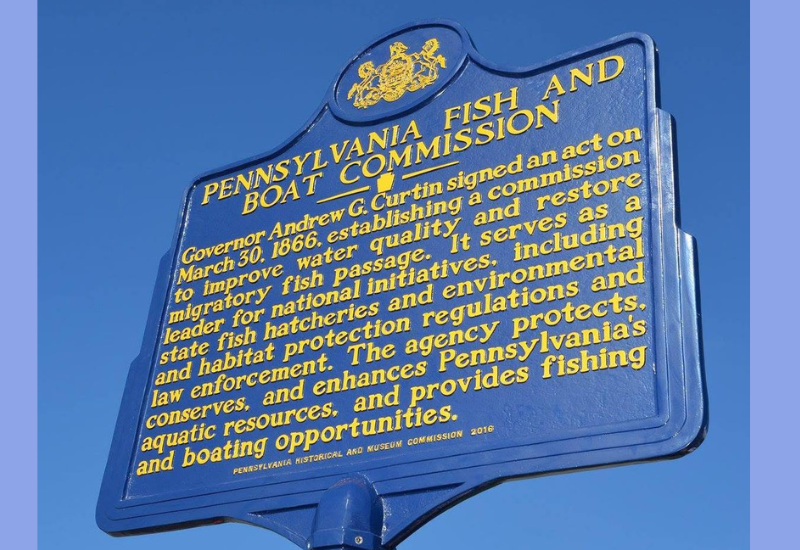
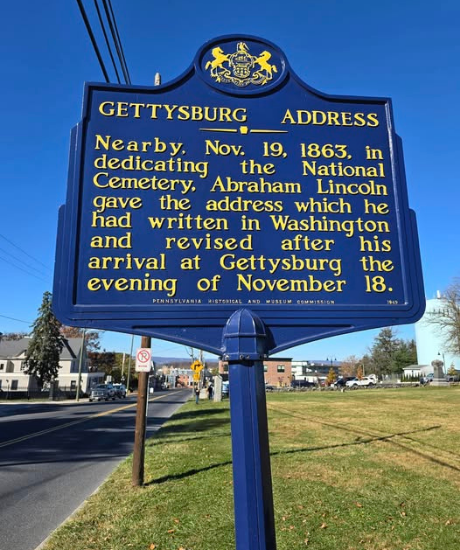
When I am traveling through Pennsylvania, I am always watching for those familiar blue-and-gold signs along the road.
Sometimes a marker stands in the center of a busy city. Others can be found along quiet country roads, in small towns, beside old churches, near former factories, or outside buildings that most people pass without a second glance.

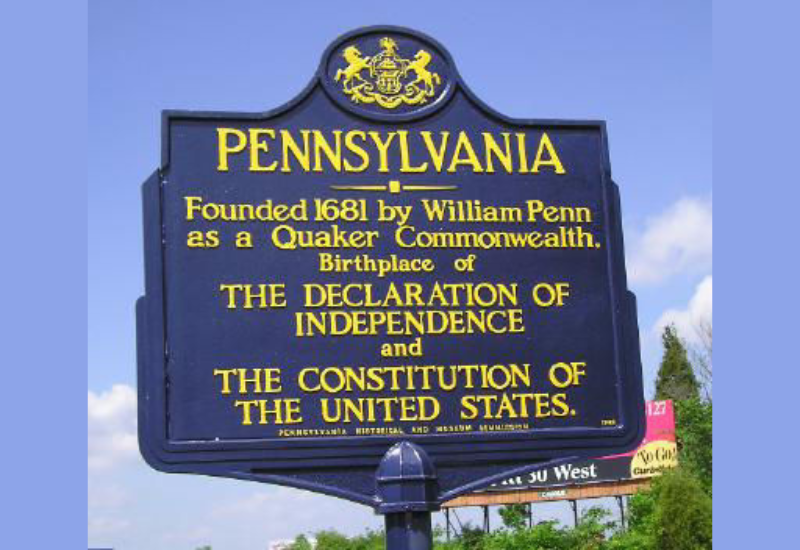
Each one tells us that something important happened here.
Pennsylvania’s historical markers identify the people, places, events, organizations, and innovations that have contributed to the story of the Commonwealth. They remind us that history did not happen only in Philadelphia or Gettysburg. It happened in mining communities, steel towns, farming villages, mountain settlements, and neighborhoods all across the state.
How Many Pennsylvania Historical Markers Are There?
According to the Pennsylvania Historical & Museum Commission, commonly known as the PHMC, there are currently nearly 2,600 cast-aluminum historical markers located across Pennsylvania’s 67 counties.
The number is usually described as “nearly 2,600” instead of an exact fixed total because the collection continues to change. New markers are approved and installed, while existing markers may be repaired, relocated, revised, or occasionally retired.
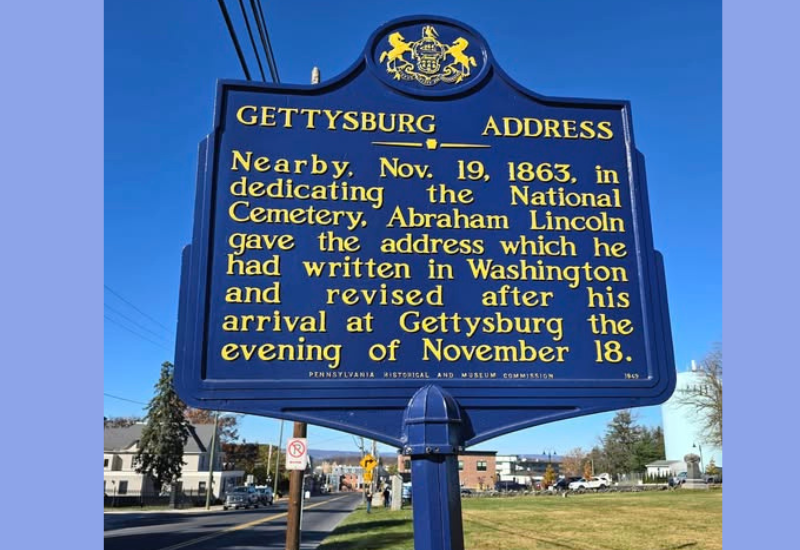
These markers cover an incredible range of subjects, including:
- Native American history
- Early settlement and colonial history
- The American Revolution
- The Civil War
- Government and politics
- Industry and manufacturing
- Coal, oil, railroads, and steel
- Science, medicine, and technology
- Agriculture and transportation
- Civil rights and social justice
- Women’s history
- Artists, writers, athletes, and entertainers
- Historic businesses and organizations
- Inventions and innovations
- Events that influenced Pennsylvania and the nation
The official Pennsylvania Historical Marker Program describes the markers as starting points for learning. A marker cannot tell an entire story in a few sentences, but it can introduce us to a person or event we may never have known about otherwise.
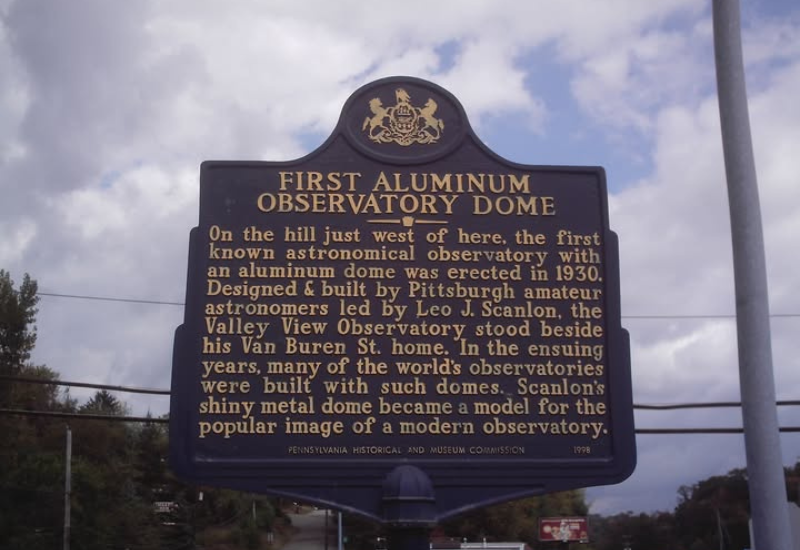
A Statewide Open-Air Museum
Pennsylvania’s historical markers turn the state into one enormous outdoor museum.
You do not need to buy a ticket or walk through a museum entrance. You may encounter history while driving to work, exploring a small town, walking through a city neighborhood, or stopping at a roadside park.
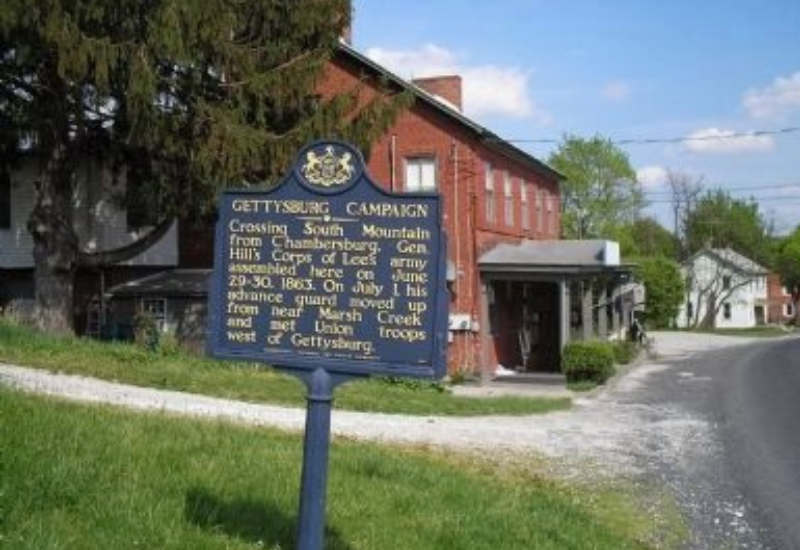
Some markers commemorate nationally recognized stories, such as the founding of the United States, the Battle of Gettysburg, the Underground Railroad, and Pennsylvania’s industrial heritage. Others introduce us to lesser-known people and events whose influence reached far beyond their hometowns.
Those smaller and less familiar stories are often the ones I find most interesting.
A marker might lead me to research a woman who quietly changed her profession, an immigrant who created a successful business, an invention produced in a Pennsylvania factory, or a community that played an unexpected part in a national movement.
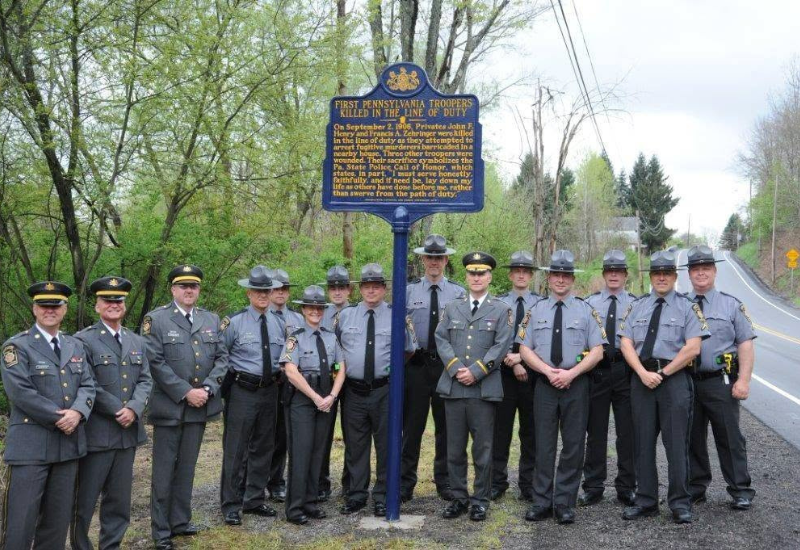
Pennsylvania’s Historical Marker Program
Pennsylvania has been officially marking historically important locations for more than a century. Today, the statewide program is administered by the Pennsylvania Historical & Museum Commission through the Pennsylvania State Historic Preservation Office.
The program is public-driven. Individuals, historical societies, local governments, nonprofit organizations, community groups, and other interested parties may propose subjects.
The PHMC has also made it a goal to recognize histories and geographical areas that have traditionally been underrepresented. That opens the door for communities to bring forward stories involving women, African Americans, Native Americans, immigrants, laborers, LGBTQ+ Pennsylvanians, people with disabilities, and other groups whose contributions may not have received proper recognition in the past.
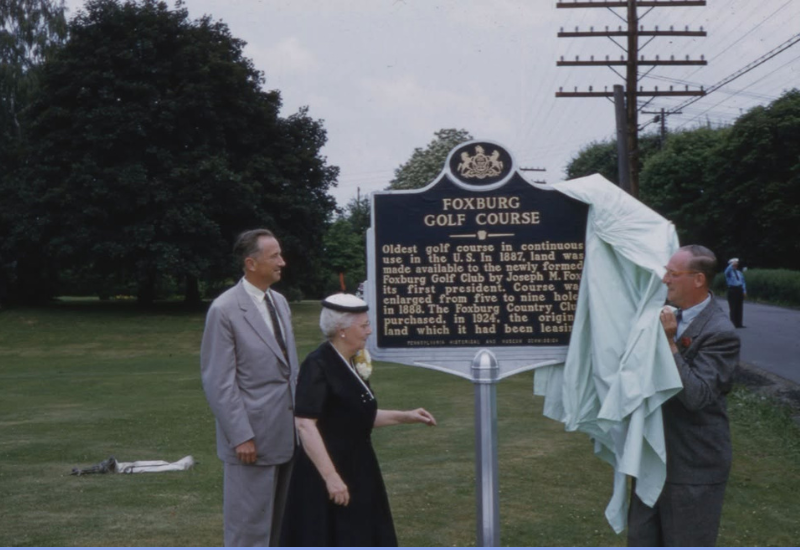
What Qualifies for a New Pennsylvania Historical Marker?
Getting a Pennsylvania historical marker approved takes much more than proving that a person or place is old.
The subject must meet the official criteria adopted by the PHMC. Most importantly, the nomination must show that the subject had a meaningful impact beyond the immediate community.
Here are the principal requirements in plain language.
1. The Nomination Must Be Well Researched
The application must be clear, organized, and supported by reliable documentation.
A nomination should include primary and secondary sources, a bibliography, copies or relevant excerpts from important sources, and enough evidence to verify the claims being made.
Family stories, local legends, unsourced websites, promotional material, and newspaper clippings by themselves may not be enough. The research must demonstrate that the story is historically accurate.
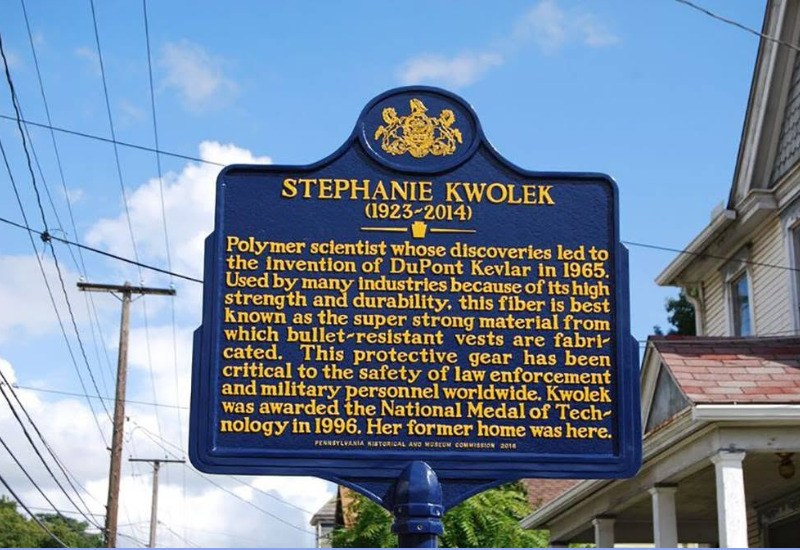
2. The Subject Must Have Statewide or National Significance
This is one of the most important requirements.
The person, place, event, organization, or innovation must have had a significant impact during its time. Its importance must extend beyond one town, municipality, county, or region.
A building might be beloved locally, for example, but simply being the oldest building in town may not demonstrate statewide significance. The nomination must explain how the subject influenced Pennsylvania or the nation.
A local factory might qualify if it developed an important manufacturing process, supplied a nationally significant project, influenced an industry, or played an important role in labor history.
3. The Subject Must Have a Strong Pennsylvania Connection
The subject must be substantially connected to Pennsylvania.
A person does not necessarily need to have been born in Pennsylvania, but the historically significant work or event being recognized must have a meaningful relationship to the Commonwealth.
Additional Requirements
These are just a few examples of the requirements for receiving a Pennsylvania historical marker. Additional rules apply to living people, natural features, churches, cemeteries, subjects already recognized by other monuments, and properties listed on the National Register of Historic Places.
Before beginning a nomination, visit the official Pennsylvania Historical Marker Program website to review the complete list of requirements, current guidelines, application forms, and deadlines.
How to Find Pennsylvania Historical Markers
The PHMC provides an online historical-marker search connected to PA-SHARE. Travelers and researchers can search by subject, keyword, county, or municipality.
This makes it possible to plan an entire road trip around Pennsylvania history. You might create a route focusing on:
Women in Pennsylvania history
Railroad and transportation history
Pennsylvania’s industrial heritage
African American history
Revolutionary War locations
Famous inventions
Historic small towns
Pennsylvania artists and writers
Sports history
Labor and immigration history
The marker database can be accessed through the PHMC Historical Marker Program.
When visiting a marker, remember to pull completely off the road and park in a legal location before stopping to read or photograph it. Some markers stand along busy highways where stopping may not be safe.
Why These Markers Still Matter
Historical markers are small, but the stories behind them can be enormous.
They help communities preserve memories that might otherwise disappear. They recognize individuals whose accomplishments were overlooked. They connect familiar buildings and landscapes to the people who once lived, worked, struggled, invented, and created there.
They also remind us that our understanding of history continues to evolve. New research can provide additional context, correct old information, and bring neglected voices into Pennsylvania’s public story.
Residents of Pennsylvania may request a review of an existing marker if its wording is inaccurate, outdated, or missing important historical context. Depending on the circumstances, a marker may be corrected, revised, relocated, or retired.

My Final Thoughts
Pennsylvania’s historical markers encourage us to slow down and look more closely at the places around us.
A road that seems ordinary may have followed an early transportation route. An empty lot may once have held a nationally important factory. A modest house may have been the home of someone who changed history. A small Pennsylvania town may have played a role in a much larger American story.
That is what makes these markers so interesting to me. Each one is an invitation to discover more.
I have also created a special page here on my website where I will be sharing the Pennsylvania historical markers I locate during my travels. Each time I discover another marker, I plan to add information about its location, the history behind it, and photographs from my visit. Over time, I hope this page will become a helpful resource for anyone interested in exploring Pennsylvania’s history one marker—and one road trip—at a time.
The next time you see a blue-and-gold marker along a Pennsylvania road, take a moment to read it if you can stop safely. Write down the name, take a photograph, and look up the complete story later.
You may be surprised by what happened in a place you have driven past dozens of times.
Pennsylvania history is not confined to museums or textbooks. Nearly 2,600 pieces of it are waiting beside the road—and I look forward to discovering and sharing as many of them as I can.
Until Next Time!
Susan