


This Pennsylvania small town that gave the world its most joyful dessert.
and quietly shaped American culture along the way
Some towns announce themselves. Latrobe just quietly kept adding to America’s story until the list of things it started got too long to ignore. Tucked into the foothills of the Alleghenies about forty miles southeast of Pittsburgh, this town of roughly eight thousand people has, over the last century and a half, given the country a beloved children’s television host, a golf legend, a green-bottled beer that became a Western Pennsylvania icon, a contested claim to the birth of professional football — and, most deliciously, the banana split.

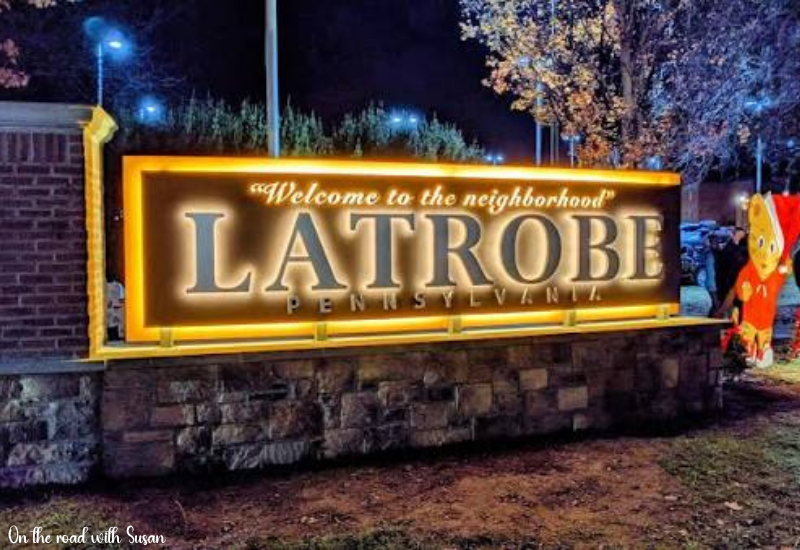
I’ve driven through Latrobe more times than I can count on my way into the Laurel Highlands, but it wasn’t until I slowed down and actually parked the car that I understood how much history is packed into these few downtown blocks. This is a town that rewards a stop, not just a pass-through.
A Railroad Town, Named for a Friend
Latrobe’s story begins with the Pennsylvania Railroad. In 1852, civil engineer Oliver Barnes laid out plans for a new community along the rail line, and two years later the settlement was officially incorporated as the Borough of Latrobe. Barnes named the town not for himself, but for his college classmate and close friend, Benjamin Henry Latrobe II — chief engineer of the Baltimore and Ohio Railroad, and son of the architect Benjamin Henry Latrobe, who helped rebuild the U.S. Capitol after the War of 1812.

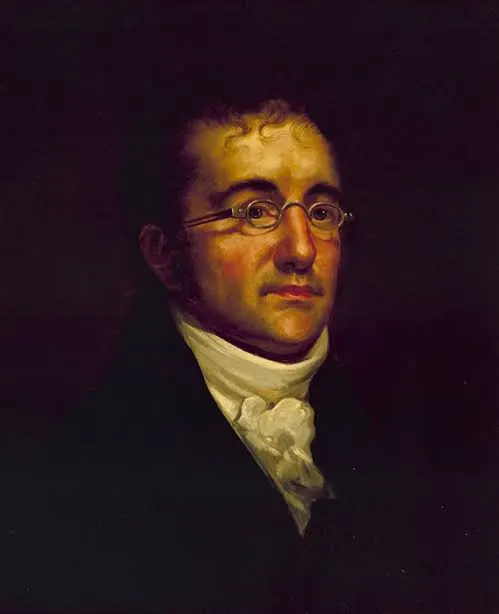
Benjamin Henry Latrobe
The railroad connection turned Latrobe into a genuine industrial hub through the late 1800s and early 1900s, and that same foot traffic — students, travelers, salesmen, railroad workers passing through — is part of what set the stage for the town’s most famous invention.
It’s a remarkable amount of American cultural history to come out of one small Westmoreland County town — and that’s before we even get to the ice cream.
Birthplace of the Banana Split
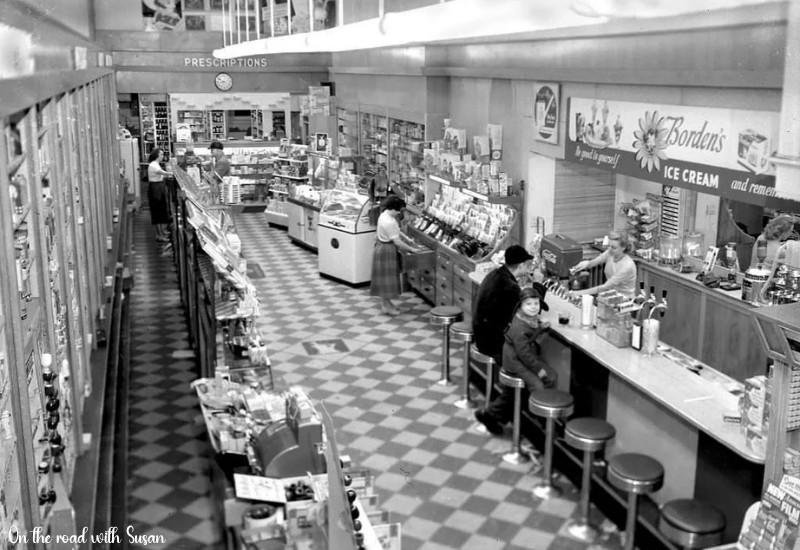
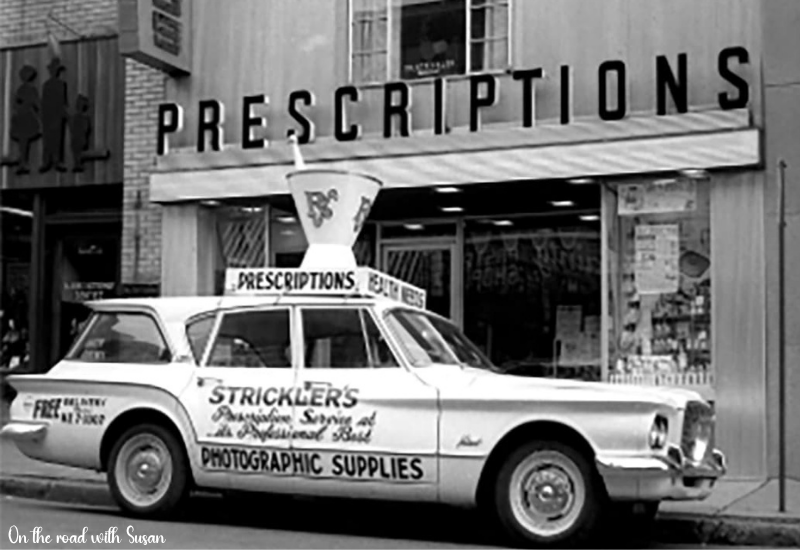
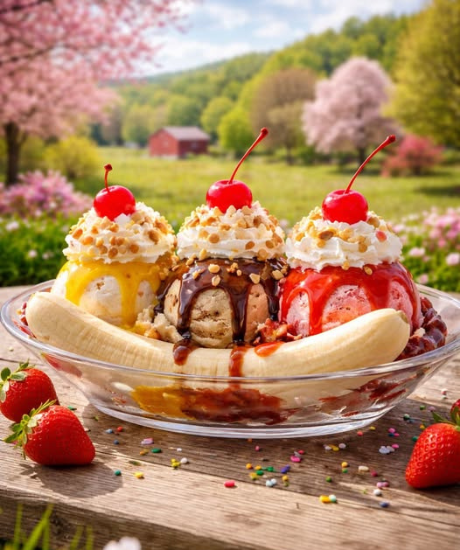
In the summer of 1904, David Strickler was working as an apprentice pharmacist at Tassell Pharmacy on Ligonier Street — the kind of drugstore that, in that era, doubled as the neighborhood soda fountain. He was only twenty-three, and by most accounts he was simply looking for a way to stand out from the usual sundae. So he took a banana, sliced it lengthwise, and laid the halves in a long dish. Between them he placed three scoops of ice cream — vanilla, chocolate, and strawberry — each dressed with its own syrup, then finished the whole thing with whipped cream, chopped nuts, and a cherry on top.
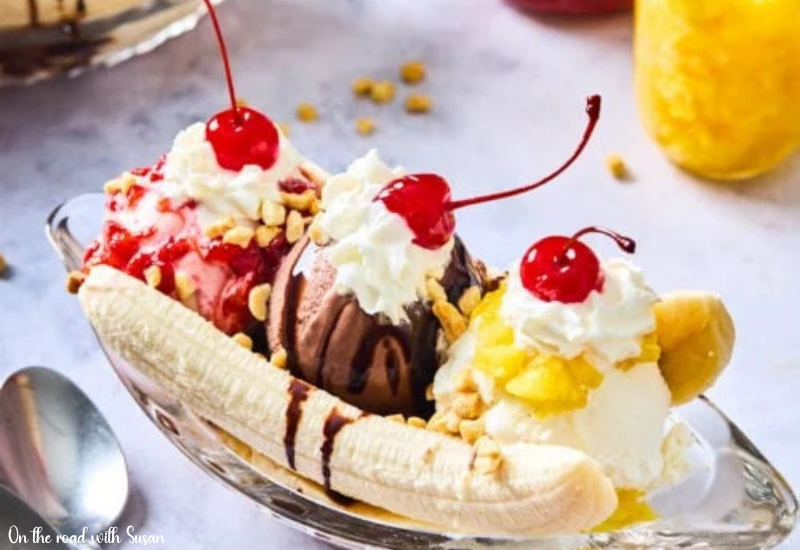
Dr. Dave's Original Creation
Strickler’s invention was an instant hit with students from nearby Saint Vincent College, who nicknamed it “Dr. Dave’s.” He charged ten cents for it — double the price of an ordinary sundae — and it sold anyway. Strickler even designed the long, narrow glass “boat” dish still used for banana splits today, having it custom made at the Westmoreland Glass Company in nearby Grapeville.
When those Saint Vincent students went home for the summer, they carried the recipe back to soda fountains across the country — and an American dessert institution was born.
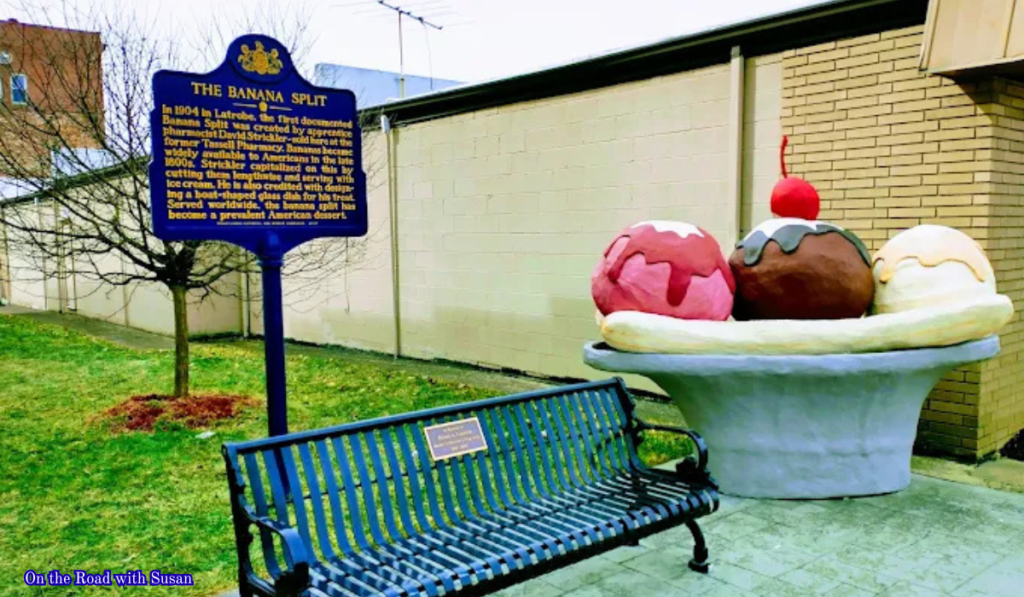
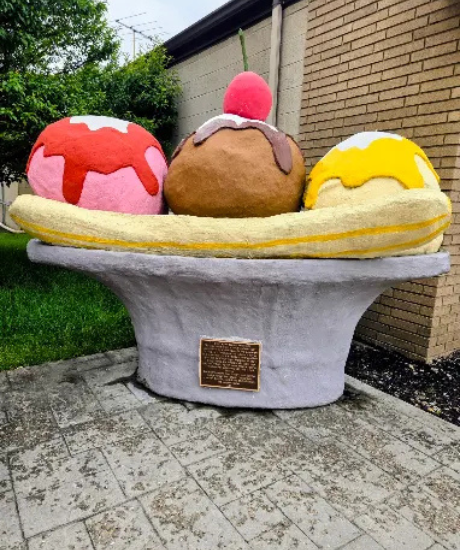
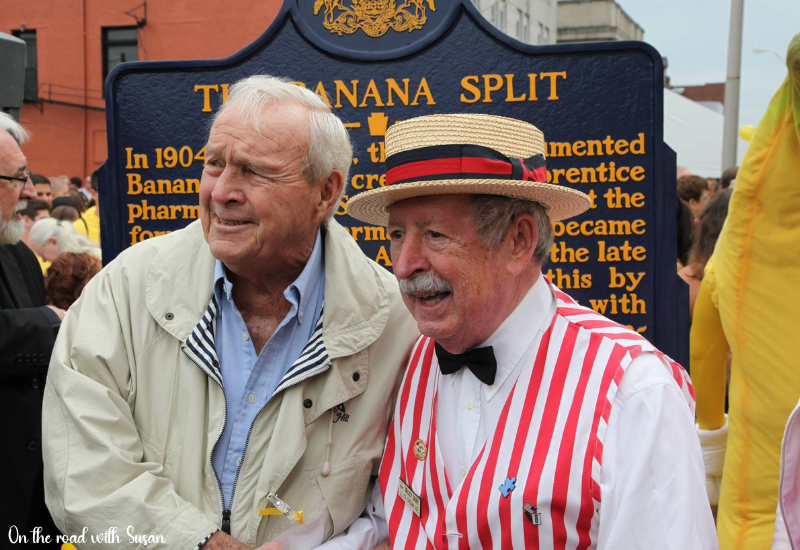
Other towns — most notably Wilmington, Ohio — have tried to stake their own claim over the years, but the documented evidence has consistently favored Latrobe. The town’s case was cemented for good in 2004, on the dessert’s 100th anniversary, when the National Association of Ice Cream Retailers formally recognized Latrobe as the birthplace of the banana split. Much of that recognition is owed to local businessman “Ice Cream Joe” Greubel, who spent years championing the town’s claim before a historical marker was finally placed at the old pharmacy site in 2013. Today a larger-than-life banana split statue stands nearby on Ligonier Street, and it’s become one of the most photographed spots in town.

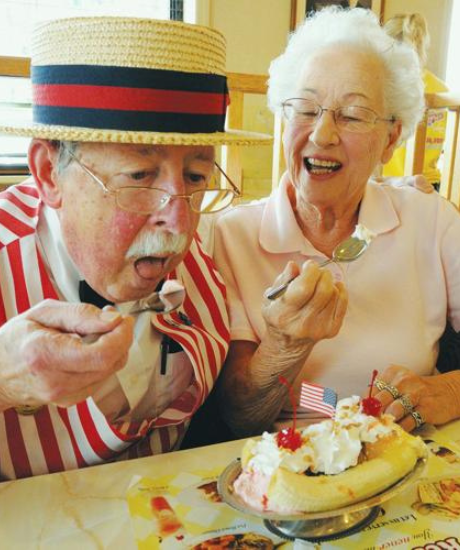
Joseph E. “Ice Cream Joe” Greubel and Nell Strickler, daughter in-law of banana split creator Dr. David Strickler, share one of the scrumptious desserts at the Valley Dairy restaurant in downtown Latrobe during the Great American Banana Split Celebration in August 2015.
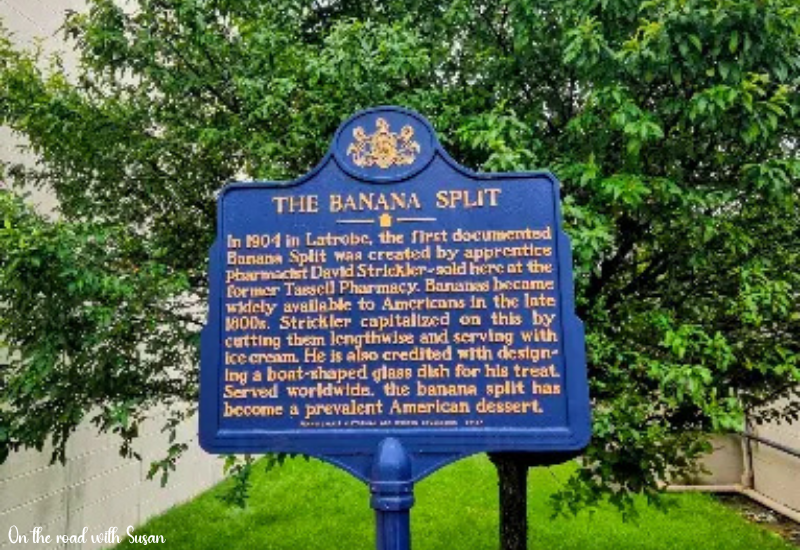
Other towns — most notably Wilmington, Ohio — have tried to stake their own claim over the years, but the documented evidence has consistently favored Latrobe. The town’s case was cemented for good in 2004, on the dessert’s 100th anniversary, when the National Association of Ice Cream Retailers formally recognized Latrobe as the birthplace of the banana split. Much of that recognition is owed to local businessman “Ice Cream Joe” Greubel, who spent years championing the town’s claim before a historical marker was finally placed at the old pharmacy site in 2013. Today a larger-than-life banana split statue stands nearby on Ligonier Street, and it’s become one of the most photographed spots in town.
Strickler stayed in Latrobe for the rest of his life, eventually buying the pharmacy himself. He passed away in 1971 at ninety years old, and he’s buried in Latrobe’s Unity Cemetery — not far from the treat that made his hometown famous.
More Than Just Ice Cream
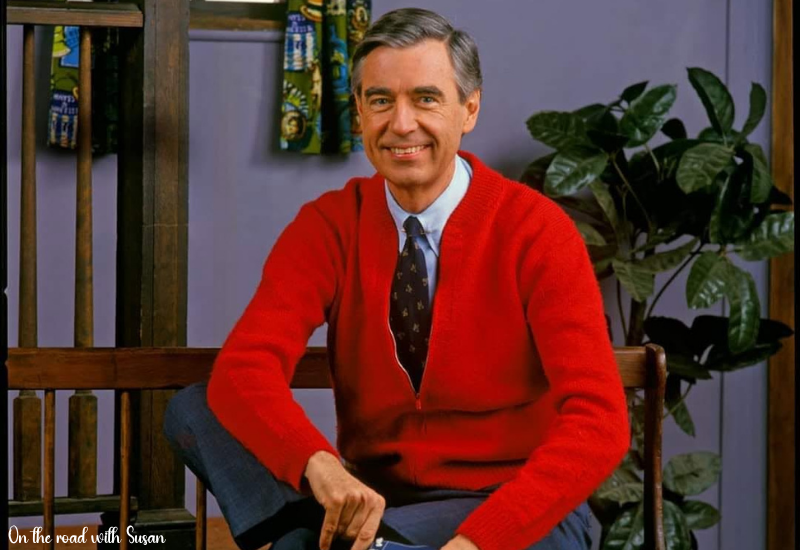
The banana split shares the spotlight with a few other homegrown legends. Fred Rogers was born in Latrobe in March 1928 and grew up on Main Street; the gentle, unhurried spirit of his hometown shaped the neighborhood he’d later build on television.
Arnold Palmer, born a year later in 1929, learned to play golf at Latrobe Country Club, which he would go on to own — the town’s regional airport now carries his name. And Rolling Rock beer, with its distinctive green bottles, was brewed in Latrobe from 1939 until production moved out of town in 2006, though the old brewery building still stands downtown.
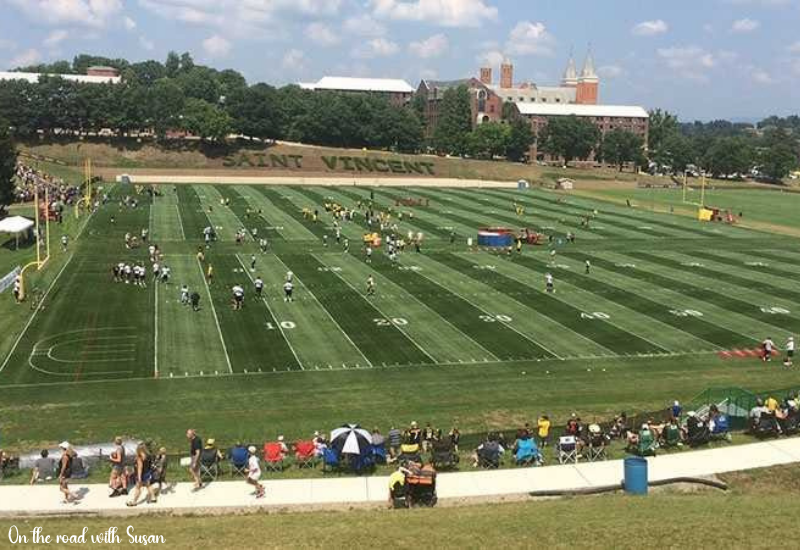
Add in the Pittsburgh Steelers’ longtime summer training camp at nearby Saint Vincent College, and it’s easy to see why a town this size punches so far above its weight in American cultural memory.
Watch: Our Visit to the Great American Banana Split Celebration

Plan Your Own Trip to Latrobe
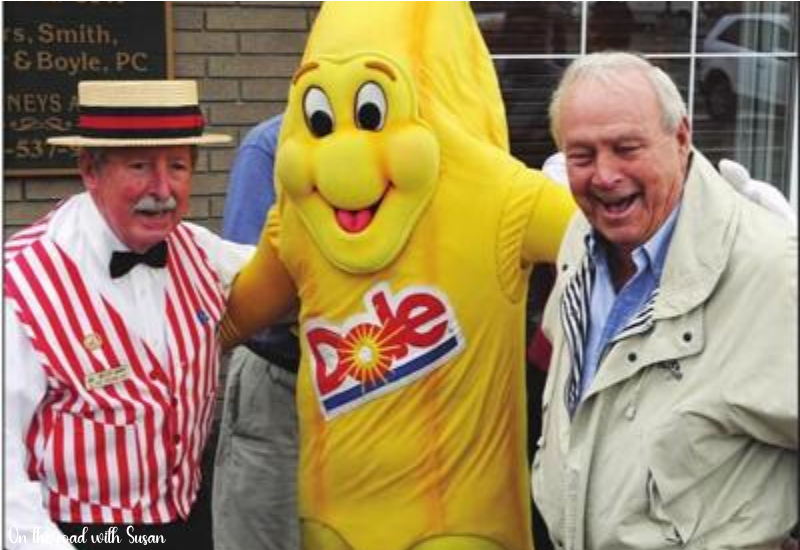
The Great American Banana Split Celebration takes over downtown Latrobe every year in late August, right around Strickler’s original creation date — think banana-eating contests, a banana split princess, and Valley Dairy serving up the only “official” splits at the festival. Even outside festival weekend, you can visit the historical marker and statue on Ligonier Street year-round, then walk a few blocks to James H. Rogers Memorial Park to pay a visit to the Fred Rogers statue.


Until next time!
Susan
My Final Thoughts
The Great American Banana Split Celebration in Latrobe
Latrobe is proof that you don’t need a big city to leave a big mark. A railroad engineer’s tribute to a friend turned into a town, and that town somehow gave America a children’s television legend, a golf icon, a regional beer institution, and — through nothing more than one soda jerk’s afternoon experiment — a dessert that’s still served in ice cream parlors coast to coast. Next time you’re passing through Westmoreland County, don’t just drive by. Pull over, take a photo with the statue, and order yourself a banana split. It’s the least you can do for the town that started it all.