


Florida’s Towering Beacon of History Subtitle:
From shipwrecks and Seminole raids to 203-step climbs and restored Fresnel lenses — how this Florida lighthouse became a symbol of endurance and maritime heritage.


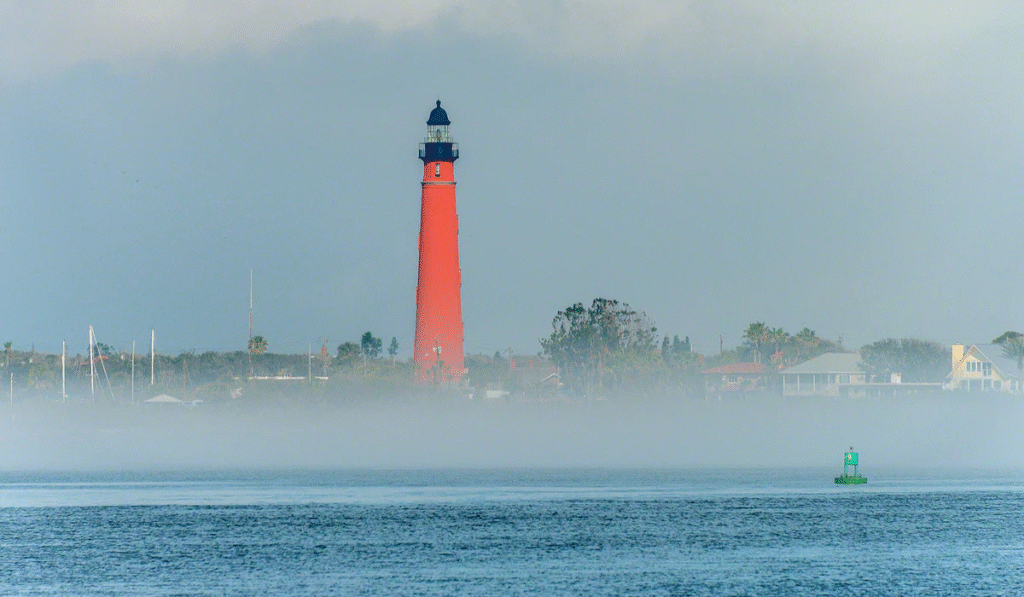
Florida has many lighthouses, but very few have the size, the story-depth, and the visual impact of the Ponce de León Inlet Lighthouse. As someone who hasn’t yet stood at its base or climbed its 203 steps, I’m already captivated by the idea of that orange-brick tower reaching skyward, its beam once sweeping the Atlantic, its Fresnel lens focusing hope for sailors lost at sea.
In this post I’ll explore its origins, its trials, the men and women who kept it lit, and how it lives on today as a preserved beacon of history.

A Rocky Beginning: Mosquito Inlet & the First Attempt (1835)
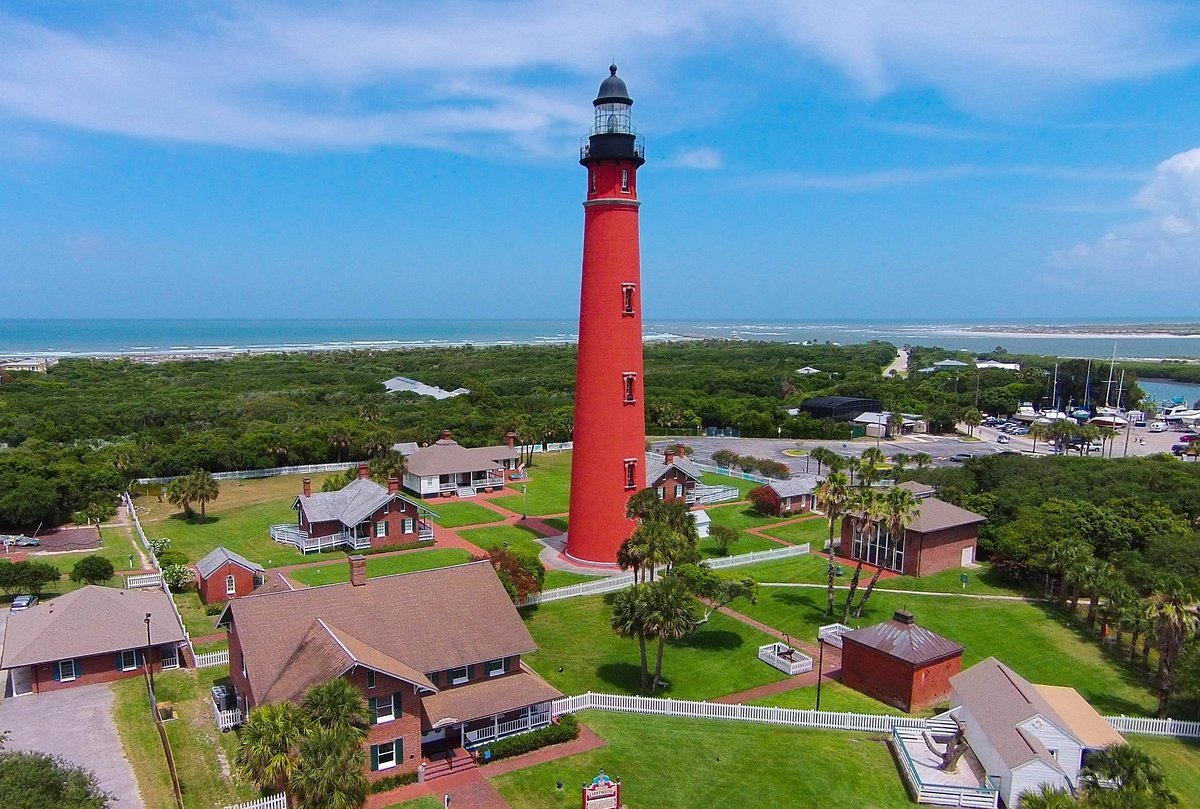
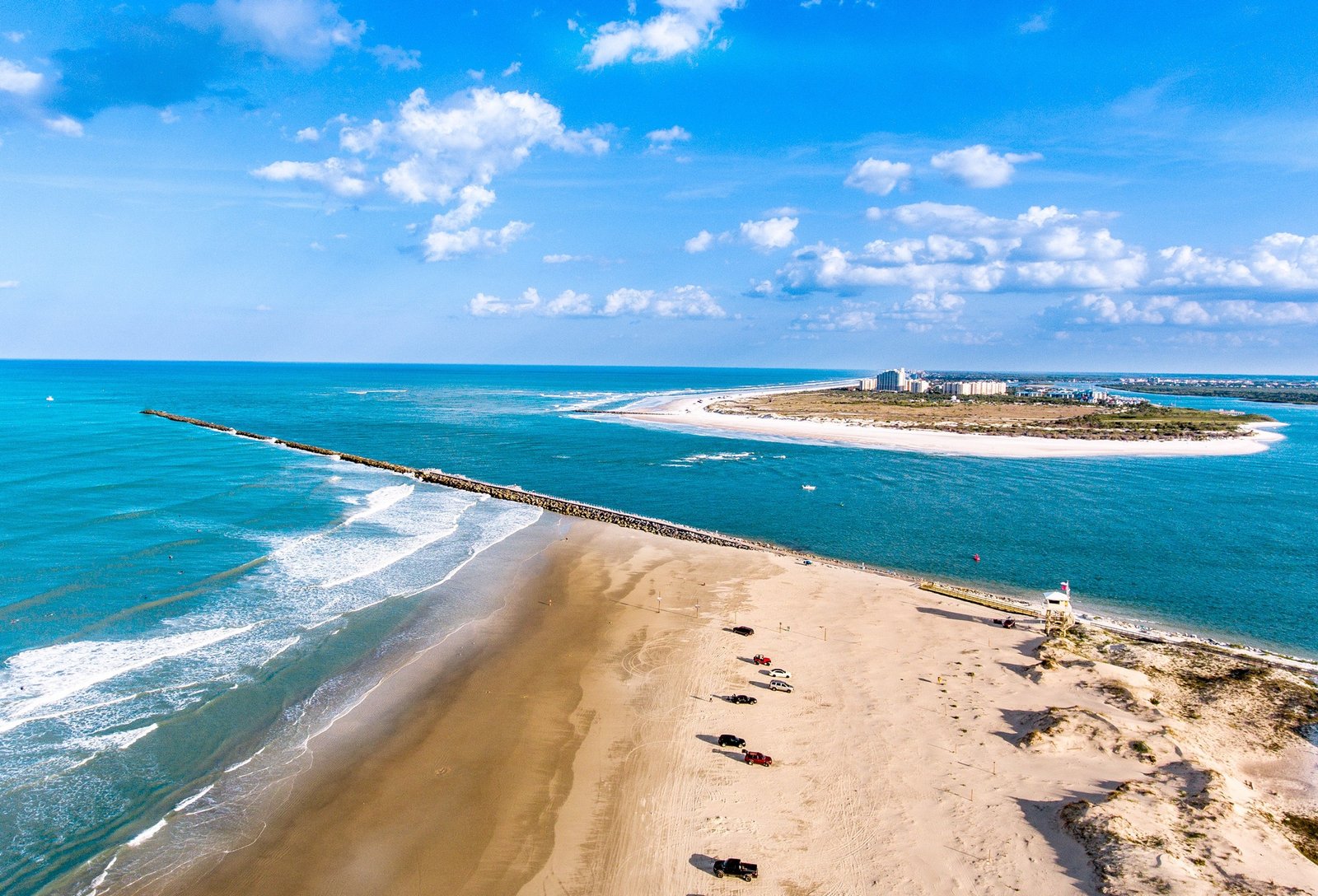
Long before the current tower was built, this stretch of Florida’s coast was known as Mosquito Inlet, a narrow opening between barrier islands that led into what is now the Halifax River. The first attempt at a lighthouse here dates back to February 1835: Congress funded the building of a 45-foot tower and outfitted it with parabolic reflectors, but it was never actually lit.

In October of that year a hurricane undercut the sandy base of the tower. Then in December, during the Second Seminole War, Seminole warriors attacked the station — smashing the lantern room glass and burning the wooden stairs. The structure was abandoned and collapsed by April 1836.
That early failure underscores how unforgiving this coast was — and still is.
Building the Tower We See Today (1883–1887)
The need for a serious lighthouse at the inlet never went away: shipwrecks kept happening, and maritime traffic was increasing. On March 21, 1883, ten acres of land were purchased for a new station. Construction began under Chief Engineer Orville E. Babcock, who tragically drowned in the inlet in 1884.

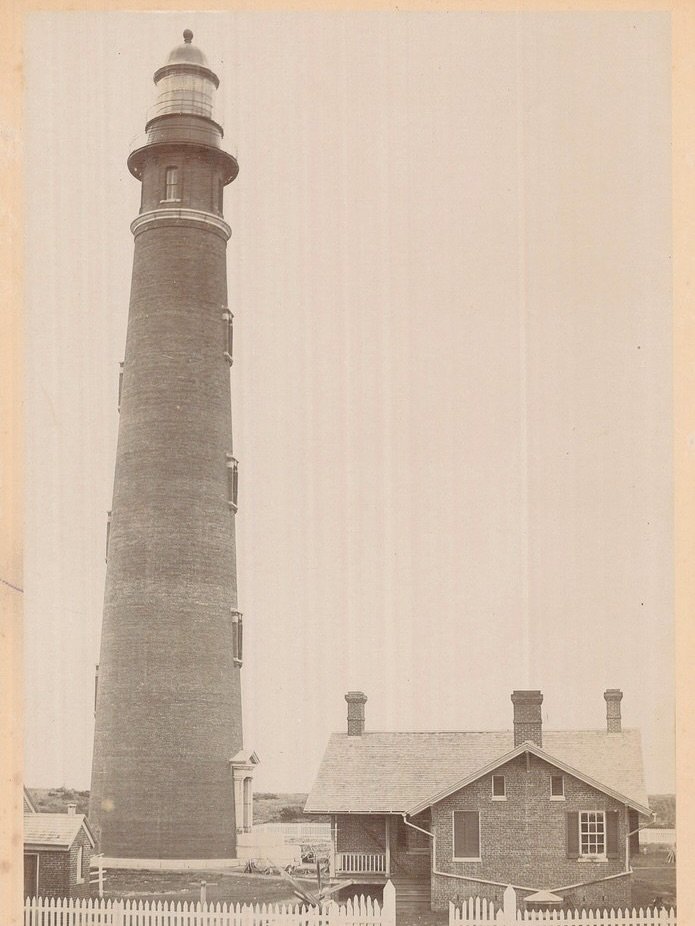
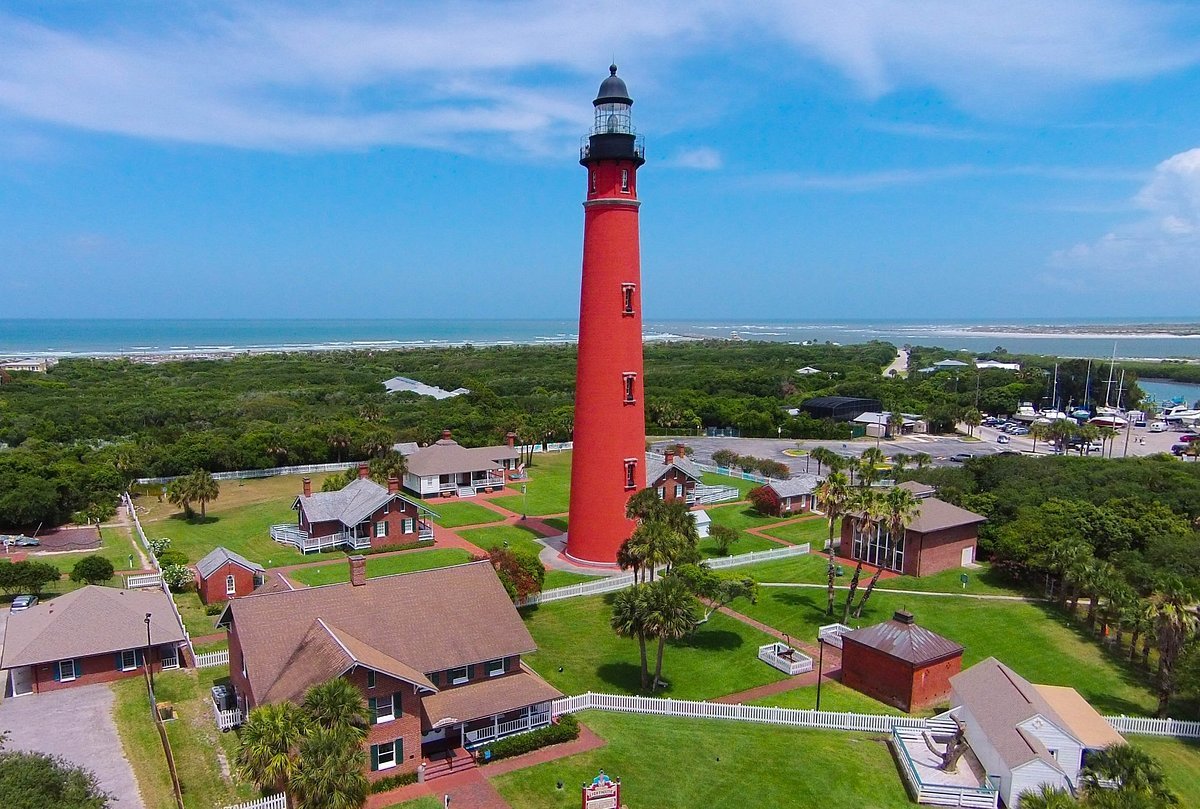
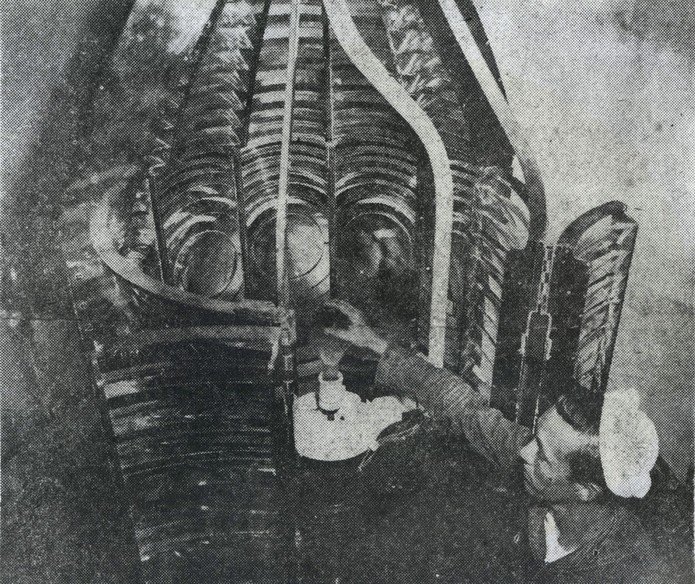
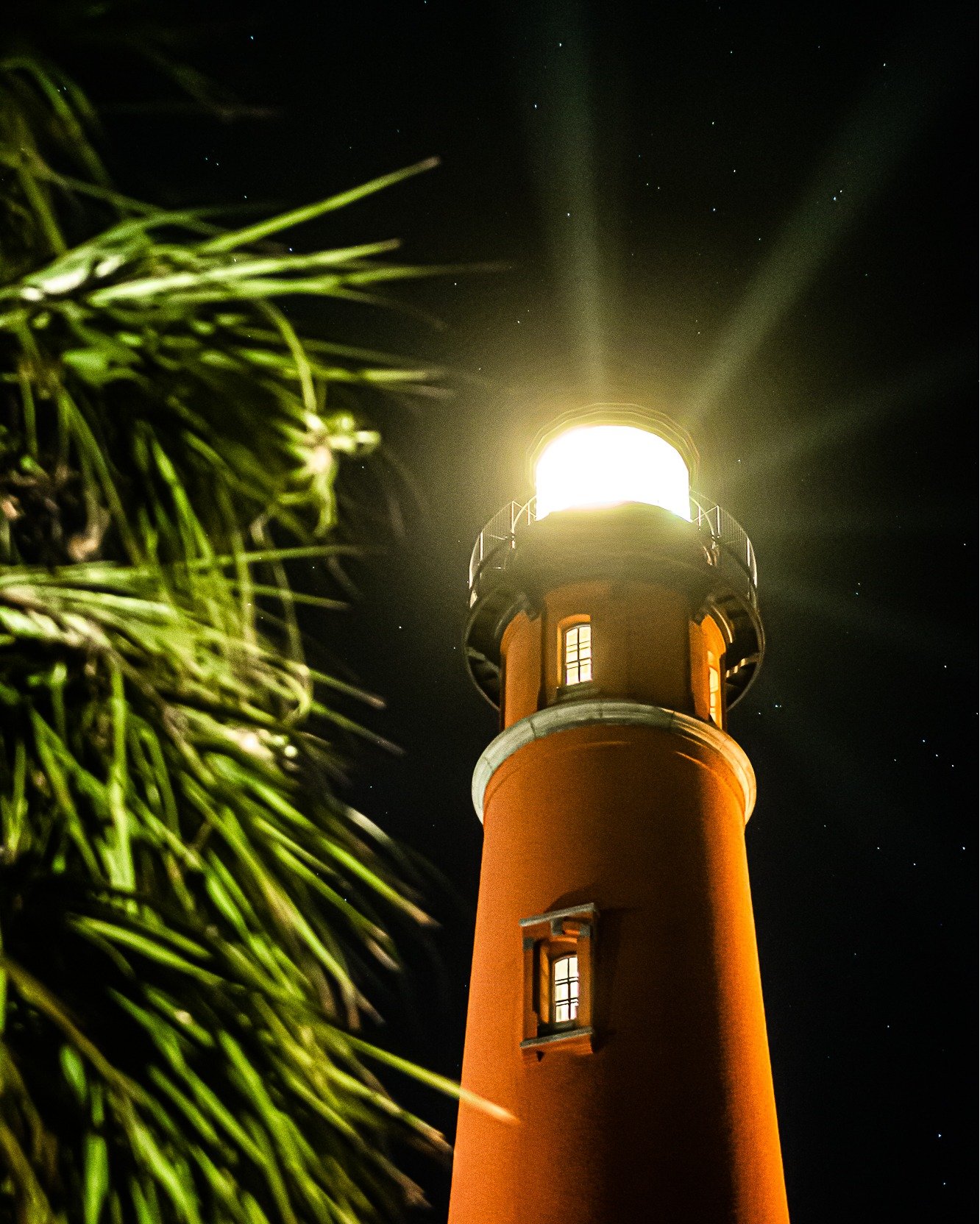
The design followed standard Light-House Board patterns, adapted for this site. On November 1, 1887 the new tower (now 175 ft tall) was lit by Keeper William Rowlinski, using a first-order fixed Fresnel lens made in Paris in 1867. The beam had a 20-mile range.
Originally the tower was red brick (later painted), it had 203 steps to the lantern room, and from the start it was meant to serve as a major beacon along Florida’s Atlantic coast.

Upgrading Through the Years: Lamps, Lenses & Technology
Over its lifetime, the lighthouse underwent significant upgrades as technology advanced:
-
In 1909, the kerosene lamp was replaced with an incandescent oil-vapor lamp.
-
In 1923 a generator was installed and electricity brought to the keeper’s quarters.
-
In 1933 the beacon was electrified with a 500-watt lamp, and the original first-order lens was replaced with a rotating third-order Fresnel lens.
These upgrades tell a story not just of one lighthouse, but of the evolution of maritime safety.

Changes in Name & Purpose
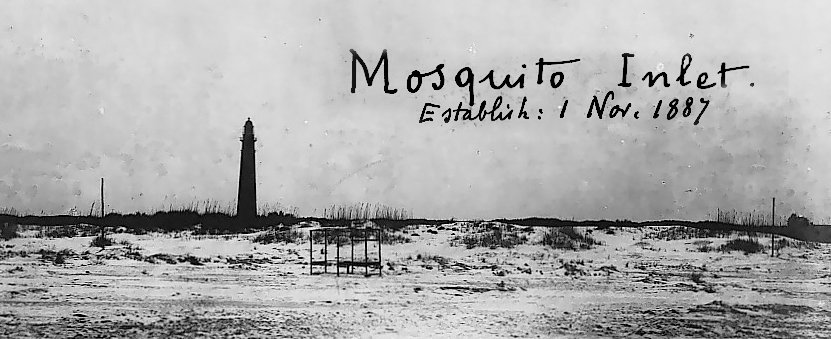
Originally the tower served “Mosquito Inlet Light Station.” In 1927 the name of the inlet and town was officially changed to “Ponce de León Inlet,” in part to promote tourism and improve the region’s image.


From 1939 the station was managed by the U.S. Coast Guard. In 1953 it was automated — keepers no longer needed to live on-site.

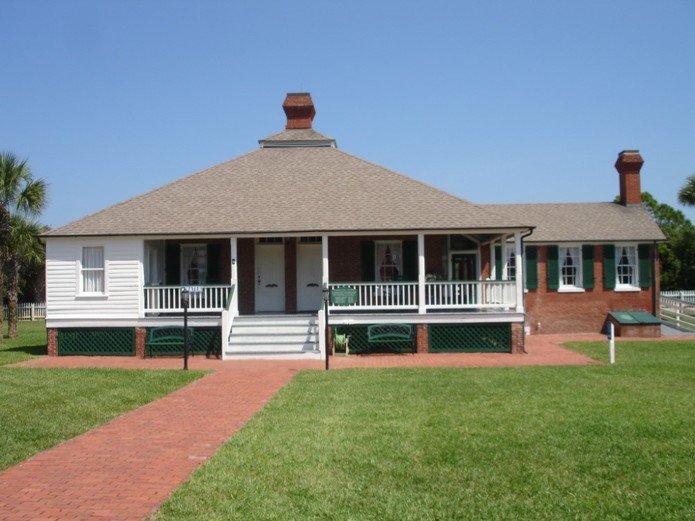
In 1970 the Coast Guard turned off the light station and moved the operational beacon across the inlet. The property was transferred to the town of Ponce Inlet in 1972, and the Ponce de León Inlet Lighthouse Preservation Association (PDLILPA) was formed to restore and manage the site.
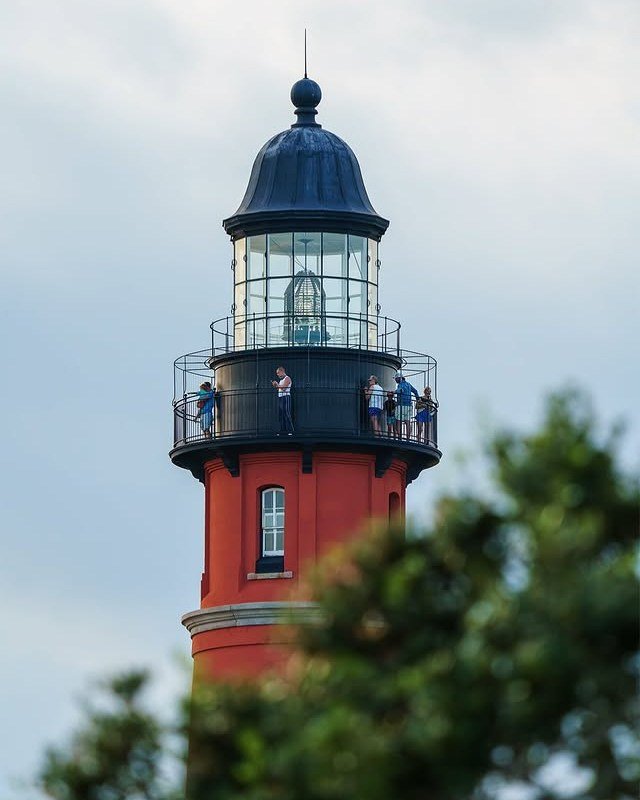
In 1998 the light station was designated a National Historic Landmark — one of only a few lighthouses in the US to earn that honor.

Keeper Life & Stories from the Tower
Life as a lighthouse keeper here wasn’t easy. Keepers and their families lived on site, climbed the tower, maintained the lamp, cleaned the lens, and weathered storms and isolation.
The first keeper of the new tower, William Rowlinski, was a Russian immigrant who served until 1893. He purchased a home nearby afterward

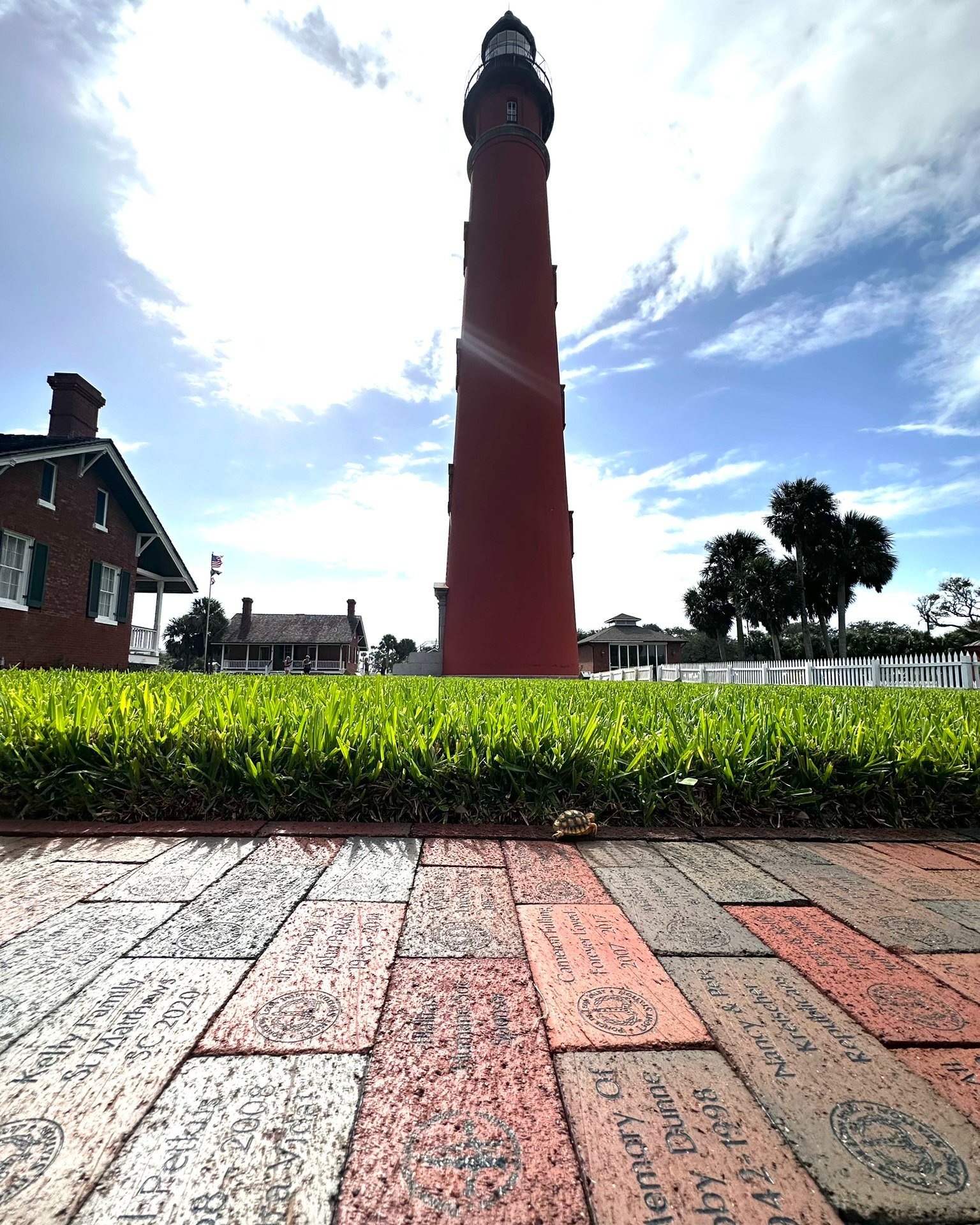
One dramatic account: In 1897 the writer Stephen Crane (author of The Red Badge of Courage) was shipwrecked off the coast aboard the SS Commodore. He and a few crewmen escaped in a small dinghy and navigated toward this lighthouse’s beam. Crane later used the experience in his short story “The Open Boat.”
These human stories make the tower more than just bricks and light — they make it a place that connected with lives and destinies.

The Tower Today: Climb, Museum & Maritime Legacy
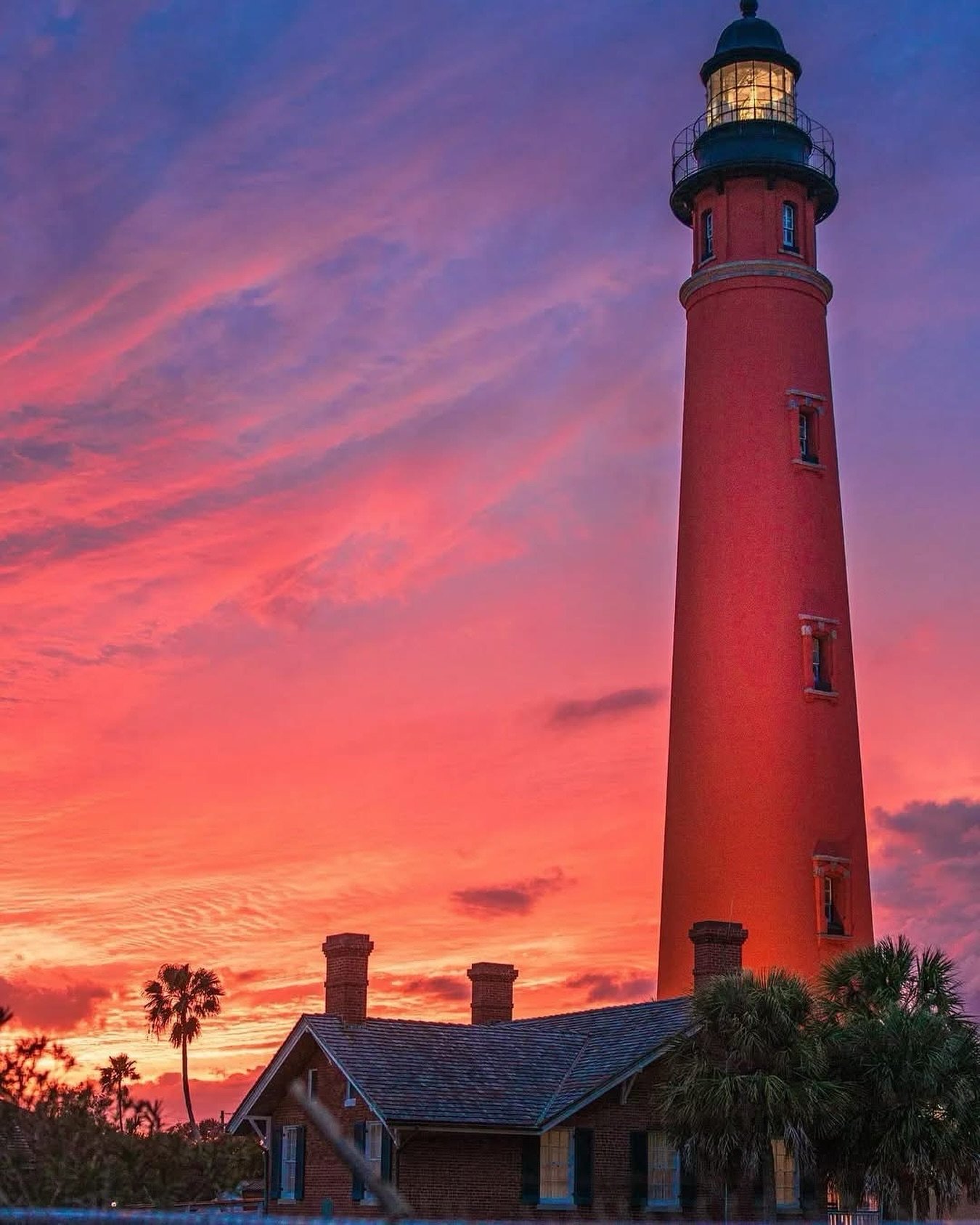
Today, visitors can climb that 203-step spiral and stand near the lantern room, looking out to where ocean meets sky. From the top you’ll see the Atlantic, the Halifax River, and the barrier islands that mark the inlet.
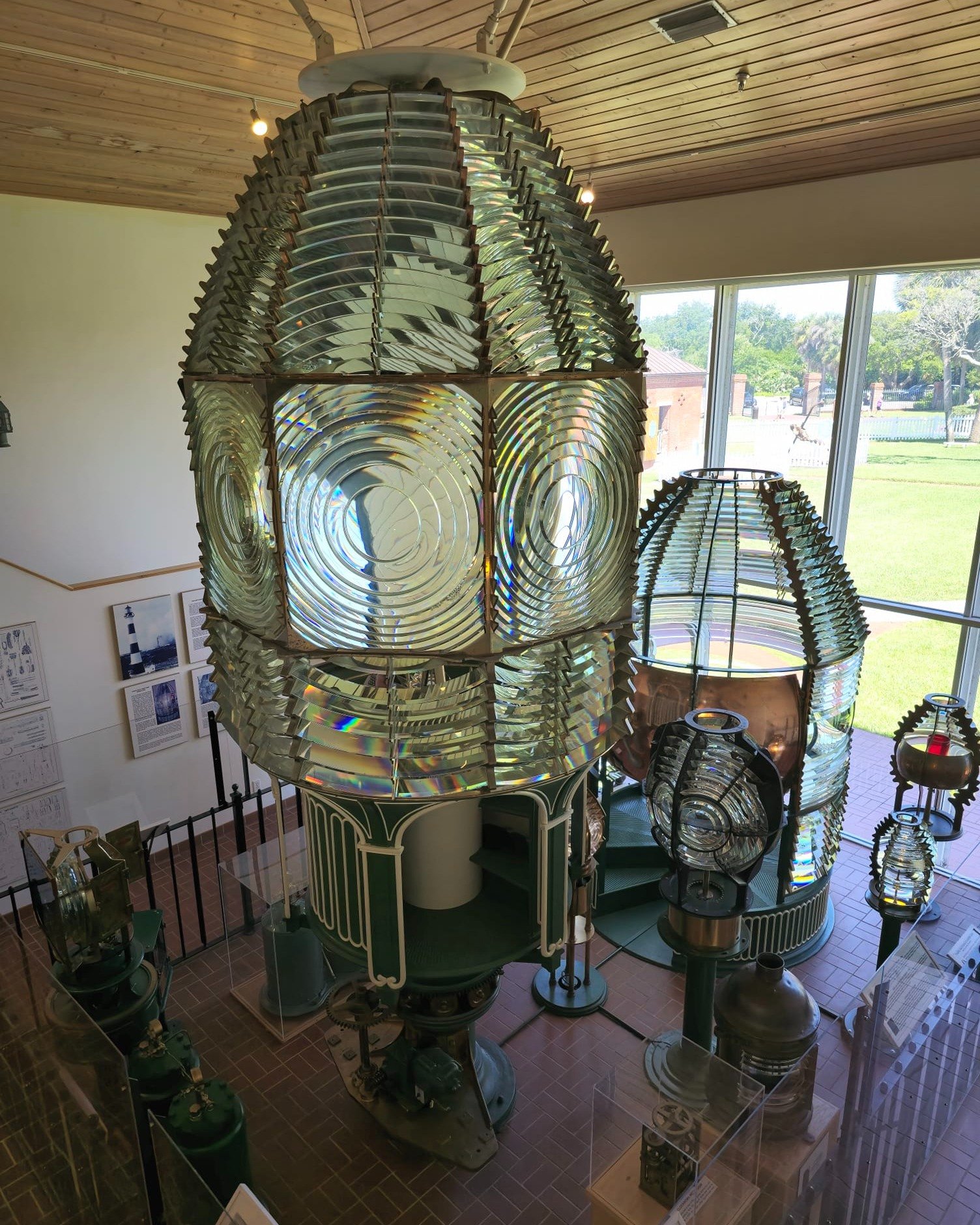
The site now houses the museum, keeper’s cottages, lens exhibits (including the original first-order lens and other restored Fresnel lenses) and offers insights into maritime history, shipwrecks, Cuban rafts, and lighthouse technology.
It remains an active aid to navigation — though maintained by the museum rather than the Coast Guard.

Places to Stay & Experience the Area
When I arrive, I’ll look for lodging that lets me immerse in the lighthouse atmosphere:
-
Stay in a small boutique inn or historic cottage in Ponce Inlet village, within walking distance of the tower.


-
Choose a beachfront vacation rental on the barrier island, and make your first morning walk the climb up the tower at first light.
-
Combine a stay in nearby Daytona Beach with the historic light station as your day trip highlight.
-
Consider a stay in the keeper’s house museum area (some tours or overnight programs may be available) or a historic hotel in the region to feel the past.
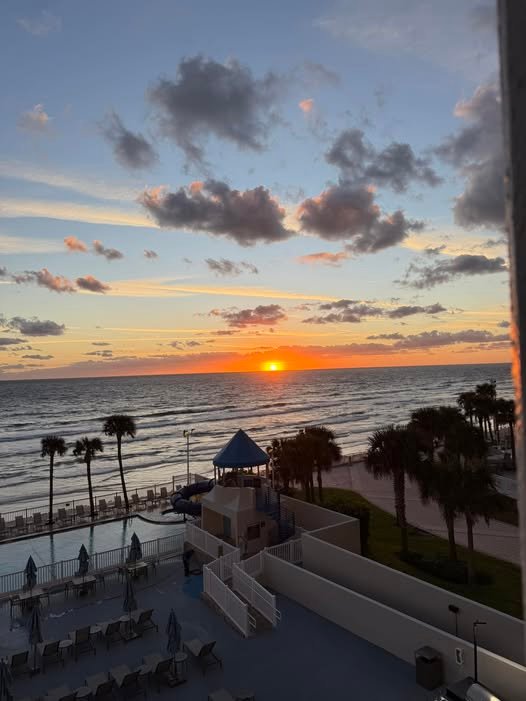
When you pair the climb with a sunset visit and good lodging nearby, the trip becomes more than a stop — it becomes a memory.

Why It’s Worth Your Next Trip
-
Height & view: At 175 ft, it’s one of the tallest in the U.S. and gives panoramic coastal vistas.
-
Historic depth: From Seminole war attacks to shipwreck rescues to automation and preservation — almost every era is represented.
-
Technology & museum: You’ll see historic Fresnel lenses, keeper-dwellings, and exhibits that teach as much as they inspire.
-
Location: Just south of Daytona, but tucked into a quieter inlet setting — gives you the best of Florida’s coast without full tourist mayhem.
-
Storytelling value: It’s perfect for travel writing, history lovers, photo hunts, and personal reflection.

Plan Your Visit
Location: 4931 S Peninsula Dr., Ponce Inlet, Florida 32127
Hours & Admission: Check the official site for current hours — the museum is open daily and the tower climb is available when weather and staffing permit.
Climb: 203 steps. Wear good shoes, bring water, and pause on the platform for the incredible view.
Best time to go: Early morning or late afternoon for softer light and fewer crowds. Consider off-peak months to enjoy more space.
Nearby: Ponce Inlet jetty, marine science center, park beaches, and nearby Daytona Beach for broader stay options.
For more information on the Ponce Lighthouse & Museum visit their website.

Until Next Time !
Susan
“A lighthouse doesn’t chase the storm away—it simply stays lit until the sky clears.”
My Final Thoughts
Even though I’ve yet to ascend those 203 steps, I already feel a pull. The idea of that red-brick tower, the stories of keepers long gone, the beam crossing dark seas, the transformation from Mosquito Inlet to a preserved history site — it all speaks to why I travel.
When I finally stand at the top and watch waves below, I’ll remember more than the view. I’ll remember the men and women who climbed those steps before me. I’ll remember the ships guided home. I’ll remember a lighthouse that refused to fade.
And I’ll know that this journey was worth planning.